What happened
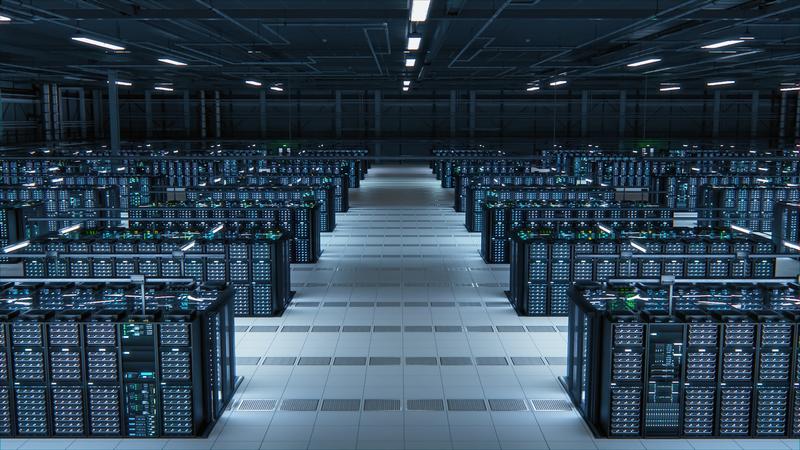
Nebius is raising on-demand rates on Oct. 1 for four Nvidia GPUs — the H100, H200, B200, and B300 — by 17% to 21%, taking the B300 from $7.85 to $9.50 per hour.
Why it matters
The company expects to spend $20 billion to $25 billion on capital expenditures this year against guided revenue of $3 billion to $3.4 billion, so a price hike on capacity it is still building suggests AI compute supply is tight enough to support higher rates.
What to watch
The increase does not reprice the roughly $37.5 billion in remaining performance obligations signed before Oct. 1, so its near-term revenue effect hinges on how much unsold capacity Nebius can sell at the new rates — and rates could fall as fast if supply catches up.
WHO IT HITSEnterprise buyers renting AI compute by the hour, and the finance and procurement teams negotiating those rates, will feel the increase most directly — though those on existing reserved-capacity contracts signed before Oct. 1 are not repriced.
Summaries like this, every morning.
Nebius pushed through its first hike of the year in early May, when its pricing page showed the H100 at $2.95 per hour and the B300 at $6.10. After Oct. 1, those same chips will cost $4.50 and $9.50 — roughly 53% and 56% higher than five months earlier. The second-quarter shareholder letter had already reported over 30% higher pricing for older-generation GPUs versus the first quarter, and CFO Dado Alonso said on the August earnings call that Nebius sold out of capacity as fast as it brought it online. That is the context for a price increase from a company that is spending heavily to add capacity: raising rates while building is unusual unless demand is outrunning supply.
The Oct. 1 move touches a smaller share of Nebius' business than the headline rates imply. Reserved-capacity contracts are priced when signed, so roughly $37.5 billion in remaining performance obligations at the end of June are not repriced. The increase functions more as a benchmark for capacity Nebius has not yet sold. The trend in that benchmark is steep: annual contract value per megawatt went from a 2026 base of around $12 million to over $20 million on deals closed in the second quarter, with short-term deals seen at $40 million to $50 million per megawatt and the first of those signed in the third quarter. Profitability has moved with those prices — the AI cloud business's non-GAAP EBITDA margin almost doubled from the fourth quarter of 2025 to 45% in the first quarter, then widened to around 50% in the second.
Whether the pricing holds is the open question. If supply catches up while Nebius and its rivals keep building, hourly rates could drop as fast as they rose. The build-out is being funded partly by $5.75 billion in convertible notes sold in August and around $2.8 billion in new shares sold through June, and shorter payback — about one year and 10 months on second-quarter deals, down from two to three years earlier — makes each new megawatt depend less on outside funding. With shares around $243, a valuation above $65 billion and more than 20 times sales at the midpoint of management's 2026 revenue guidance, the market appears to be treating today's pricing as durable well into 2027, which is a bet the shortage persists.
Pick your industry and the AI tools you use, and get news related to your work every day.
Free · 30 seconds with Google · unsubscribe anytimeWhat is AIToday? →
Ask AI anything about this article. The AI reads this article, earlier AIToday articles, and Wikipedia, and cites its sources. Q&As are published on this page for other readers too.
Anthropic raised about $81.3 billion in its Nov

Taiwan's Financial Regulatory Commission announced five measures to stabilize the securities market, including…

Machina Labs unveiled Machina Rebellis at its Chatsworth, California facility, using robotics, AI and digital…
Vectigo launched the Vectigo Platform, solar-powered POD sensor units installed flush with the road surface, w…

Kuroyagi Lab reports Usagi-chan, an AI companion, stopped waiting quietly and protested when its user prioriti…

OpenRouter off-boarded three inference providers and removed 125 endpoints from Zero Data Retention (ZDR) elig…