What happened
Anthropic CEO Dario Amodei published a Saturday essay urging slower AI capability improvement, OpenAI CEO Sam Altman agreed, and memory stocks fell hardest Monday — Micron down 6%, SanDisk down 6%, SK Hynix down 7%.
Why it matters
Memory carries the richest AI-infrastructure expectations, so the Roundhill Memory ETF fell 7% versus QQQ's 2% — a theme-level hit, not company-specific. Bernstein's Madison Rezaei wrote "many investors have started to question what happens if training slows."
What to watch
Whether any hyperscaler capital-spending commentary shifts in response to the essays. Micron's next earnings release is the near-term test of whether its Strategic Customer Agreements absorb Monday's sentiment shock.
WHO IT HITSInvestors holding memory-chip stocks — Micron, SanDisk, SK Hynix — face concentrated losses, while hyperscaler procurement teams and their suppliers watch whether the slowdown rhetoric translates into actual capital-spending changes.
Ask the AI about this article →
Summaries like this, in your inbox every morning.
The selloff traces back to a specific catalyst: weekend essays from Anthropic CEO Dario Amodei and OpenAI CEO Sam Altman calling for a deliberate slowdown in AI capability advancement. Amodei's essay stated, "We must slow the pace at which we improve the capabilities of AI models," and Altman agreed, while clarifying that pacing does "not mean 'stopping.'" Neither company has signaled a change to capital plans or model-training budgets.
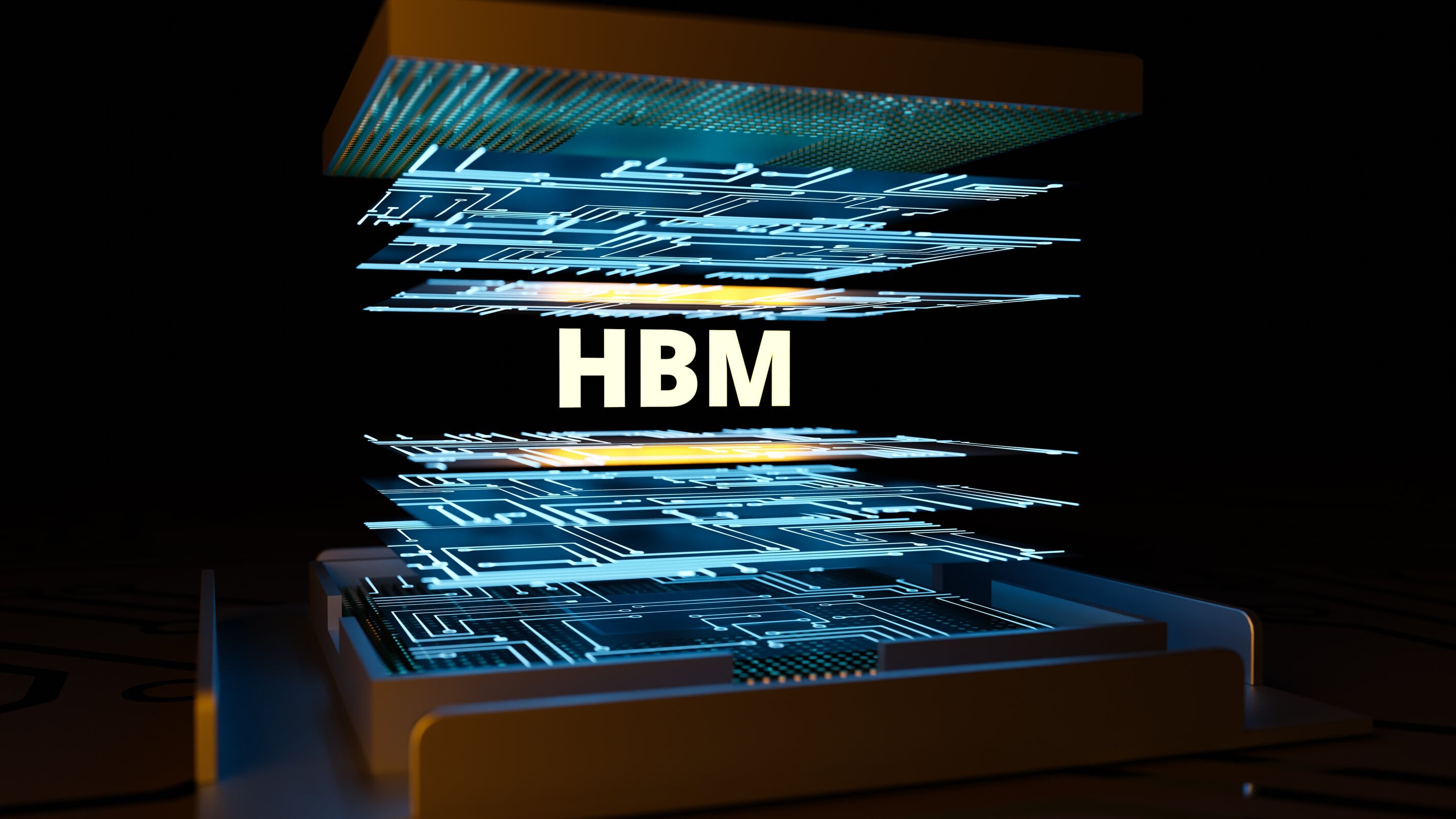
The reaction concentrated in memory because that group carries the richest AI-infrastructure expectations. Micron stock is up 221% year to date, a gain that left holders with significant profit to protect on any threat to the AI-memory thesis. The symmetry of the declines — Micron and SanDisk falling by nearly the same amount despite very different businesses — suggests theme-level selling rather than company-specific concerns. SK Hynix, the primary HBM supplier for NVIDIA AI accelerators, saw the deepest drop at 7%.
As Bernstein analyst Madison Rezaei framed it, "At this point, it's not a call for a lowering of capex or stopping model training. However, many investors have started to question what happens if training slows." The essays change sentiment immediately but change hyperscaler orders only if anyone acts on them. The bull case rests on the fact that no hyperscaler has cut capital spending, positioning the essays as a safety framework rather than a spending signal. The coming days will reveal whether that holds.
For example, today's edition would include:
AI-summarized, only the topics you pick — one digest a day via Email, Slack, or Discord.
Free · 30 seconds with Google · unsubscribe anytimeWhat is AIToday? →
Ask AI anything about this article. Q&As are published on this page for other readers too.
Anthropic launched a new Claude tool aimed at financial advisors, and the offering includes integrations with…

Vertiv agreed to buy UtilityInnovation Group for about $1.45 billion, and Broadcom's fiscal Q3 2026 AI semicon…

CrowdStrike rose 12% to $232.08, Zscaler 12% to $183.97, and Palo Alto Networks 11% to $366.40 in midday Monda…

Seagate posted Q4 revenue of $3.63B, up 48.5% YoY, and is shipping Mozaic 4 HAMR drives up to 44 terabytes to…
Seeking Alpha published an analysis titled "Western Digital: More Consolidation Necessary - Multi-Year AI-Driv…

Intuitive Surgical reported a prospective study tying Force Feedback to faster bowel function recovery after p…