What happened
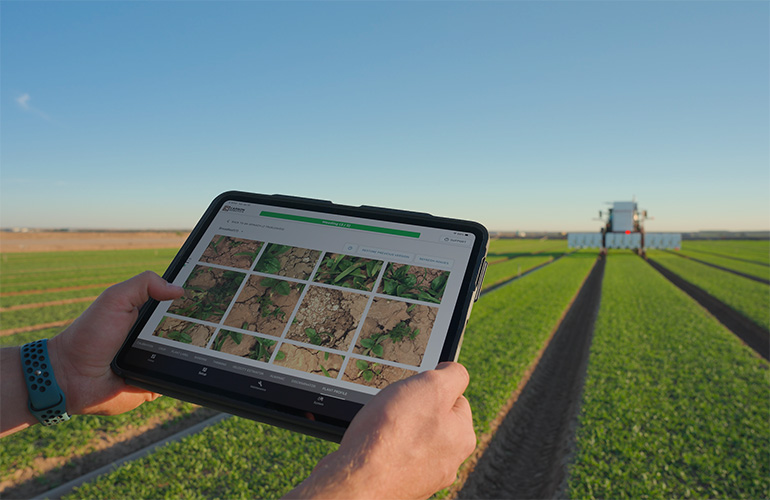
Carbon Robotics replaced its crop-specific AI vision models with a single "large plant model" trained on millions of images, letting farmers customize laser weeding via an iPad app by tagging a few plants as crop or weed.
Why it matters
This removes the need for time-consuming retraining when a new crop, weed, or geography appears, so the same global model can zap weeds in a carrot field in Arizona, then switch to lettuce or herbs on another farm with only minutes of configuration.
What to watch
The model was built with data-annotation partner iMerit, which labeled a million images (Carbon did about 2,000 itself). The company also released Carbon ATK, an autonomy kit that retrofits John Deere 6R, 8R, 8RX, 8RT (2019+) tractors for fully autonomous weeding missions.
Summaries like this, in your inbox every morning.
The shift from crop-specific models to a single foundation model marks a practical advance for agricultural AI. Rather than retraining for each new field or crop, the model learns from examples on the fly, which could reduce downtime during the growing season. Carbon Robotics built this capability with iMerit, a data annotation partner that labeled a million images—a task Carbon itself only managed about 2,000 images for before scaling. The iPad-based tagging interface lowers the technical barrier for farmers, who can now define weeds and crops without specialized ML knowledge.
Beyond weeding, Carbon Robotics is expanding into tractor automation with Carbon ATK, a retrofit kit for John Deere tractors. This suggests a broader ambition to automate multiple farming workflows, such as tillage, spraying, and harvesting, using the same autonomy platform. The implications for labor and precision agriculture could be significant, though the article does not provide performance data or adoption numbers. Overall, the news highlights a trend toward flexible, on-device AI that adapts to user feedback, which may become more common across industries.
Pick your industry and the AI tools you use, and get news related to your work every day.
Free · 30 seconds with Google · unsubscribe anytimeWhat is AIToday? →
Ask AI anything about this article. The AI reads this article, earlier AIToday articles, and Wikipedia, and cites its sources. Q&As are published on this page for other readers too.
Chunghwa Telecom president Rong-shy Lin said the shift from conversational AI to autonomous AI agents is resha…
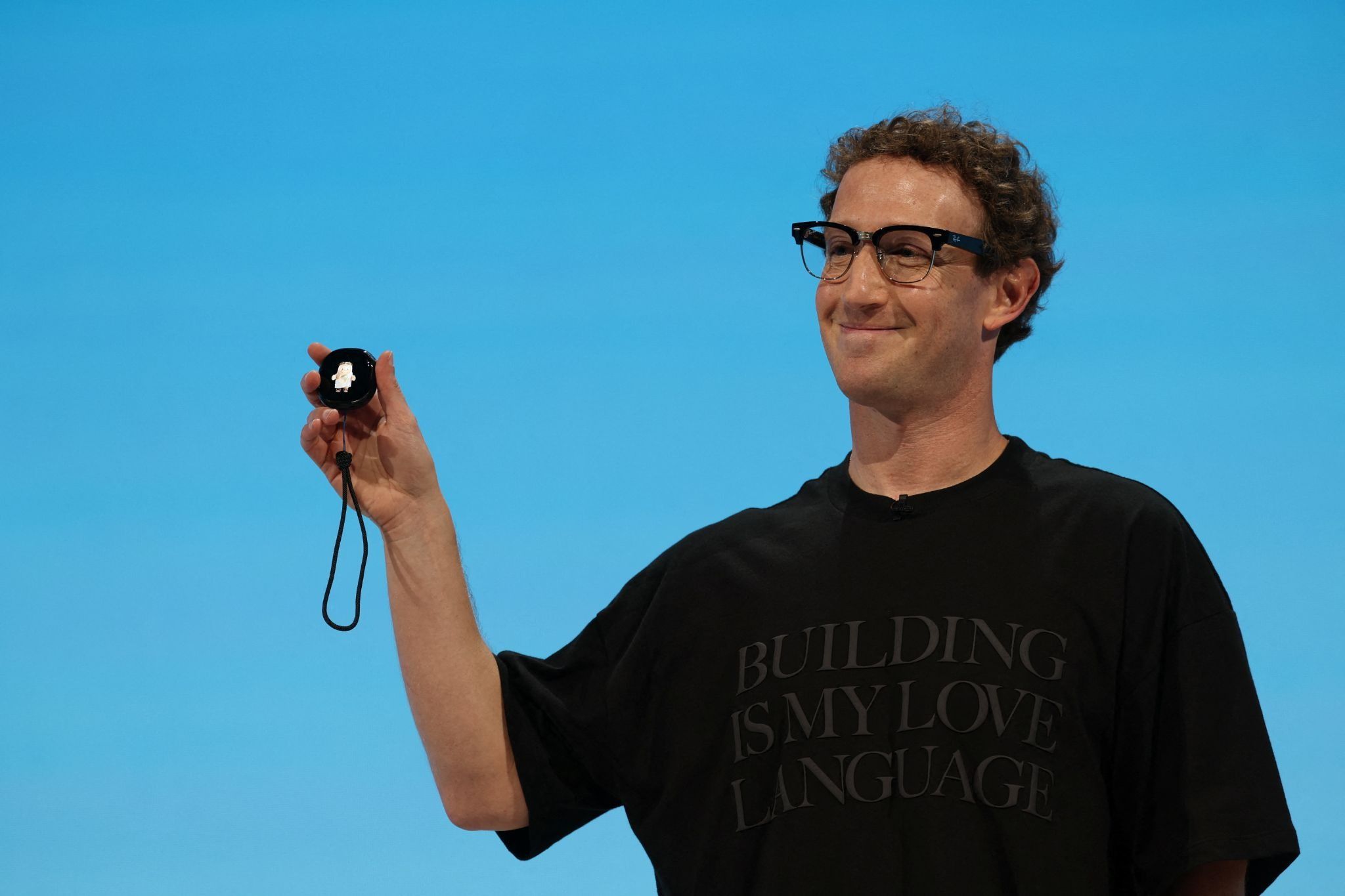
Apple and Meta said they would jointly release a new open-weight AI model designed to run on high-end Macs, ai…
A writer and entrepreneur opened his daily to-do list and found 156 items, and concluded that an AI assistant…

A Zenn contributor sorted AI use into three modes — AI as an assistant, AI running alongside people, and AI th…

A non-engineer operator says one person ships four smartphone apps on Google Play, three on the App Store, wit…
The walkthrough points the CLI at a local mock via the ANTHROPIC_BASE_URL environment variable

