What happened
OpenAI launched GPT-6.2 Astra and GPT-6.2 Sol. Astra scored 5.2 points higher than GPT-6 Astra on Agents' Last Exam at less than a third of the cost, and 5.5 points ahead of Claude Fable 5.2 at just 5% of the cost.
Why it matters
Astra delivers more accurate results on long, multistep professional tasks while costing far less per task, so work done within existing usage limits goes further, according to OpenAI.
WHO IT HITSBusinesses and developers running AI on paid ChatGPT plans or the API get stronger professional-task performance at lower cost per task, which may let teams complete more work without raising their AI budgets.
Summaries like this, every morning.
OpenAI is positioning GPT-6.2 Astra as its frontier model for demanding professional work and GPT-6.2 Sol as the efficient default for everyday tasks. The pitch rests less on raw capability alone than on cost per task: Astra sets a new high on Agents' Last Exam while costing less than a third of GPT-6 Astra, and on the Harvey legal benchmark it more than doubles Claude Fable 5.2's pass rate at about one-sixth the cost. Sol, meanwhile, comes within 0.5 points of Astra on Cognition's FrontierCode 2.0 at about one-fifth the cost, which helps explain why many OpenAI employees reportedly use it as their default.
The release also leans heavily on professional-output quality. OpenAI says Astra's slides, spreadsheets, and documents follow templates and field conventions more closely, with fewer generic takeaways, and it cites gains on its internal GDPval v2 benchmark of real long-horizon projects. Beyond text, Astra's computer-use gains extend to CAD, simulation, and 3D design, where it ranked first on Artificial Analysis's AA-3D with 1,318 Elo, ahead of Claude Fable 5.2 at 1,271.
On safety, OpenAI says both models meet the Critical threshold for cybersecurity and the High threshold for biological and chemical capabilities under its Preparedness Framework, and that Astra is its first externally released model to meet the High threshold for AI Self-improvement. It is launching with tighter safeguards for higher-risk cybersecurity assistance, which it notes also restricts some legitimate vulnerability research, and says it will work to bring the 6.2 models to its Daybreak program for approved defenders.
Pick your industry and the AI tools you use, and get news related to your work every day.
Free · 30 seconds with Google · unsubscribe anytimeWhat is AIToday? →
Ask AI anything about this article. The AI reads this article, earlier AIToday articles, and Wikipedia, and cites its sources. Q&As are published on this page for other readers too.
Microsoft introduced Copilot Workspaces, a collaborative space in its Frontier early-access program where Word…
Earlier in November, Meta chief AI officer Alexandr Wang shared an AI-generated clip on Instagram promoting Mu…
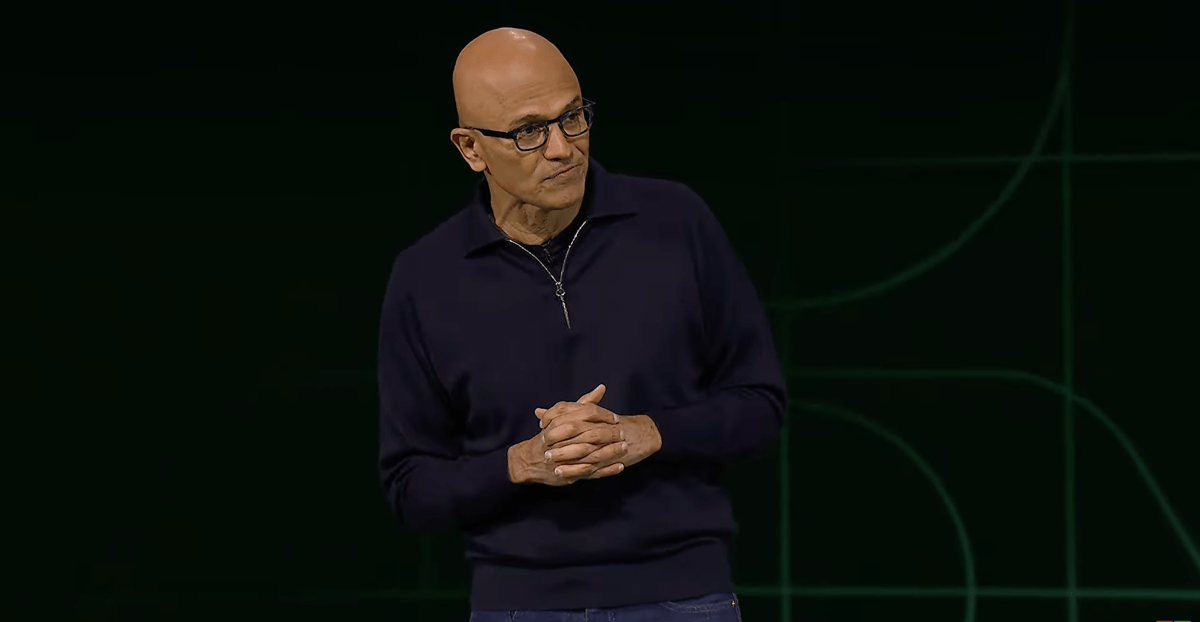
At a roundtable after his Microsoft Ignite keynote at San Francisco's Chase Center, Satya Nadella said he is "…
On Tuesday's earnings call, interim CEO Colette Kress said Nvidia remains committed to open source AI, citing…
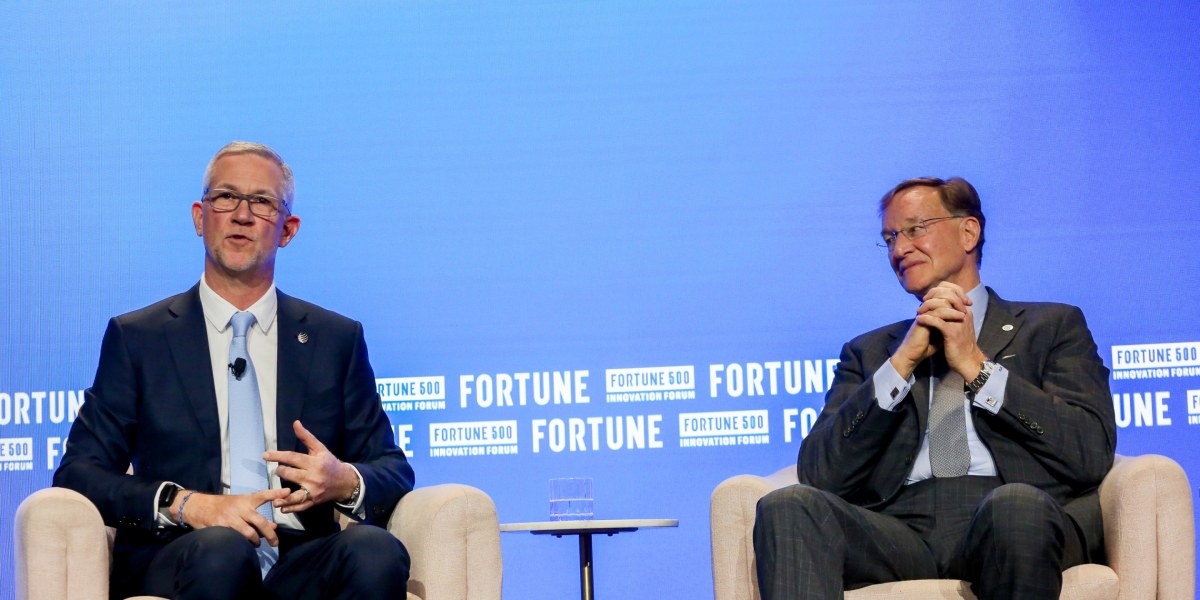
AT&T COO Jeff McElfresh said agentic AI is driving a fundamental shift in bandwidth direction
Microsoft unveiled new AI models for coding and cybersecurity, taking on Anthropic and OpenAI