What happened
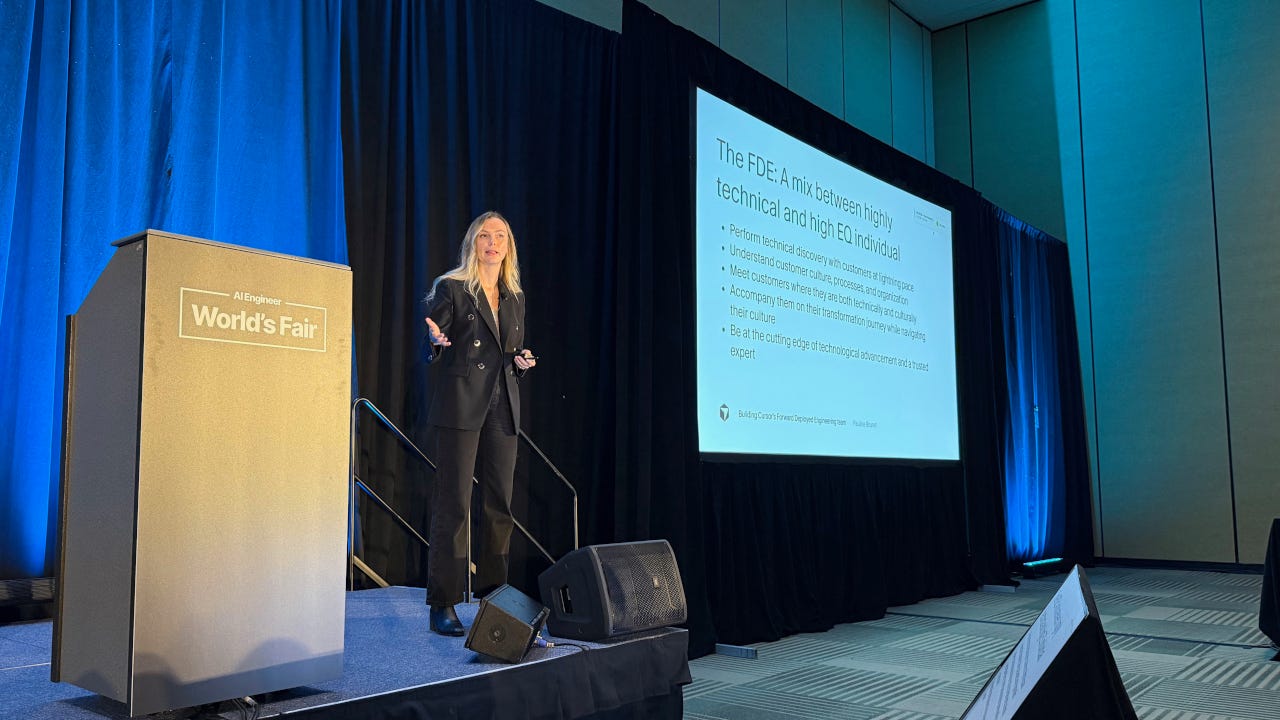
Cursor, an AI coding platform, is scaling its forward-deployed engineering team with a goal to grow it tenfold by the end of December. These engineers work directly with enterprise customers to implement AI agents across the full software development lifecycle—from planning and design through code writing, testing, review, deployment, and maintenance.
Why it matters
Most enterprises today have only 10–20% of staff actively using AI agents for individual tasks; the next phase requires coordinated agent use across teams and workflows. Cursor's forward-deployed engineers help organizations move beyond piecemeal adoption to what the company calls an 'AI software factory'—automating entire business processes consistently. This matters for enterprises in financial services, telecommunications, semiconductors, and other sectors seeking to scale AI use beyond early adopters.
What to watch
Cursor hires software engineers with at least five years of experience and prior customer-facing work; the team includes people from companies including Spotify, Rippling, and Palantir. These deployments feed back into Cursor's product roadmap, so the real-world use cases the FDE team uncovers shape what the platform builds next.
Summaries like this, in your inbox every morning.
Pick your industry and the AI tools you use, and get news related to your work every day.
Free · 30 seconds with Google · unsubscribe anytimeWhat is AIToday? →
Ask AI anything about this article. The AI reads this article, earlier AIToday articles, and Wikipedia, and cites its sources. Q&As are published on this page for other readers too.
A non-engineer operator says one person ships four smartphone apps on Google Play, three on the App Store, wit…
The walkthrough points the CLI at a local mock via the ANTHROPIC_BASE_URL environment variable
A Zenn guide explains systems to install before letting AI agents, bots or scheduled jobs post, send, publish…
A developer released agent-guardrails, a one-script Python standard-library plugin that guards Bash, Write, Ed…
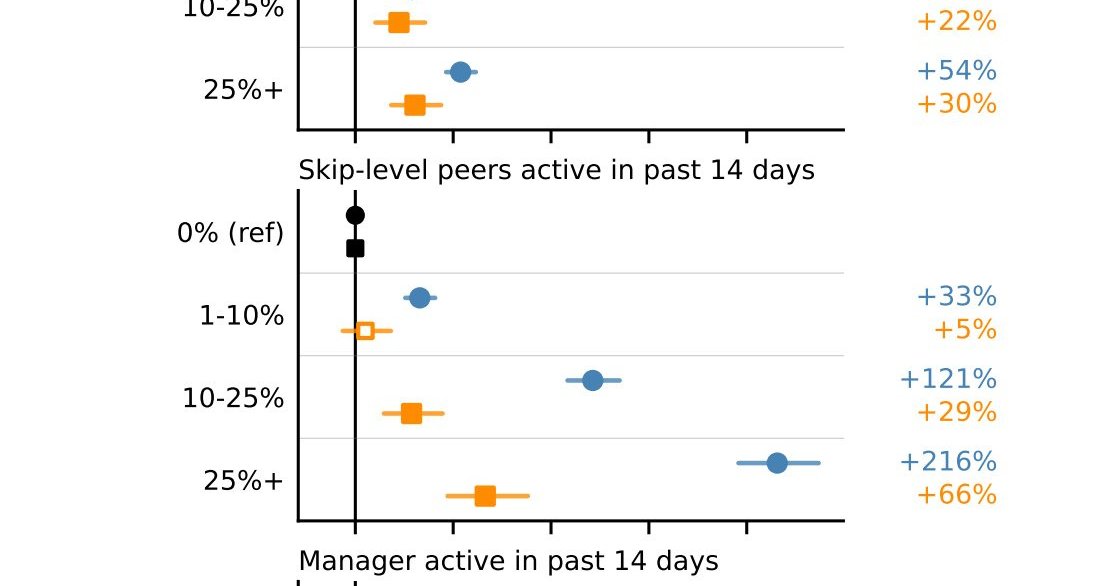
Researchers at Microsoft published a paper titled "Adoption and Impact of Command-Line AI Coding Agents: A Stu…
Meta released open weights for Muse Spark Open, an 816B-parameter model built for coding and long-running agen…