What happened
In Texas, Florida, Pennsylvania and other states, candidates are distancing themselves from data centers and some back moratoriums, as Leading the Future spent $45 million and Public First Action raised $80 million.
Why it matters
Data centers have moved from a local zoning fight to a campaign-defining issue, and candidates' stances could shape where and how new facilities get built, according to the races described.
Summaries like this, every morning.
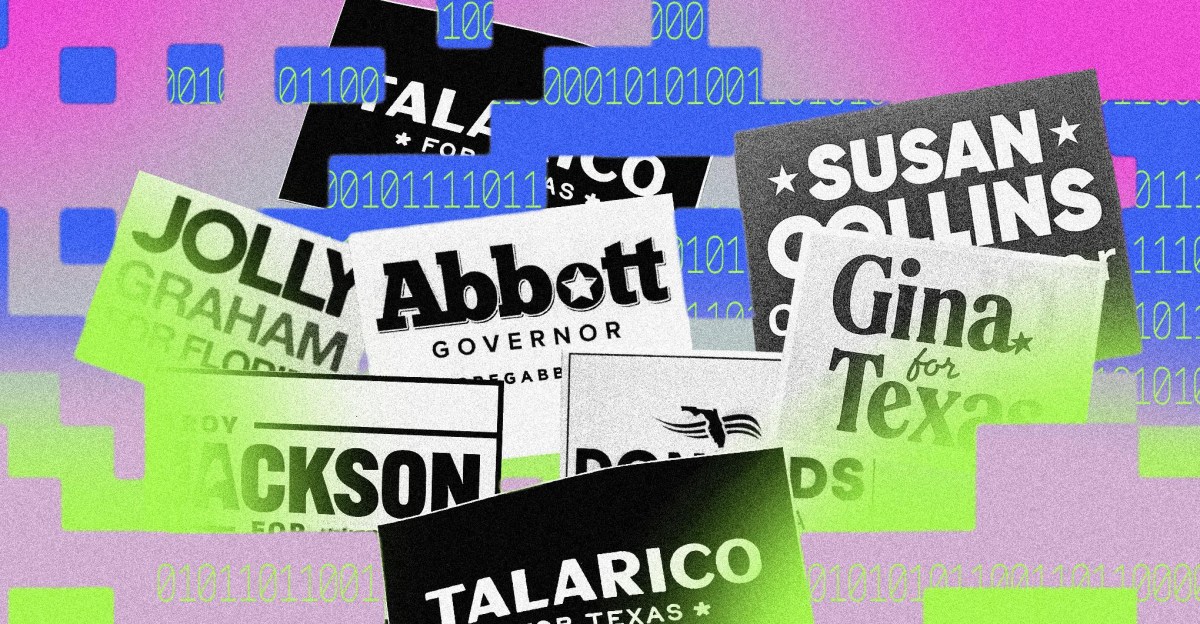
The data center backlash is not confined to one party or one region. In Texas, the state with the second-highest number of planned data center projects after Virginia, Democratic and Republican candidates alike are trying to look tough on the issue, though they emphasize different messages. James Talarico's plan focuses on environmental impact and an "AI Dividend" funded by a tax on AI-attributable profits, while Ken Paxton's plan centers on keeping Chinese technology out of US data centers. Both want data centers to bear their own energy infrastructure costs and to end certain tax exemptions.
What stands out is how quickly candidates have shifted. In Pennsylvania, Governor Josh Shapiro proudly announced a $20 billion Amazon investment last year but has since signed an executive order prohibiting nondisclosure agreements for data center developers and taken AI data center proposals off the fast track. His Republican challenger, Stacy Garrity, once called rural Pennsylvania "perfect places to put data centers" but now supports a pause of up to three years. Similar reversals appear in Florida, where Byron Donalds has tried to assure voters he would protect them from higher energy costs, and in Wisconsin, where both gubernatorial candidates have backed away from previous support.
The money flowing into these races suggests both parties see data centers as a mobilizing issue. Leading the Future and Public First Action have funded Democratic and Republican-aligned groups, while Tomorrow Together launched $4 million in ads for battleground House races with messages about data center development and AI safety. A leaked NRSC memo warned that data centers are "the anchor hanging around Husted's neck" in Ohio and that a loss there could make politicians elsewhere avoid the issue entirely.
Pick your industry and the AI tools you use, and get news related to your work every day.
Free · 30 seconds with Google · unsubscribe anytimeWhat is AIToday? →
Ask AI anything about this article. The AI reads this article, earlier AIToday articles, and Wikipedia, and cites its sources. Q&As are published on this page for other readers too.
Regal Voice Inc. launched Goal Oriented Agents, which run an actor model that replies right away and a directo…
Oracle signed deals to bring Google's Tensor Processing Units, Cerebras chips, and SambaNova's SN50 processor…
Nvidia's data center revenue hit $89 billion in its FY2027 Q2, growing 117% year over year, while AMD's Q2 dat…
Zhang Yiming topped the Hurun list with $100 billion, up 43%, and Hurun's Rupert Hoogewerf said 160 listers —…

A US SEC filing dated Oct 26, 2026 shows Anthropic posted about $16.3 billion in first-half 2026 revenue, incl…

Branding Works added a feature to its LLMO measurement tool that lists, per measured question, the search term…