
What happened
McKinsey's 2026 State of AI survey of 1,719 professionals found that 37% of respondents attribute at least some EBIT impact to AI, about the same as last year. Only 6% qualify as AI high performers, attributing at least 5% of EBIT to AI and calling its impact significant.
Why it matters
Despite flat earnings impact, AI investment is rising—40% of respondents at firms with over $1 billion revenue are scaling AI agents, up from 27% last year. Nearly a third report building software in-house with agentic coding tools instead of buying products. Yet 20% say AI operating costs constrain use, and job-cut expectations have grown to 39% from 32% in 2025.
What to watch
McKinsey says conviction in AI is growing faster than financial returns, with more firms expecting AI to reshape their business over the next three years. Coauthor Michael Chui said some ROI is being achieved and more is expected over time, but it takes organizational change, not just plugging in tools.
Summaries like this, in your inbox every morning.
McKinsey's survey, covering 1,719 professionals, paints a picture of an industry investing heavily in AI without yet seeing broad financial returns. The 37% reporting any EBIT impact, flat from last year, and the mere 6% high performers, underline a gap between belief and realized outcomes. Yet agentic AI use is expanding, and companies are shifting from buying to building with coding agents, suggesting a strategic commitment that may not be easily reversed.
The rising expectations of job cuts, up to 39%, clash with previous overpredictions, and individual productivity gains have not translated into organizational profits. Coauthor Michael Chui's comment that 'some ROI is already being achieved' and that it is 'a journey, not a destination' frames the current state as early, with returns potentially requiring organizational change. The report does not specify when organization-wide benefits may materialize, leaving AI ROI, in the article's view, perpetually a few years away.
Pick your industry and the AI tools you use, and get news related to your work every day.
Free · 30 seconds with Google · unsubscribe anytimeWhat is AIToday? →
Ask AI anything about this article. The AI reads this article, earlier AIToday articles, and Wikipedia, and cites its sources. Q&As are published on this page for other readers too.
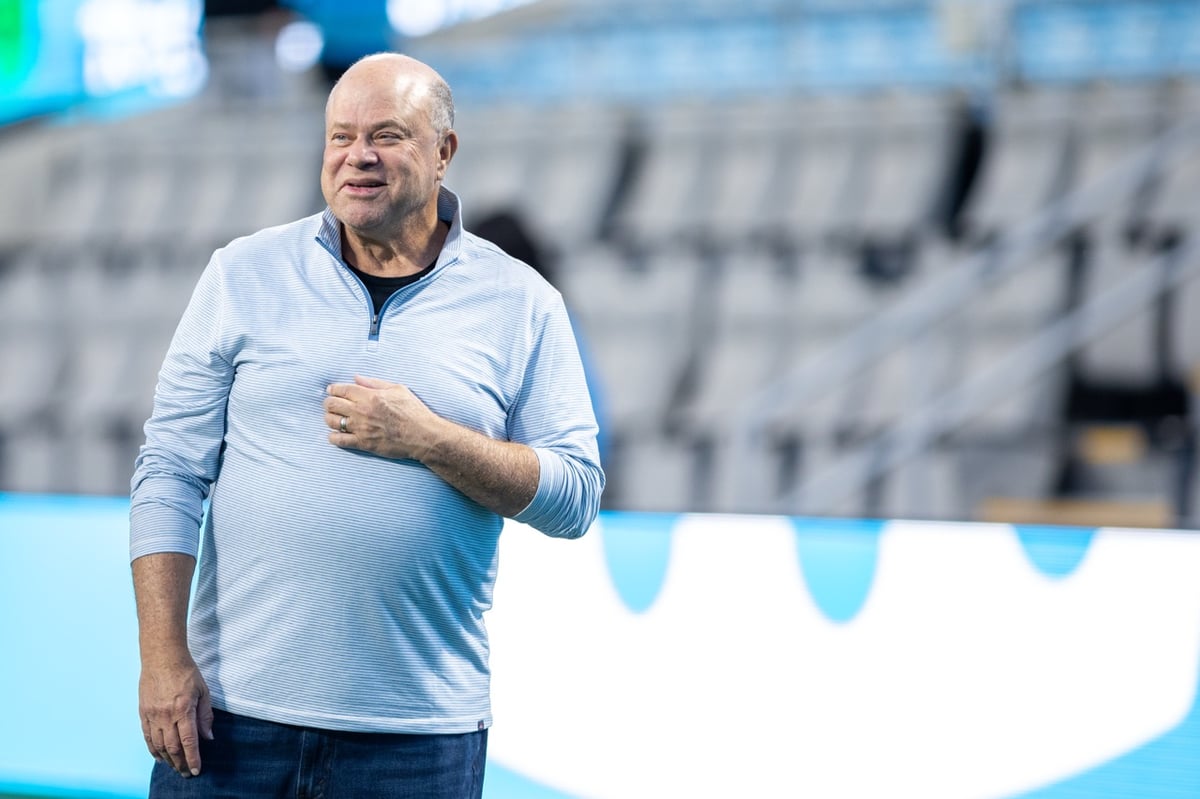
In Q2, billionaires or their funds sold six 'Magnificent Seven' AI stocks
Nvidia was rising early Friday, even as the wider chip sector kept falling, Barron's reported

ElevenLabs completed a $300 million employee tender at a $22 billion valuation, and co-founder Mati Staniszews…

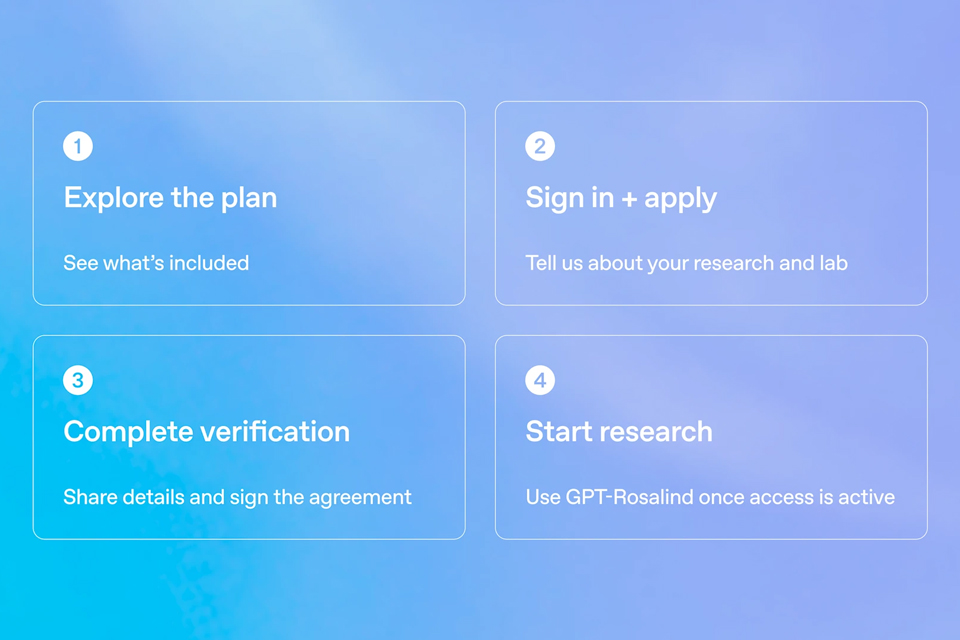
On October 15, OpenAI announced the Rosalind Academic Plan, giving approved US university labs free access to…
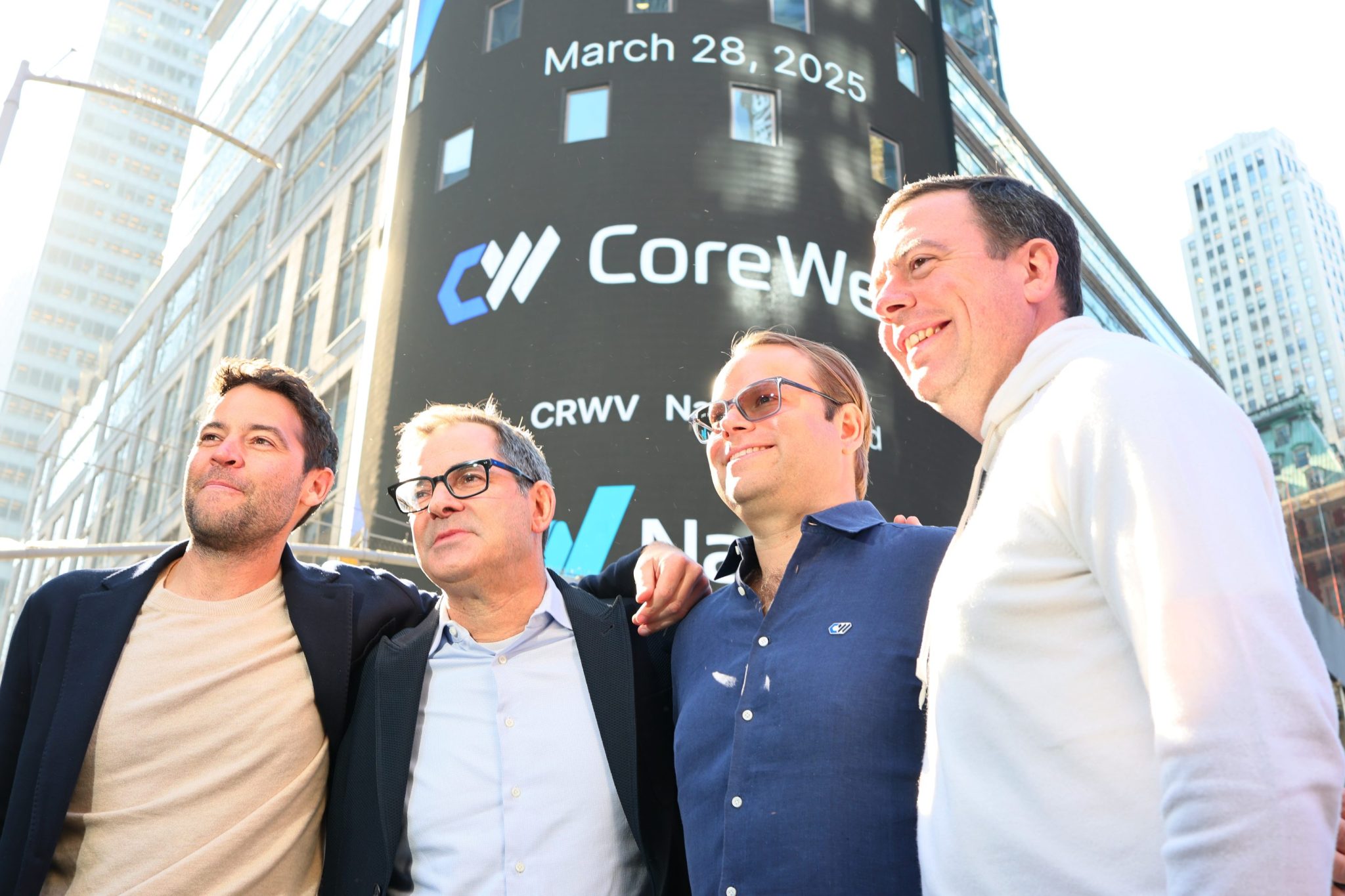
Neostellar Capital principal Evan Schlossman said CoreWeave's $103.7 billion in remaining performance obligati…
Supermicro Computer appointed Mark Long as chief financial officer, bringing an experienced technology finance…