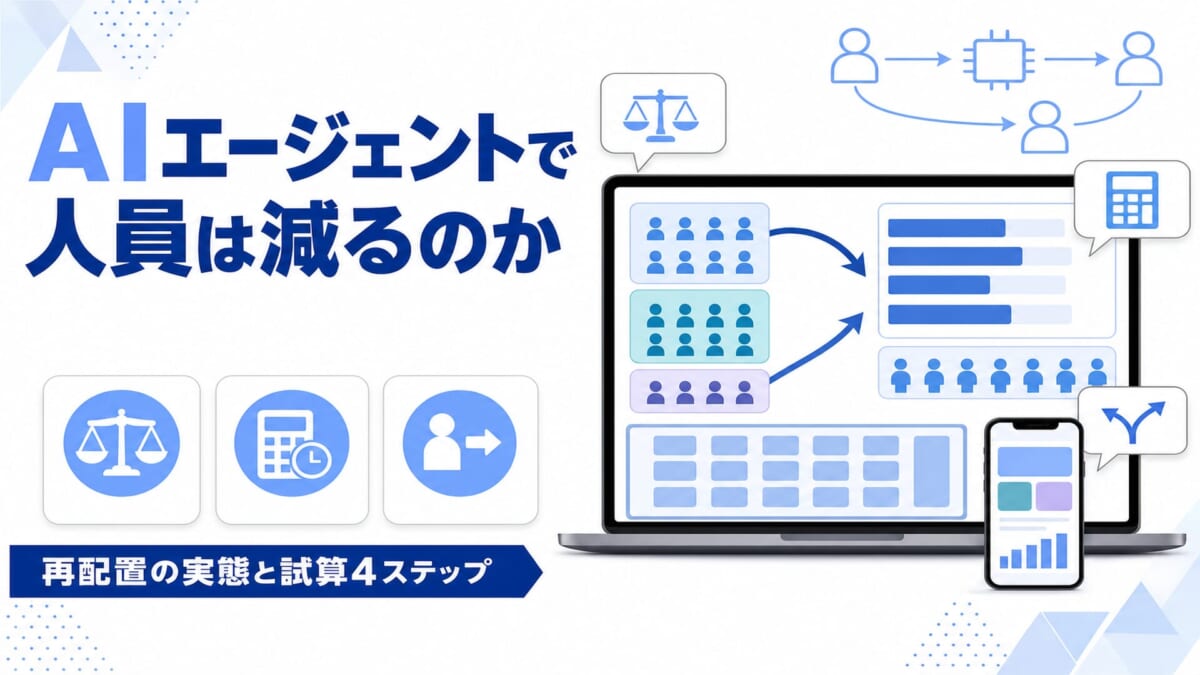
What happened
Japanese firms are not cutting headcount as AI investment rises. Only about 14% of companies planning to increase AI investment expect headcount to fall, and the same share applies to companies with flat investment.
Why it matters
Overseas, staff moves are mostly role changes. Salesforce cut support staff from 9,000 to 5,000 and calls it redeployment, while Meta moved 7,000 workers into AI roles before layoffs. Nomura Research estimates AI can handle only 11% of tasks on average across all job types.
What to watch
Mizuho FG plans to reduce clerical work by up to 5,000 people over 10 years, redeploying staff to sales without layoffs. It will invest up to 100 billion yen in AI from FY2026 to FY2028.
Summaries like this, in your inbox every morning.
The article's core message is that AI agents will not automatically shrink headcount. The decision depends on the volume of tasks that can be delegated, not on the tool's capabilities. Domestic data shows AI investment growth is not translating into staff reduction plans: only about 14% of companies expect headcount to decrease, whether they are increasing investment or keeping it flat. This gap suggests that many businesses are still in the early stages of figuring out what AI can actually do for them.
Overseas, the pattern is more about shifting roles than eliminating jobs. Salesforce reduced its support staff from 9,000 to 5,000 and framed it as redeployment, while Meta moved 7,000 employees into AI-related roles before layoffs. These examples indicate that AI tends to change what people do rather than remove the need for them entirely. The article stresses that the real challenge lies in designing where freed-up time goes, not in hitting a reduction target.
For business readers, the practical takeaway is to measure tasks first. The article outlines four steps: measure the volume and time of a specific task, separate AI and human steps, convert saved time into full-time equivalents, and subtract operational costs. It also warns that cutting staff without planning a destination stops the work. The article suggests three directions for redeployment: moving people to areas with labor shortages, strengthening sales and customer contact, or having them oversee AI systems. Understanding these options helps avoid the common failure of projects stalling because the expected savings never materialize.
Pick your industry and the AI tools you use, and get news related to your work every day.
Free · 30 seconds with Google · unsubscribe anytimeWhat is AIToday? →
Ask AI anything about this article. The AI reads this article, earlier AIToday articles, and Wikipedia, and cites its sources. Q&As are published on this page for other readers too.
In Q2, billionaires or their funds sold six 'Magnificent Seven' AI stocks

Nvidia was rising early Friday, even as the wider chip sector kept falling, Barron's reported

ElevenLabs completed a $300 million employee tender at a $22 billion valuation, and co-founder Mati Staniszews…

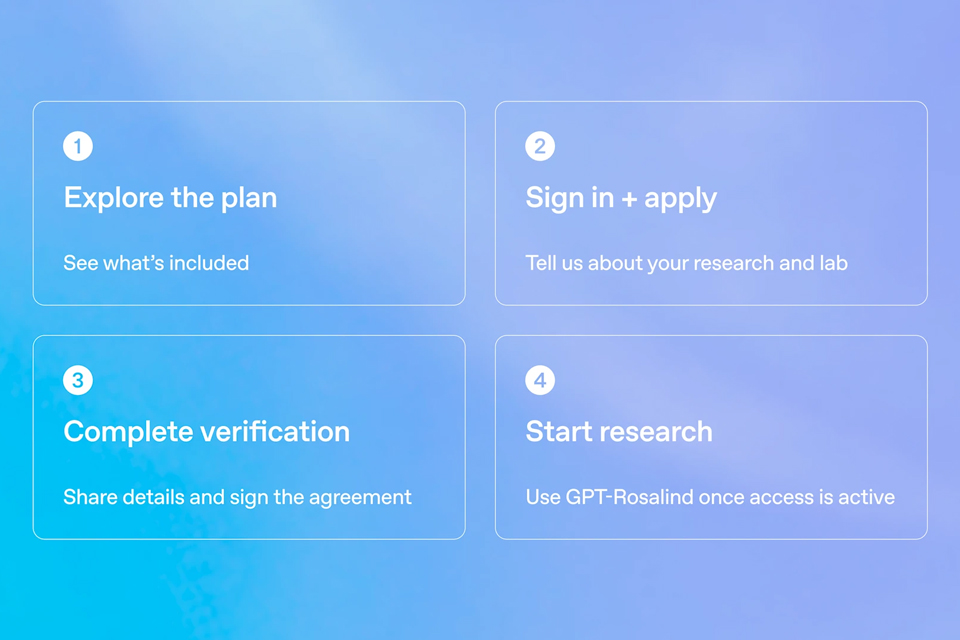
On October 15, OpenAI announced the Rosalind Academic Plan, giving approved US university labs free access to…
Neostellar Capital principal Evan Schlossman said CoreWeave's $103.7 billion in remaining performance obligati…

A Qiita article compared automated red-teaming methods for LLM apps — GCG, PAIR, and TAP — using mock implemen…


