What happened
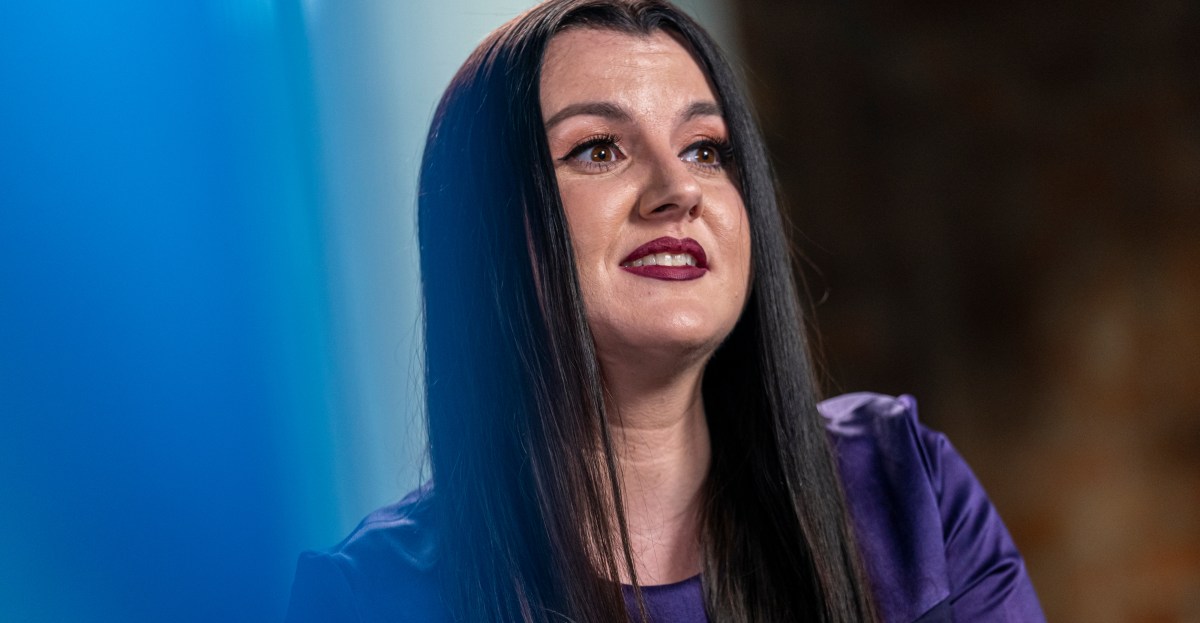
Fidji Simo, who became OpenAI's AGI chief in April, is departing her full-time role and transitioning to a part-time advisor position due to a neuroimmune condition. She had announced medical leave in April after taking on the AGI chief title, and has now determined that her recovery will require longer focus than initially expected.
Why it matters
Simo's departure marks another leadership change at OpenAI's executive level, following earlier announcements that COO Brad Lightcap and CMO Kate Rouch also stepped down—Lightcap to focus on special projects and Rouch to focus on her health. These shifts have reshuffled decision-making responsibilities across the company's product and business strategy.
What to watch
OpenAI president Greg Brockman has taken charge of product strategy and scaling, overseeing four pillars: core product and platform; critical enterprise industries; consumer (health, commerce, and personal finance); and core infrastructure, ads, data science, and growth. A May reorganization memo showed Brockman's mandate to merge ChatGPT and Codex into a unified agentic platform.
Summaries like this, in your inbox every morning.
Simo's transition from full-time AGI chief to part-time advisor marks the latest in a series of leadership changes that began in April when she announced her neuroimmune condition required medical leave. During that absence, the company reorganized its executive structure, with Greg Brockman stepping into product leadership and other executives—including COO Brad Lightcap and CMO Kate Rouch—adjusting their roles. Brockman's mandate, articulated in a May reorganization memo, centers on consolidating the company's agentic platform strategy by merging ChatGPT and Codex into a single unified experience, suggesting that OpenAI has been prioritizing product integration even as leadership continuity shifted.
Simo's decision to move to a part-time role reflects the reality that her recovery, as she noted on X, has proven "much longer and more complex" than she expected when taking the AGI chief role. Her departure preserves her connection to OpenAI while acknowledging that full-time duties are incompatible with managing a disabling illness. The broader pattern of executives stepping back—whether for health, special projects, or scope narrowing—indicates that OpenAI's leadership has been in flux throughout the period, though the company has maintained strategic continuity through Brockman's expanded product authority.
Pick your industry and the AI tools you use, and get news related to your work every day.
Free · 30 seconds with Google · unsubscribe anytimeWhat is AIToday? →
Ask AI anything about this article. The AI reads this article, earlier AIToday articles, and Wikipedia, and cites its sources. Q&As are published on this page for other readers too.
Vinci4D provides chip-design simulation software that trains on physics equations instead of customer data, an…
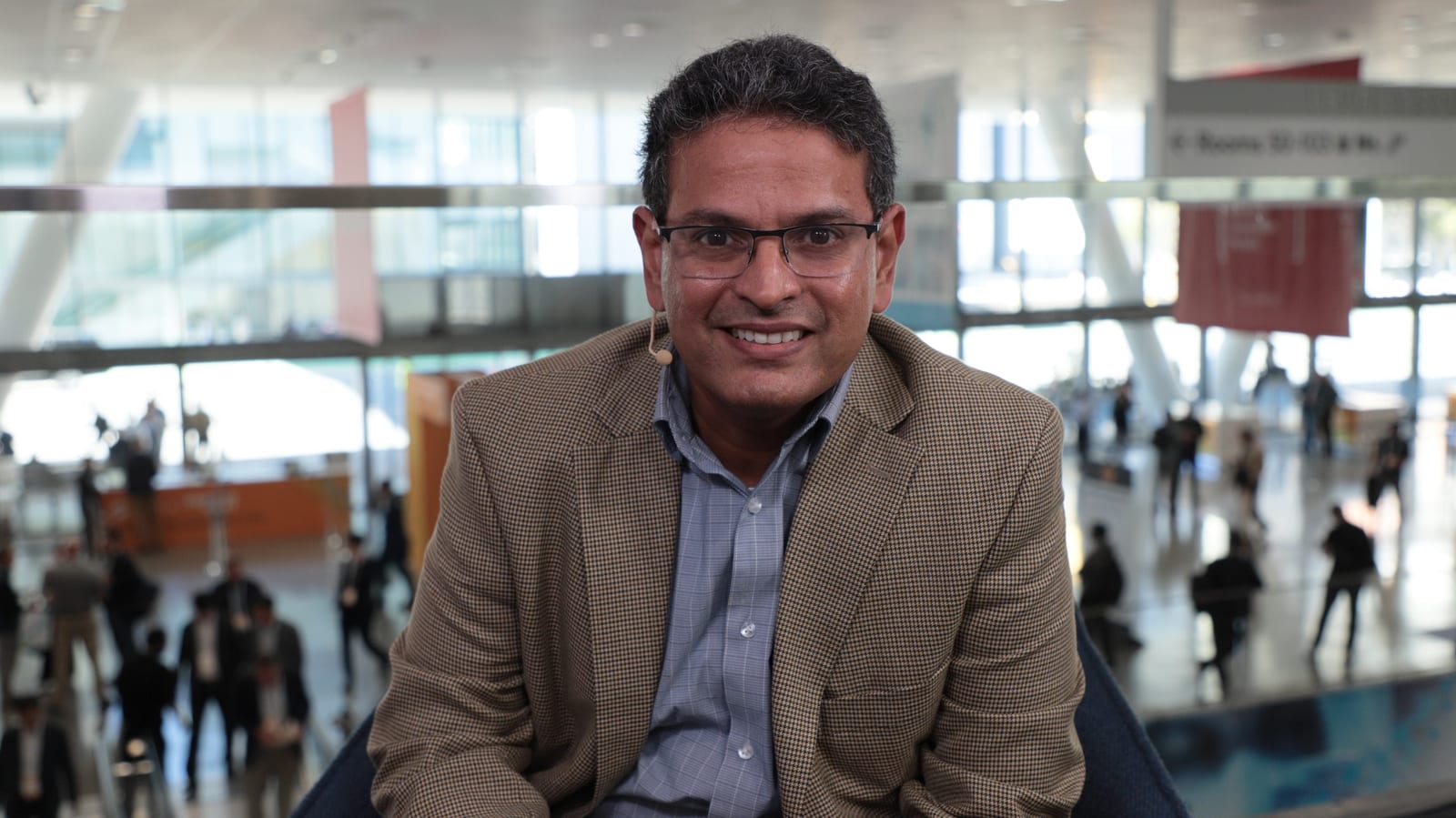
SEMI President and CEO Ajit Manocha told DIGITIMES that the semiconductor industry reached the US$1 trillion r…
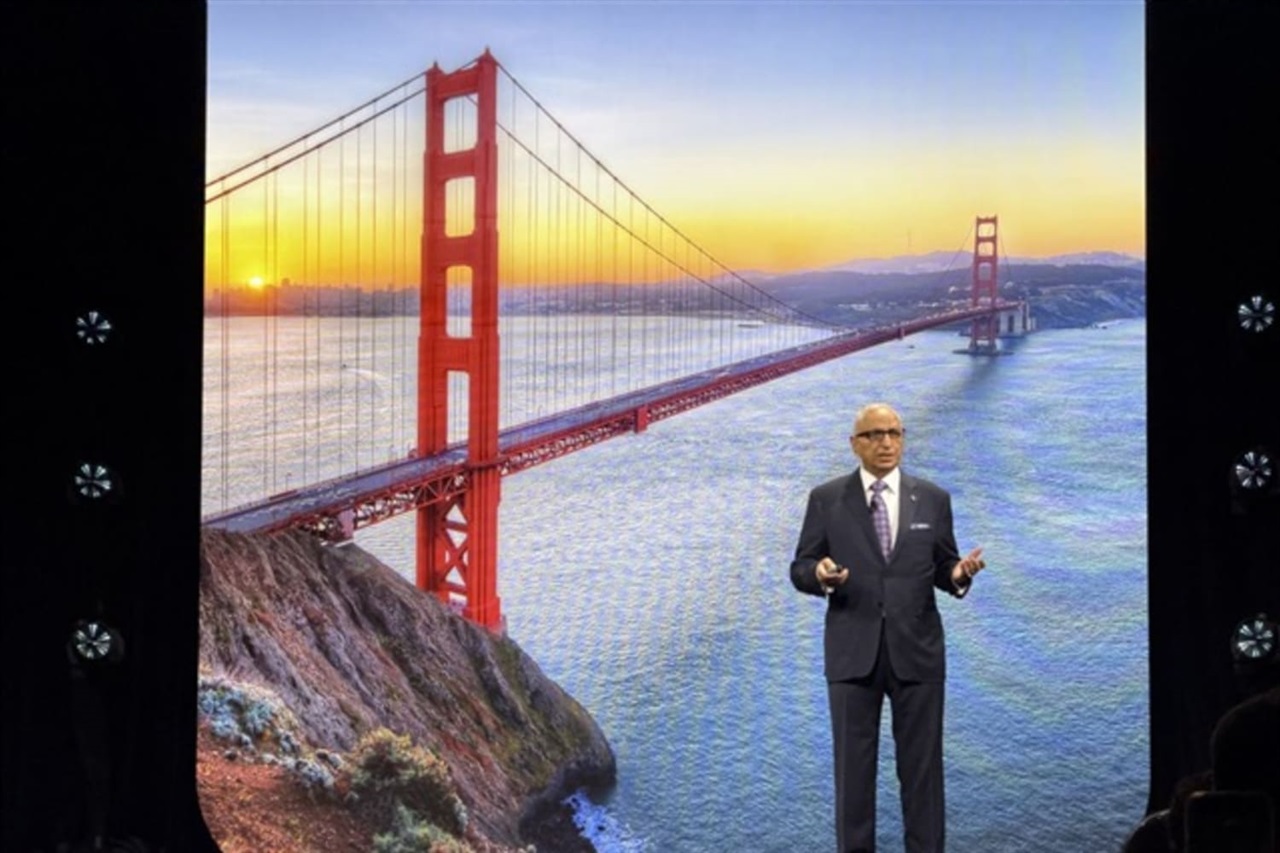
Nvidia's AI Enterprise lists at $4,500 per GPU annually, and paid subscriptions add supported software, securi…

CoreWeave fell more than 25% this week, its debt yield briefly rose above 16% on Thursday, and SK Hynix droppe…

Anthropic told investors this week that it is making 85% gross margins, a figure the columnist calls a cash co…

Modal Labs, an AI infrastructure provider, raised $750 million in a Series D led by Accel at a $15.75 billion…