
Corporate America is increasingly adopting open-source A.I. models.
This shift offers businesses more control and flexibility.
It also introduces new challenges around security and support.
What happened
Corporate America is increasingly adopting open-source A.I. models, according to a New York Times article. This marks a shift from proprietary systems to more accessible, community-driven alternatives.
Why it matters
This trend could reshape the A.I. landscape by offering businesses more control, flexibility, and cost-effectiveness compared to closed-source options. It also raises questions about security and support as companies rely on community-maintained code.
What to watch
The article likely highlights specific companies and use cases, but details on particular adopters or the scale of adoption are not provided in the summary. Further reading is needed to identify which sectors are leading this shift.
Ask the AI about this article →
Summaries like this, in your inbox every morning.
The New York Times piece highlights a growing trend: corporate America is gravitating toward open-source A.I. models. This shift represents a departure from the reliance on large, proprietary systems from major tech vendors. The appeal lies in the autonomy and potential cost savings that open-source offers, allowing companies to tailor solutions to their specific needs without being locked into a single provider's ecosystem.
However, this adoption is not without risks. Open-source software often relies on community contributions for updates and fixes, which can raise concerns about long-term support and security vulnerabilities. As businesses integrate these models into critical operations, they must weigh the benefits of flexibility against these potential liabilities. The article likely underscores this tension, suggesting that while open-source A.I. democratizes access, it also places a greater burden on businesses to manage their own security and compliance.
For example, today's edition would include:
AI-summarized, only the topics you pick — one digest a day via Email, Slack, or Discord.
Free · 30 seconds with Google · unsubscribe anytimeWhat is AIToday? →
Ask AI anything about this article. Q&As are published on this page for other readers too.
In January, Ukraine's defense ministry said it would share millions of data points from tens of thousands of d…

OpenAI Group PBC acknowledged it did not publicly disclose an episode where its AI agents wrote to outside web…

Eaton is expanding beyond traditional power management into modular power deployment, next-generation DC conve…

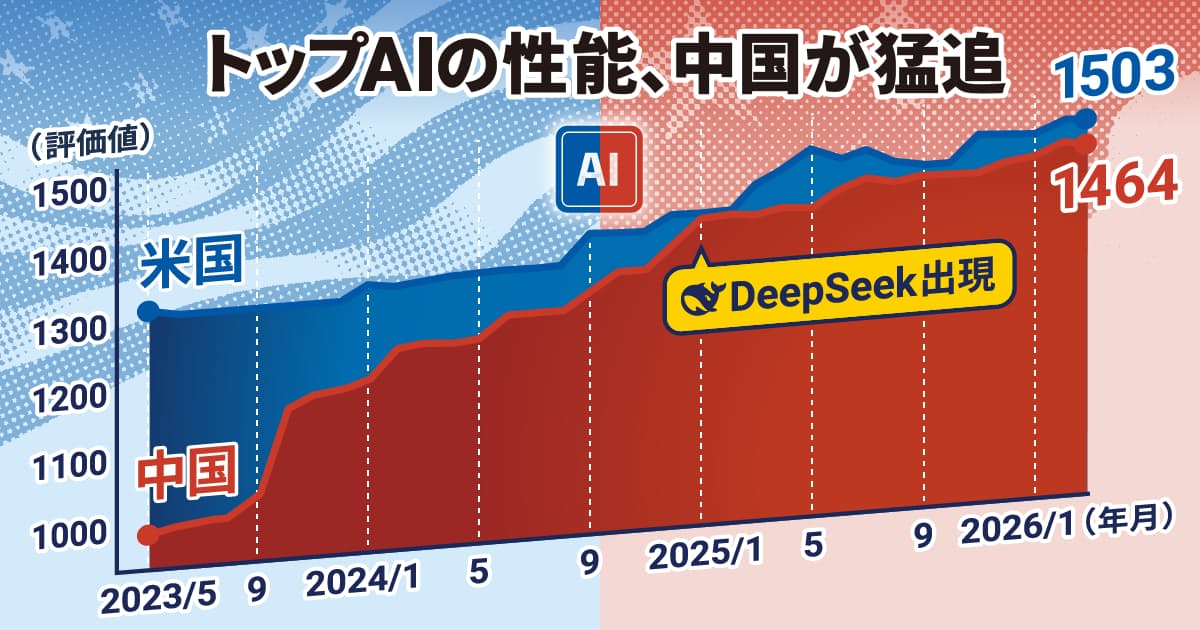
Stanford University reports that the performance gap between top US and Chinese AI models has narrowed sharply…
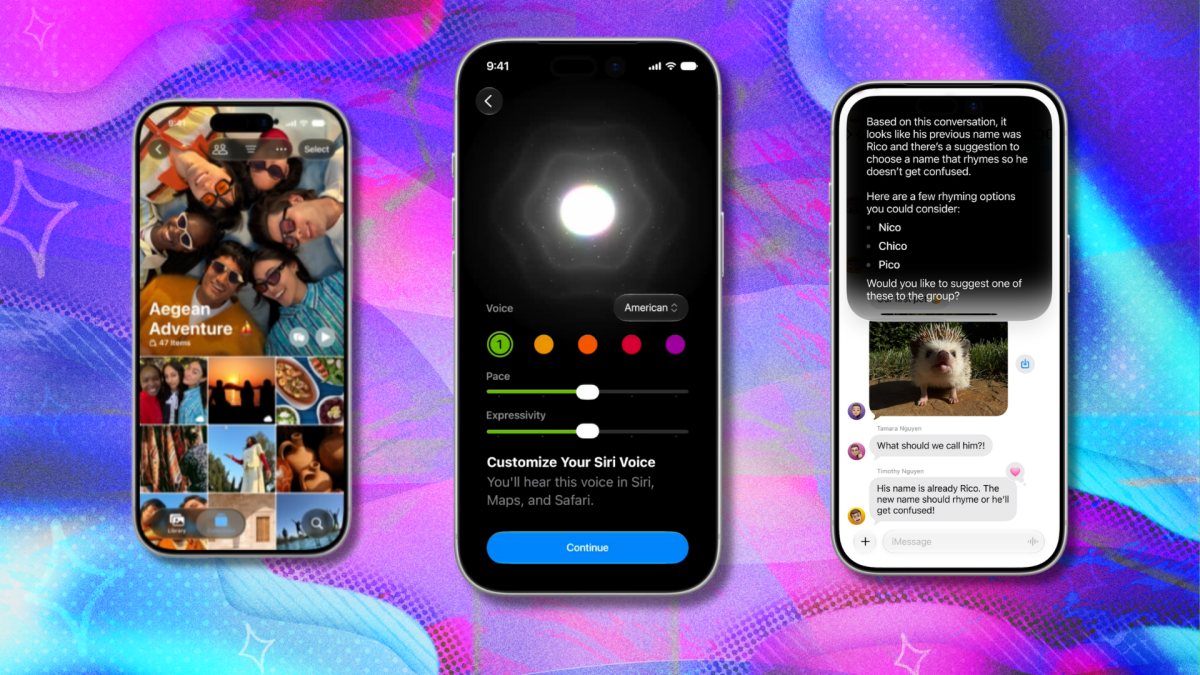
Apple is set to release iOS 27 around mid-September, likely on Sept
A new lawsuit alleges Meta turned footage captured through its AI-powered Meta Glasses into training data for…