What happened
KDDI and ELYZA set up ELYZA Robotics and began operations on October 1; the KDDI group will put 30 billion yen into R&D through fiscal 2030 and aims to deploy 1,000 or more robots in the field.
Why it matters
The venture bundles ELYZA and KDDI Research talent into one organization of more than 300 specialists, targeting tasks in retail, logistics and manufacturing through KDDI group companies such as Lawson and Soracom.
What to watch
Proof-of-concept work is scheduled to begin in 2026 across a wide range of sites, using industrial, quadruped and humanoid robots procured from Japanese and overseas vendors.
WHO IT HITSField operators in retail, logistics and manufacturing are the first likely candidates to see these robots, since shelf stocking and inventory, transport and shortage detection, and precision work are the named use cases. Robotics vendors supplying industrial, quadruped and humanoid machines stand to gain procurement orders as proof-of-concept work scales.
Summaries like this, every morning.
ELYZA Robotics combines the AI research side of ELYZA with KDDI's communications network, its "Digital Belt" AI computing infrastructure and remote monitoring sites. The company is set up to handle everything from research and development to social implementation, organized around three pillars: robot foundation models, embedding robots into field operations, and a physical AI platform.
On the technology side, the work covers VLM models that jointly understand images and language and VLA models that output robot actions, plus techniques for capturing work data recorded from a human viewpoint and reproducing sites in a simulator. ELYZA Robotics plans two versions of its physical AI platform, one for R&D that supports foundation model development and the accumulation and use of field data, and one for actual use that supports distributed inference, remote monitoring and coordinated work by multiple robots, feeding field data and know-how back into research.
Deployment is set to start with proof-of-concept work in 2026, procuring robots from domestic and overseas vendors and working with KDDI group companies including Lawson and Soracom as well as partner firms. The use cases are concrete: shelf inventory and stocking and customer service in retail, transport and shortage detection in logistics, and precision work in manufacturing. Agriculture and construction are named as future expansion areas, which suggests the company is positioning physical AI as a long-term business rather than a single-product bet.
Pick your industry and the AI tools you use, and get news related to your work every day.
Free · 30 seconds with Google · unsubscribe anytimeWhat is AIToday? →
Ask AI anything about this article. The AI reads this article, earlier AIToday articles, and Wikipedia, and cites its sources. Q&As are published on this page for other readers too.
Regal Voice Inc. launched Goal Oriented Agents, which run an actor model that replies right away and a directo…
Oracle signed deals to bring Google's Tensor Processing Units, Cerebras chips, and SambaNova's SN50 processor…

Nvidia's data center revenue hit $89 billion in its FY2027 Q2, growing 117% year over year, while AMD's Q2 dat…
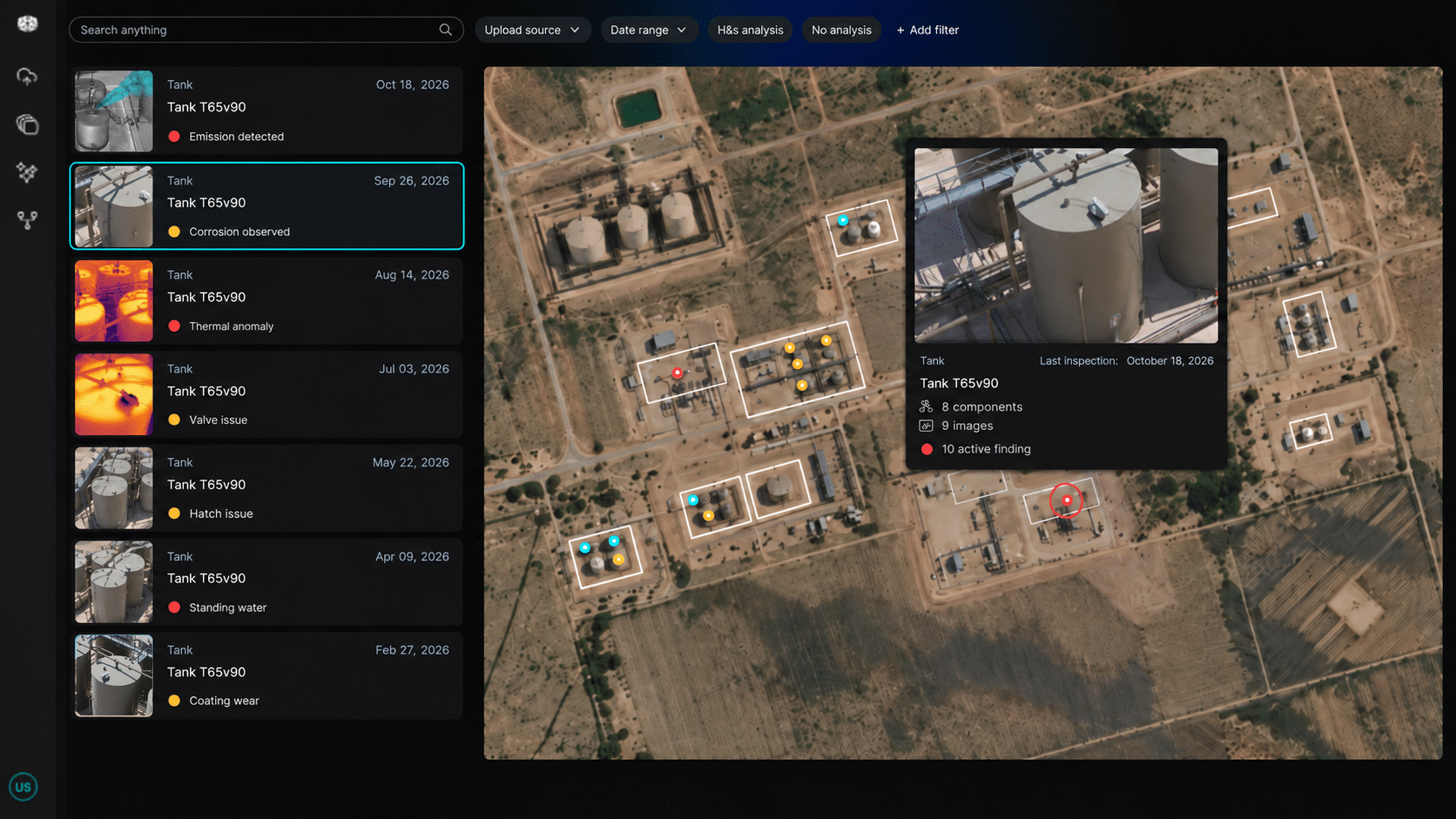
Percepto launched Axion on October 27, 2026, a SaaS platform applying more than 160 AI models trained on over…
Zhang Yiming topped the Hurun list with $100 billion, up 43%, and Hurun's Rupert Hoogewerf said 160 listers —…

A US SEC filing dated Oct 26, 2026 shows Anthropic posted about $16.3 billion in first-half 2026 revenue, incl…