
What happened
Linum published P-JiT, a 2B-parameter pixel-space text-to-image model whose training run cost about $21,000 and converged using roughly one-eleventh the samples of Linum v2.
Why it matters
By cutting attention's context window fourfold through more aggressive token compression, P-JiT suggests capable image generators may be trainable at a fraction of the usual cost.
WHO IT HITSStartups and research teams with small budgets who want to train or fine-tune image generators are the clearest beneficiaries, since P-JiT shows a workable result at about $21,000. It is less suited to designers needing text-heavy graphics such as posters or infographics, which the model does not support.
Summaries like this, every morning.
Pick your industry and the AI tools you use, and get news related to your work every day.
Free · 30 seconds with Google · unsubscribe anytimeWhat is AIToday? →
Ask AI anything about this article. The AI reads this article, earlier AIToday articles, and Wikipedia, and cites its sources. Q&As are published on this page for other readers too.
Testing Rockchip's rknn-llm multimodal demo for Qwen2-VL-2B-Instruct, the author found transformers 5.8.0 thro…
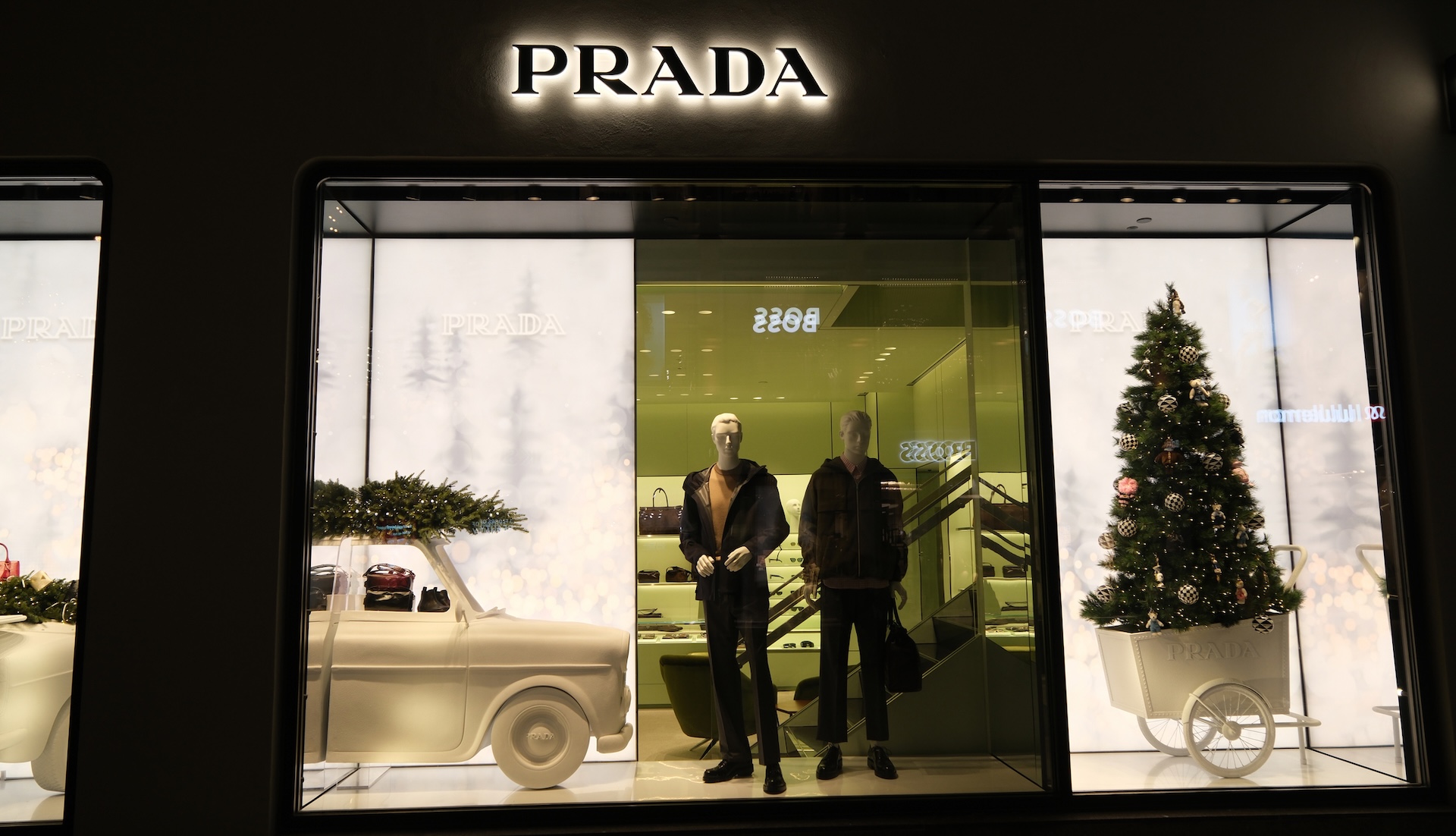
Prada hired a veteran animator to produce hand-drawn Christmas advertisements, while Coca-Cola is facing backl…
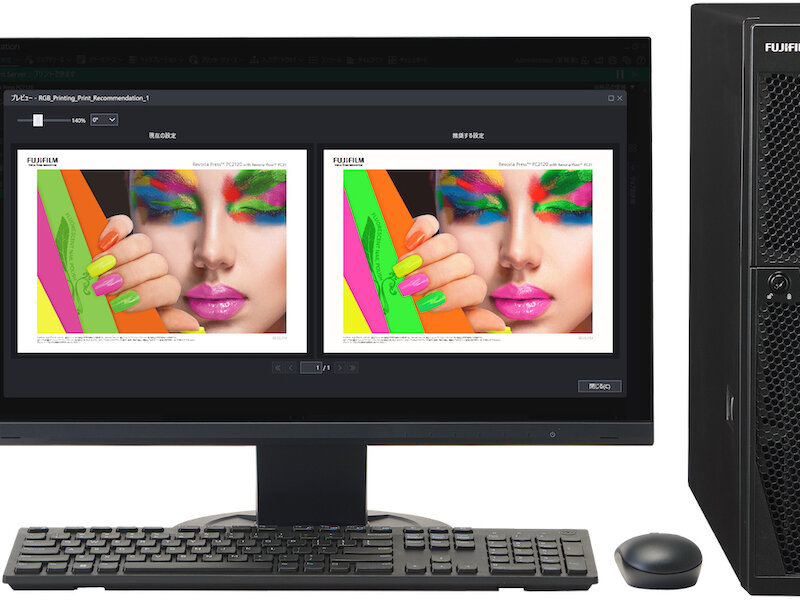
Fujifilm Business Innovation will offer Print Recommendation — an AI feature that analyses submitted data and…
The author piped a single drawing through ComfyUI into a 360° rotation video, logged 13 hair measurements in a…
A new Mac mini owner with an M5 Pro (base CPU config) and 48GB of unified memory asked which models and quanti…

Across five stages, YuNet + SFace scored 5/5 in 9.94 seconds; Jev was fastest at 3.81 seconds but scored 1/5;…