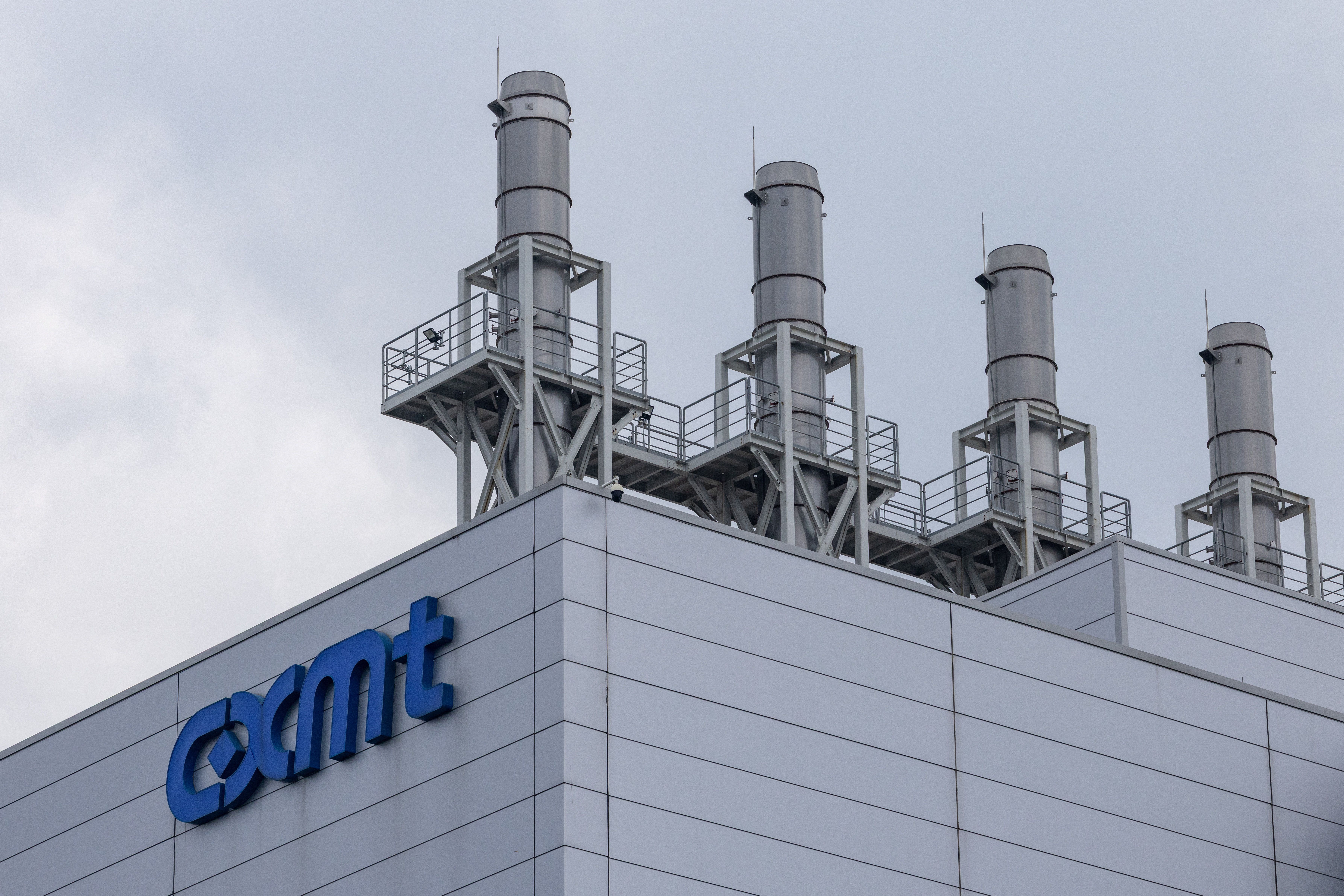
What happened
Chinese memory chipmaker CXMT overtook Tencent on Thursday to become China's most valuable company, driven by surging demand for AI-related chips. Tencent, which is itself a CXMT customer, reported it had doubled its quarterly AI spending, and another major Chinese chipmaker, SMIC, reported a tripling of annual revenues.
Why it matters
The shift reflects how AI infrastructure demand—particularly for memory chips that power data centers and large language models—is reshaping China's corporate hierarchy. Tencent's doubled AI spending signals intensifying competition among Chinese tech giants and smaller rivals like Moonshot and DeepSeek, which is pressuring the company's valuation and highlighting the strategic importance of domestic chip supply.
What to watch
Apple is testing CXMT chips for products sold in China, according to reporting by the Wall Street Journal last week, indicating that consumer electronics makers are seeking alternate memory sources as hyperscalers consume available supplies.
Summaries like this, in your inbox every morning.
CXMT's rise to become China's most valuable company marks a dramatic repricing of the semiconductor sector against the backdrop of AI infrastructure buildout. The chipmaker has benefited from what the article describes as a 'tidal wave of AI-fueled demand,' which is drawing capital and attention away from China's largest tech companies. Tencent's doubling of quarterly AI spending, while a sign of serious commitment to artificial intelligence, appears to have spooked investors concerned about the company's ability to compete with peers and smaller, more focused rivals in the AI race. Meanwhile, SMIC's tripling of annual revenues—driven by the same AI-driven memory demand that lifted CXMT—shows the sector-wide boost that memory chip suppliers are experiencing as hyperscalers (large cloud providers) build out data center capacity. Apple's testing of CXMT chips for China-market products suggests that the supply constraints affecting memory availability are real enough that major consumer electronics makers are actively qualifying new sources, indicating CXMT's chips have reached competitive parity or cost advantage.
Pick your industry and the AI tools you use, and get news related to your work every day.
Free · 30 seconds with Google · unsubscribe anytimeWhat is AIToday? →
Ask AI anything about this article. The AI reads this article, earlier AIToday articles, and Wikipedia, and cites its sources. Q&As are published on this page for other readers too.
In Q2, billionaires or their funds sold six 'Magnificent Seven' AI stocks

Nvidia was rising early Friday, even as the wider chip sector kept falling, Barron's reported
ElevenLabs completed a $300 million employee tender at a $22 billion valuation, and co-founder Mati Staniszews…

On October 15, OpenAI announced the Rosalind Academic Plan, giving approved US university labs free access to…

Neostellar Capital principal Evan Schlossman said CoreWeave's $103.7 billion in remaining performance obligati…

Supermicro Computer appointed Mark Long as chief financial officer, bringing an experienced technology finance…