Revenue rose to 5.9 billion euros ($6.88 billion) in the quarter, with bookings increasing 6.2% year-on-year to 6 billion euros. North America grew 20.7% at constant exchange rates to 1.7 billion euros, driven by the recently acquired AI unit WNS.
Generative and agentic AI (machine learning systems that can understand tasks and act autonomously) now account for more than 10% of group bookings. CEO Aiman Ezzat cited Capgemini's global reach and deeper partnerships with U.S. tech firms, including Google and a new 'Frontier Alliance' with OpenAI, as key drivers of growth.
Group headcount stood at 421,000 at end-March, up 23% year-on-year, reflecting the integration of WNS. Capgemini confirmed its target of revenue growth around 6.5% to 8.5%.
Ask the AI about this article →
For example, today's edition would include:
AI-summarized, only the topics you pick — one digest a day via Email, Slack, or Discord.
Free · takes 30 seconds · unsubscribe anytimeWhat is AIToday? →
Ask AI anything about this article. Q&As are published on this page for other readers too.
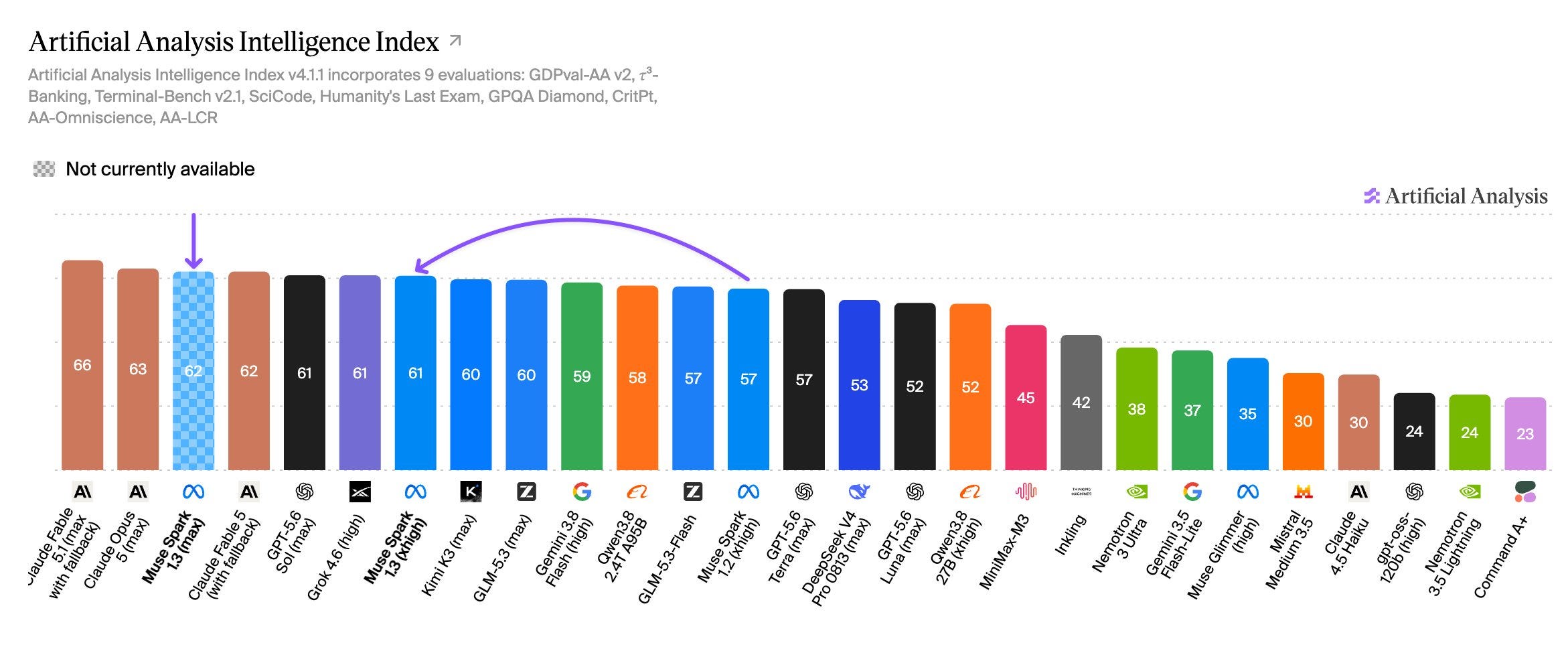
Meta released Muse Spark 1.3, which per AAII is now the #3 model in the world
The original author of CABiNet (ICRA 2021) rebuilt the repo and compared its performance against YOLO26-sem on…

A developer built Deepity, a C++ machine learning library, to test Predictive Coding Networks (PCNs), an alter…
Meta Platforms Inc. released Muse Spark 1.3, which it says puts it at the same level as the most recent models…

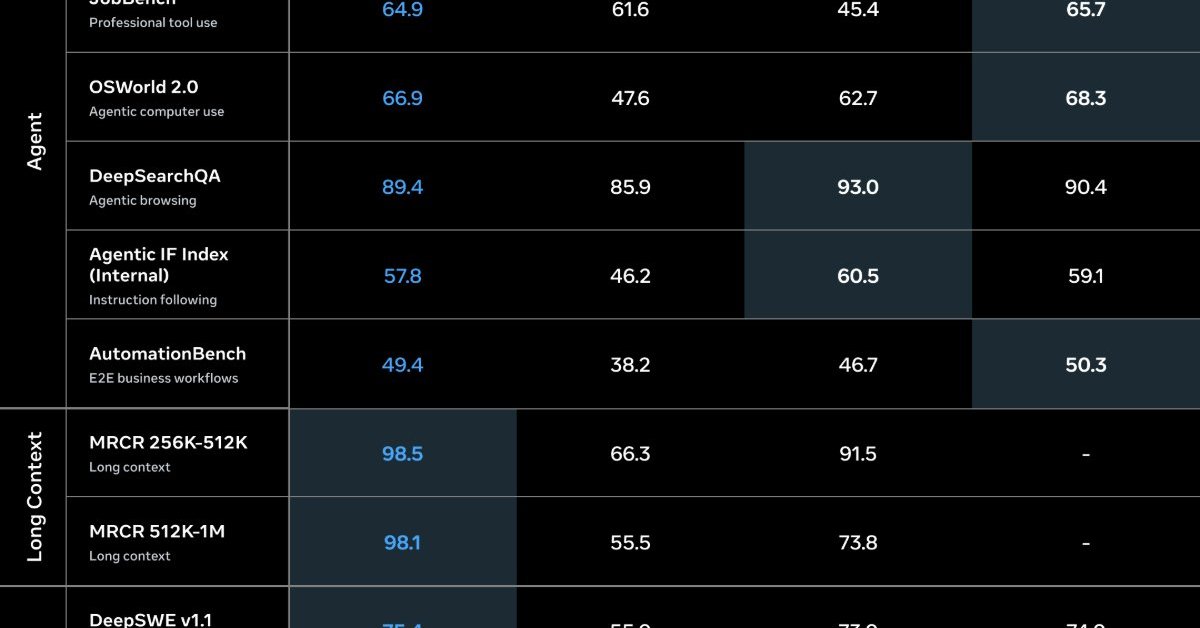
Meta announced Muse Spark 1.3 on September 2 and started offering it to developers through Muse Code and the M…
The author tested AI writing tools over three years and found AI automates mechanical tasks but does not reduc…