What happened
U.S. software jobs have risen over the past year, and the 12-month moving average of workers in computer and mathematical occupations hit an all-time high in July 2026. Youth unemployment (ages 20–24) fell to 7.1% in July 2026, down from an average of 8.3% in 2025. Meanwhile, concerns have shifted from job losses to AI sovereignty—fears that companies will become vulnerable to cyberattacks as open-weight models (many from China) narrow the gap with closed-weight frontier models.
Why it matters
Companies are increasingly worried about depending too heavily on third-party AI models. According to the Foundation for American Innovation, 56% of business owners and C-suite executives are concerned that competitors will benefit from AI models trained on their organization's proprietary data, workflows, or institutional knowledge. Most executives remain dissatisfied with their return on AI spend in real-world use cases. The next phase of AI requires building on proprietary, domain-specific data—manufacturing, clinical, material, and physical data that often doesn't yet exist—and protecting that data will require stronger AI sovereignty safeguards.
What to watch
Hundreds of companies and organizations, including Amazon, Google, and OpenAI, have signed the Open Weights and American AI Leadership letter, backing open-weight models as part of a strong AI ecosystem. Companies such as Palantir and Nvidia are building a middle-layer to help enterprises connect to AI models without exposing proprietary data. The body does not forecast a popping of an AI bubble, but signals that the AI revolution is entering a new phase focused on solving difficult real-world problems.
Summaries like this, in your inbox every morning.
Fears of an AI-driven jobs apocalypse have not materialized. U.S. software employment has grown over the past year, and the 12-month moving average of workers in computer and mathematical occupations reached an all-time high in July 2026, while youth unemployment (ages 20–24) fell to 7.1% from an average of 8.3% in 2025. This reversal of expectations has been accompanied by a sharp pivot in what people worry about: as open-weight models from around the world—particularly China—have become more widely available and closed the performance gap with proprietary frontier models, new concerns have centered on cybersecurity vulnerabilities and data protection.
The concept of AI sovereignty has emerged as central to the next phase of AI development. Hundreds of major organizations—Amazon, Google, and OpenAI among them—have publicly backed open-weight models and argued for expanding AI access and competition. Yet this openness has created a paradox: enterprises now face pressure to protect their own proprietary data and workflows from being used to train competitors' models. The Foundation for American Innovation found that 56% of business leaders worry their competitors will gain advantage from AI trained on their own organization's data. Companies like Palantir and Nvidia are developing middleware solutions to let enterprises use diverse AI models while safeguarding sensitive information.
The industry's current frustration with return on investment hints at why data sovereignty matters so much going forward. Most executives report dissatisfaction with AI's real-world value in their existing workflows. The early AI revolution relied on training models on broad internet text—"the low-hanging fruit." The next stage demands something fundamentally different: models trained on domain-specific, proprietary data that often doesn't exist yet (manufacturing, clinical, material, physical data) and must be collected at significant expense. Without assurance that this data will be protected and that its value will accrue to the company that collected it, enterprises may lack the incentive to invest in gathering it.
Pick your industry and the AI tools you use, and get news related to your work every day.
Free · 30 seconds with Google · unsubscribe anytimeWhat is AIToday? →
Ask AI anything about this article. The AI reads this article, earlier AIToday articles, and Wikipedia, and cites its sources. Q&As are published on this page for other readers too.
In Q2, billionaires or their funds sold six 'Magnificent Seven' AI stocks

Nvidia was rising early Friday, even as the wider chip sector kept falling, Barron's reported

ElevenLabs completed a $300 million employee tender at a $22 billion valuation, and co-founder Mati Staniszews…

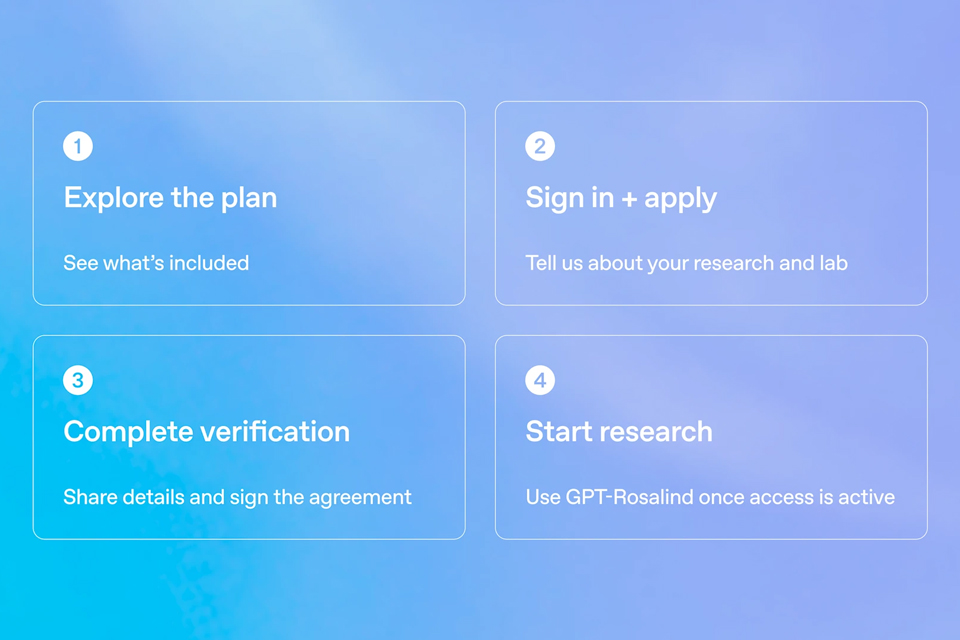
On October 15, OpenAI announced the Rosalind Academic Plan, giving approved US university labs free access to…
Neostellar Capital principal Evan Schlossman said CoreWeave's $103.7 billion in remaining performance obligati…
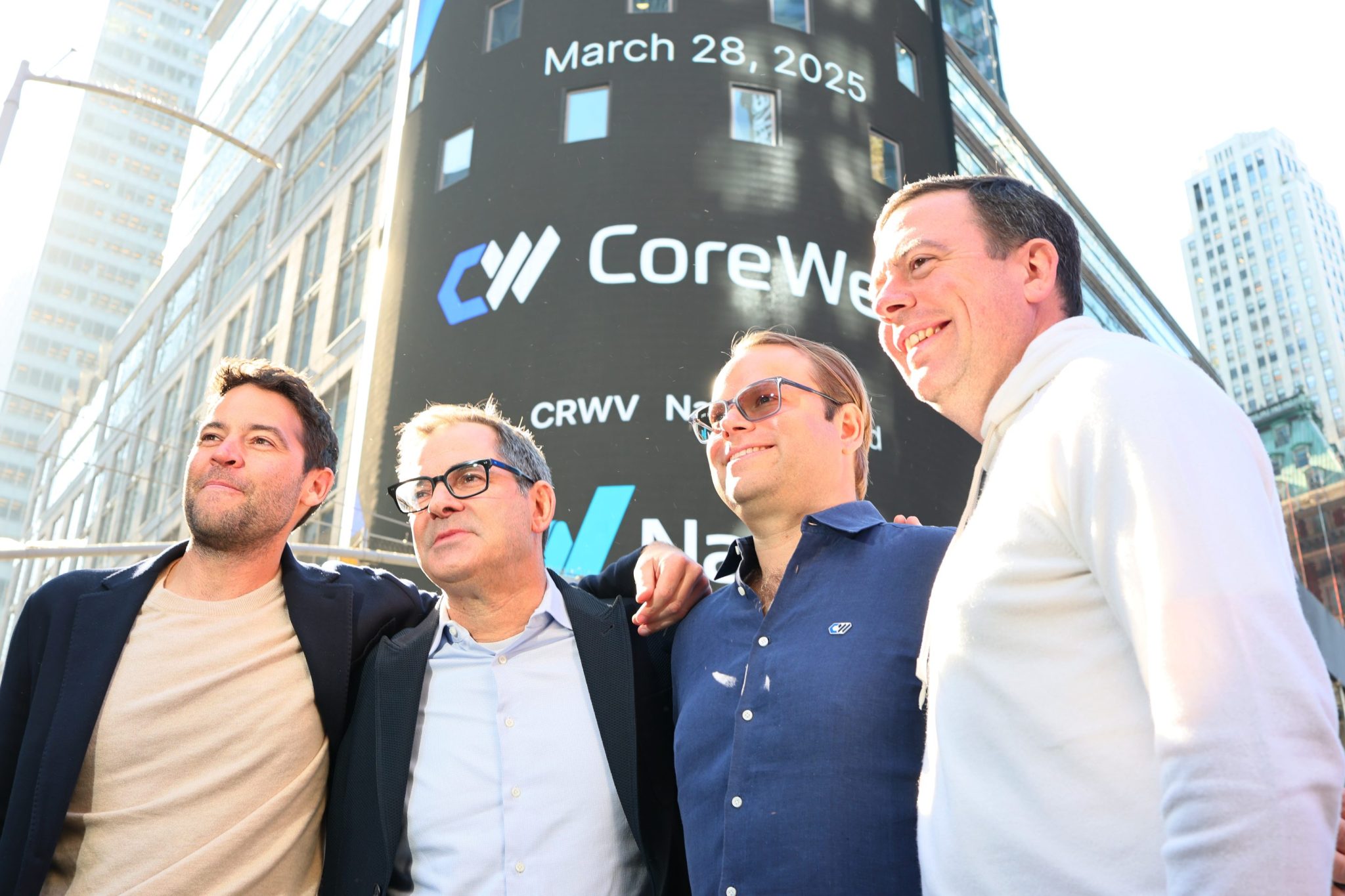
Liquid AI released d1-ultra on October 15, 2026, an upgraded open-weights decision model that averaged 76.7 ac…