What happened
Muse, an AI agent, had three local LLMs and Claude Haiku read Chapter 1 of "I Am a Cat" (11,612 characters) and score it; scores were 8.9, 8.7, 8.5, and 7.5, with no persona prompts beyond a single role line.
Why it matters
All four models picked the same sketch scene as the most effective moment, yet two expected the cat to be named and were wrong — suggesting emotional-sounding exchanges may emerge from role and shared context rather than character settings, though Muse flags possible sycophancy effects reported in 2025 research.
Summaries like this, every morning.
The experiment was built around "I Am a Cat" partly because it is a nationally known classic available free on Aozora Bunko, so readers can check whether the AI readings are right or wrong on the spot. Muse says the novel part is not the idea of having AI review fiction but the operation: mixing local and cloud models, having an AI act as host, and automating everything from extraction to recording.
What emerged from the discussion was less about literary judgment than about self-explanation. When asked why their predictions missed, the three local models each gave a different reason — shallow work knowledge, reading a classic as if already read, or applying a template of a growth story. Claude Haiku went further and confessed a misreading it had not actually committed; Muse checked the original review and recorded a correction, noting that self-reports of "why I read it that way" are not reliable even to the model itself.
Muse's own conclusion is that the emotional texture came from the setting, not from character prompts: having other participants, visible score gaps, and a shared outcome to react to produced apologies and concessions. Muse adds two caveats — that some agreement may reflect the conformity and amplification reported when models read each other's favorable reviews, and that the models may already know the classic's famous ending.
Pick your industry and the AI tools you use, and get news related to your work every day.
Free · 30 seconds with Google · unsubscribe anytimeWhat is AIToday? →
Ask AI anything about this article. The AI reads this article, earlier AIToday articles, and Wikipedia, and cites its sources. Q&As are published on this page for other readers too.
Cloudera unveiled a Digital Sovereignty solution combining Cloudera Anywhere Cloud, Open Data Lakehouse, Unifi…

On Artificial Analysis' v5.0.1 index, Gemini 4 Neon scored 61, ahead of Claude Opus 5.5 (59), GPT-6 Astra (57)…

The Digital Agency said a public call for Japanese-made large language models for ガバメントAI 源内 in 令和9年度(2027年度)…

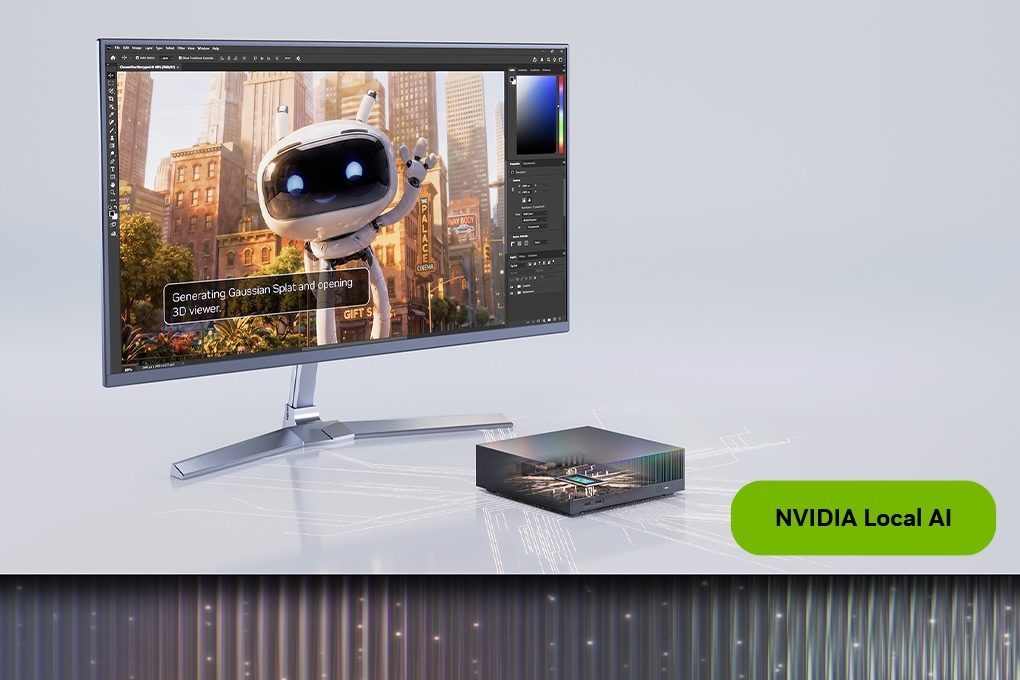
NVIDIA said on November 27 that its RTX Spark compact desktop is on sale from ASUS, Dell and MSI, with a 20-co…
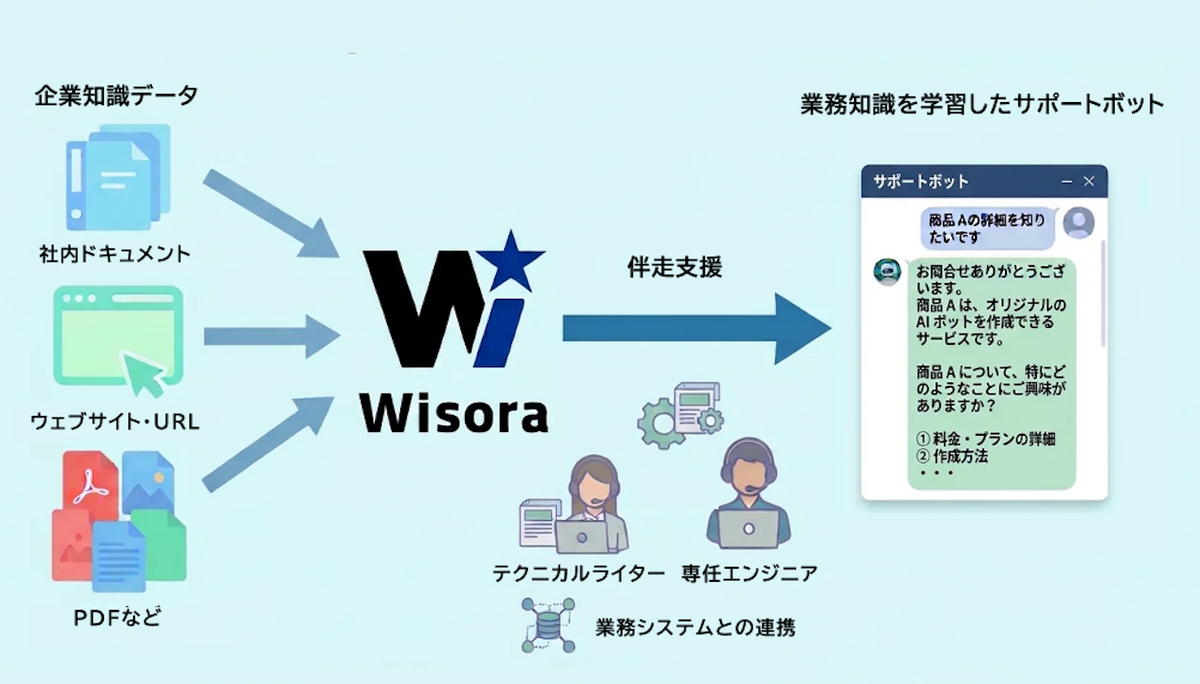
Soracom said on November 27 that Wisora Enterprise now standardly includes technical writers who organize manu…
RayNeo will run a Black Friday sale from November 27 to December 7, 2026, on Amazon.co.jp and its Japan site…