What happened
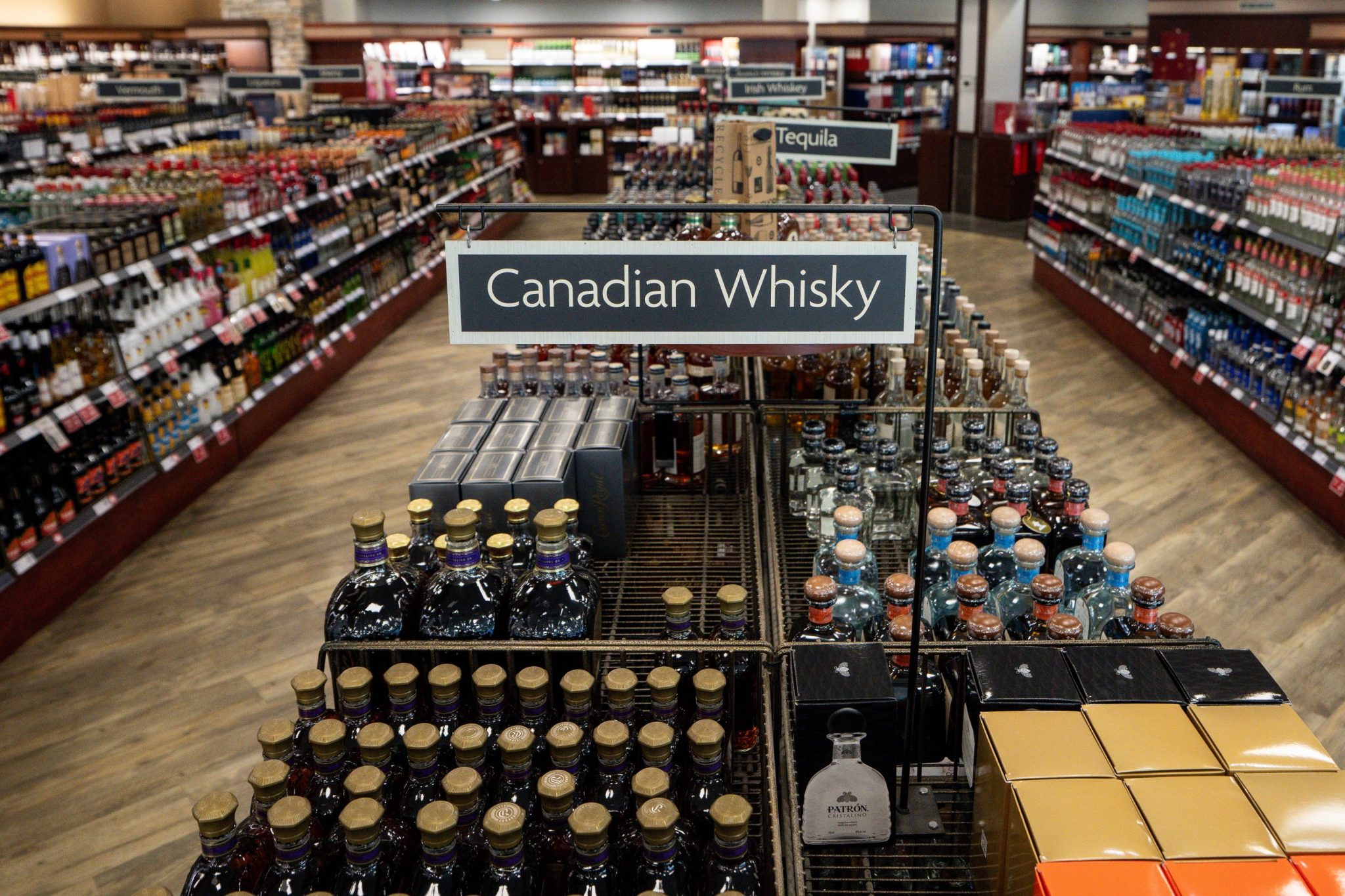
The U.S. banned nearly $1 billion in Canadian imports — 87% alcoholic beverages, plus dairy and motorcycles — effective 12:01 a.m. Eastern time Tuesday, per Jacob Jensen of the American Action Forum.
Why it matters
The ban amounts to barely a ripple in $880 billion worth of annual two-way trade, and trade attorney Patrick Childress said many goods already faced 50% tariffs, so the economic impact is likely to be minimal.
What to watch
The impasse imperils efforts to renew the US-Mexico-Canada Agreement, and Childress said the standoff is likely to continue for months, not weeks.
WHO IT HITSU.S. importers of Canadian alcohol, dairy and motorcycles, along with Canadian exporters such as Bombardier Recreational Products, face disrupted shipments, while trade officials on both sides face pressure to negotiate a resolution.
Summaries like this, in your inbox every morning.
The ban follows a summer escalation in which Trump reached back to a Great Depression law to impose 50% tariffs on about $20 billion worth of Canadian imports, charging that Canada discriminates against U.S. dairy, auto and alcoholic beverage producers. Canada counterpunched with tariffs of 15%, 25% or 50%, matching U.S. imports dollar for dollar. In response to Canada's retaliation, Trump decided to ban a list of Canadian products.
The economic impact is likely to be minimal, as trade attorney Patrick Childress noted that the products on the banned list were already facing Trump's tariffs, which for many goods acted as a de facto ban. Jacob Jensen of the American Action Forum calculates the ban covers $967 million worth of Canadian imports, based on 2025 numbers. Bombardier Recreational Products confirmed its three-wheel Can-Am Spyder and Canyon motorcycles will be excluded from importation into the U.S., but said the impact likely won't be felt until next year because it has completed most production and shipments for the current season.
The impasse imperils efforts to renew the US-Mexico-Canada Agreement, which Trump once declared "the most modern, up-to-date, and balanced trade agreement in the history of our country." Canadian Prime Minister Mark Carney has sought to reduce Canada's reliance on the United States, which last year accounted for more than 70% of Canadian exports. The outcome hinges on whether the economic pressure is enough to force either party back to the negotiating table, and on whether Canadian exporters and U.S. importers push trade officials toward a resolution.
Pick your industry and the AI tools you use, and get news related to your work every day.
Free · 30 seconds with Google · unsubscribe anytimeWhat is AIToday? →
Ask AI anything about this article. The AI reads this article, earlier AIToday articles, and Wikipedia, and cites its sources. Q&As are published on this page for other readers too.

