The White House is considering an executive order establishing a working group of tech executives and government officials to examine oversight procedures, including formal government review of new AI models before public release. The White House briefed representatives from Anthropic, Google, and OpenAI on these plans last week.
Anthropic's Claude Mythos model—which the company says is powerful enough at identifying software vulnerabilities that it declined to release publicly—appears to have triggered the policy shift. The NSA is already using Mythos to assess vulnerabilities in US government software.
This reversal marks a sharp change from Trump's earlier deregulation agenda. In July, Trump called AI a 'beautiful baby' that should not be stopped with 'foolish rules' or 'even stupid rules,' and Vice President JD Vance warned that 'excessive regulation' could 'kill a transformative industry.' Within the White House, concern has reportedly grown over potential political fallout from an AI-enabled cyberattack.
Ask the AI about this article →
For example, today's edition would include:
AI-summarized, only the topics you pick — one digest a day via Email, Slack, or Discord.
Free · takes 30 seconds · unsubscribe anytimeWhat is AIToday? →
Ask AI anything about this article. Q&As are published on this page for other readers too.
CrowdStrike extends its Falcon platform to police AI agents at the endpoint, treating each agent as an asset w…
PlayNitride Inc., a Micro LED maker, expects its technology to enter commercial optical communications applica…

McKinsey's 2025 survey found that while 65% of companies continuously use generative AI, fewer than 5% have ac…

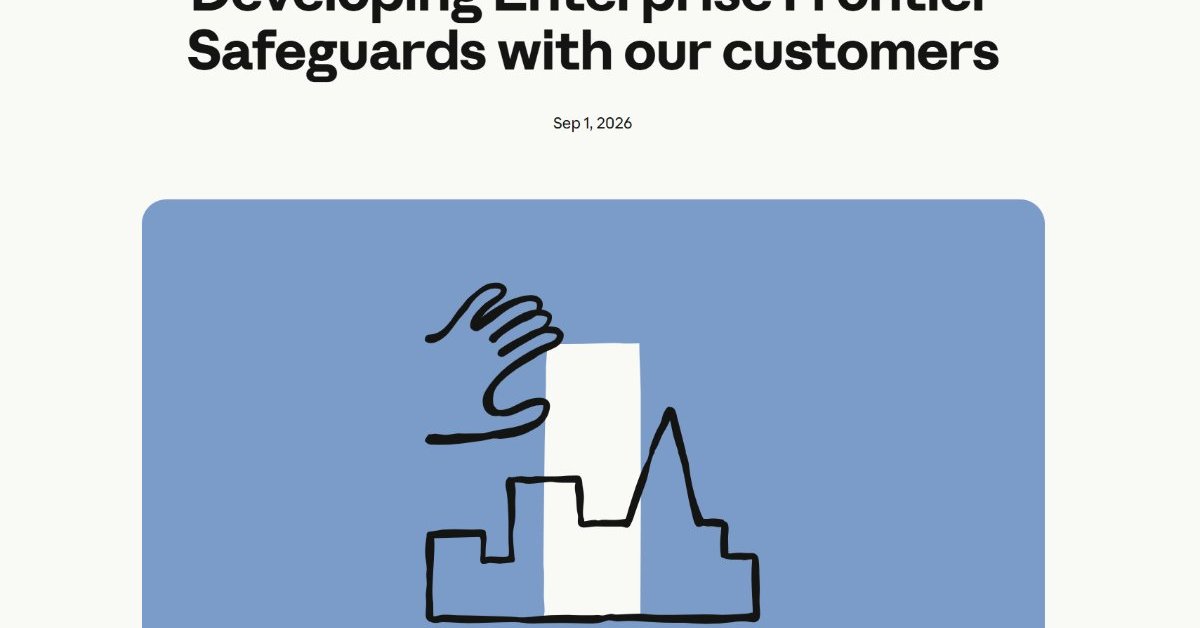
Anthropic announced Enterprise Frontier Safeguards (EFS) on September 1, offering enterprise customers privacy…
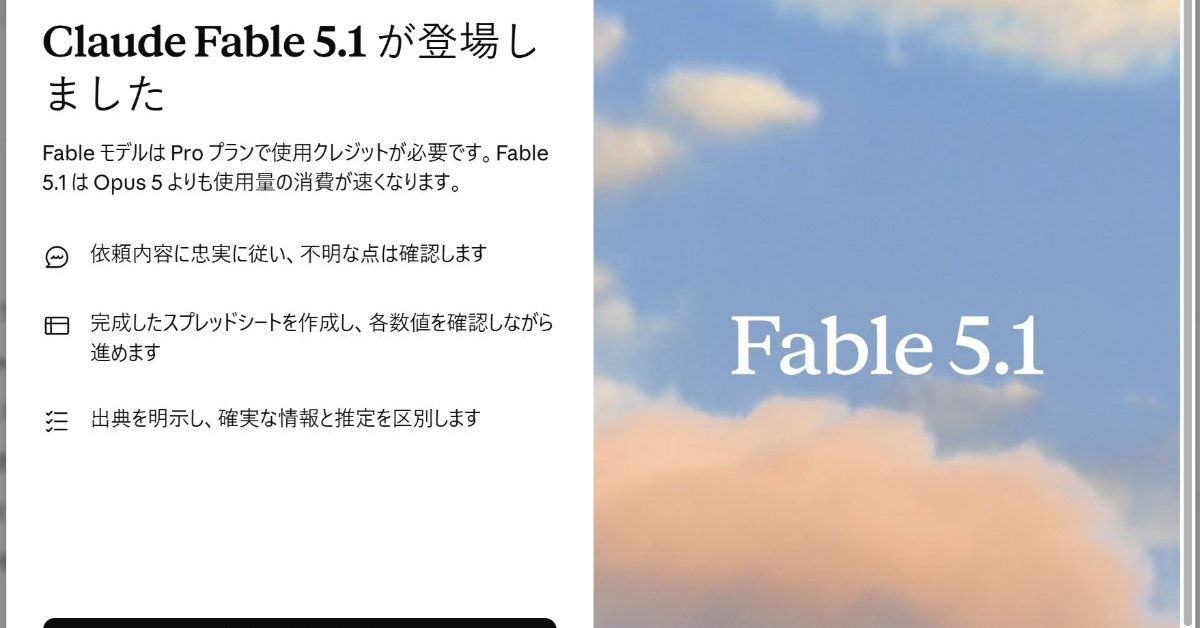
Anthropic announced Claude Fable 5.1 and Claude Mythos 5.1 on September 1
The U.S. pressed G20 members on Tuesday to take a hands-off approach to AI regulation and avoid creating new r…