What happened
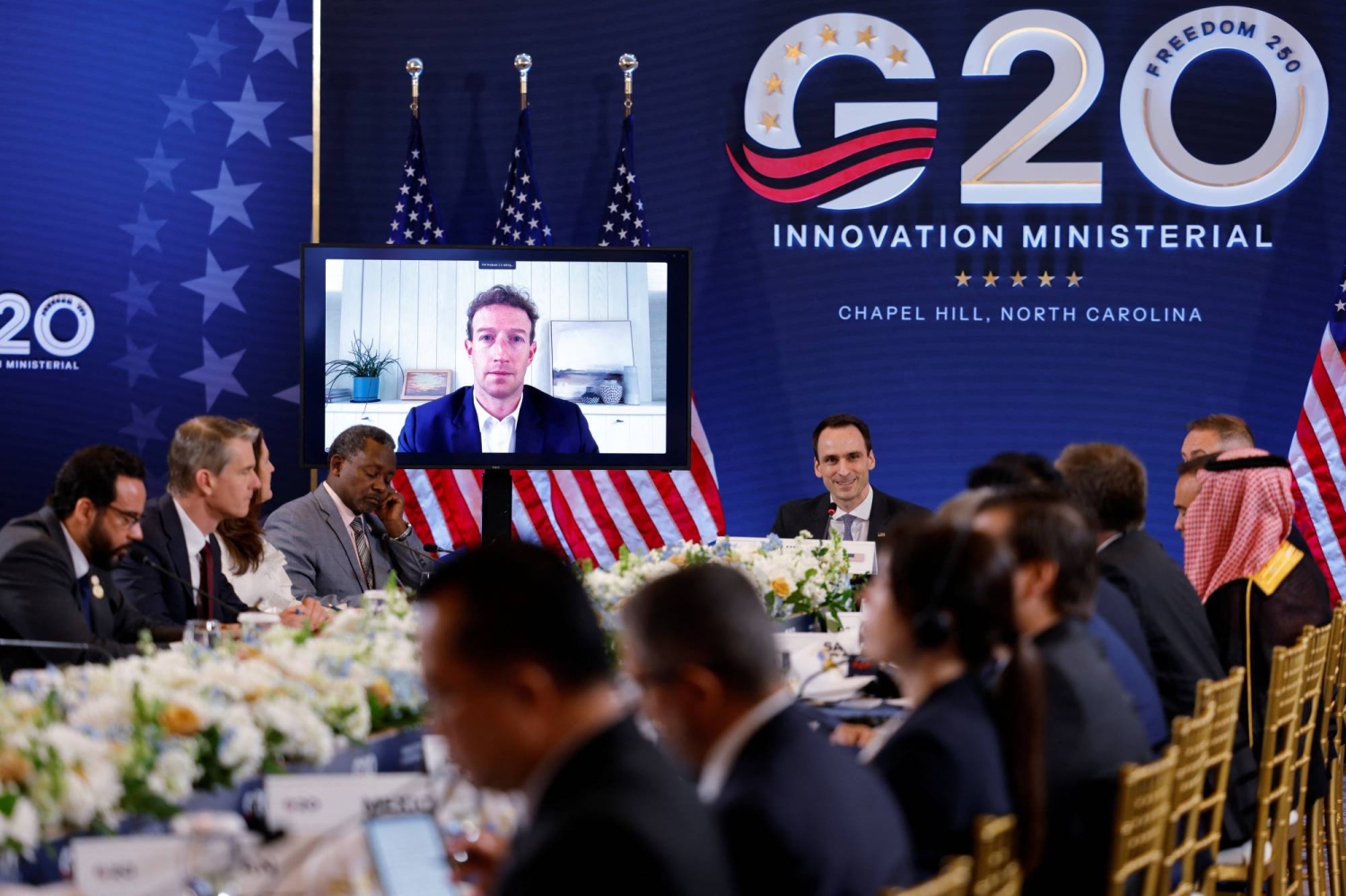
The U.S. pressed G20 members on Tuesday to take a hands-off approach to AI regulation and avoid creating new rules for the technology. U.S. tech adviser Michael Kratsios advocated for countries to adopt the "Carolina Principles" at a two-day meeting in North Carolina.
Why it matters
The U.S. position aligns with the world's biggest AI companies, nearly all American, which want less regulation or to shape rules as they are written. Federal requirements could hurt industry profits by slowing new model releases or forcing changes to address security concerns.
What to watch
Countries that signed the "Carolina Principles" agreed to avoid entirely new AI regulations and instead focus on rules for "novel" situations involving the technology.
Summaries like this, every morning.
The U.S. push for a hands-off approach at the G20 meeting reflects the interests of its dominant AI companies, which seek to minimize regulatory hurdles globally. By proposing the "Carolina Principles," the U.S. aims to steer international consensus away from comprehensive AI rules, limiting regulation to "novel" situations. This strategy, if adopted, could facilitate faster model deployment and protect industry profits, but it also raises questions about how security concerns will be addressed without specific regulations. The meeting's outcome may signal the direction of global AI governance, with the U.S. leveraging its influence to shape rules favorable to its tech sector.
Pick your industry and the AI tools you use, and get news related to your work every day.
Free · 30 seconds with Google · unsubscribe anytimeWhat is AIToday? →
Ask AI anything about this article. The AI reads this article, earlier AIToday articles, and Wikipedia, and cites its sources. Q&As are published on this page for other readers too.
Seven senators including Ron Wyden and Elizabeth Warren wrote to Mark Zuckerberg on Oct
Google updated its privacy policy on October 16th, adding an exception that lets data from Gmail, Drive, and G…

Meta moved enforcement of its new business terms from October 30th to November 20th, with spokesperson Daniel…

The Council, with Germany's support, approved a text that generally permits AI companies to use any personal d…

In a federal case in the U.S
OpenAI and NASK's AI Safety Research Center, which serves as the Polish Artificial Intelligence Safety Institu…