What happened
The guide walks through tagging the raspberrypi4-secure-trainer:latest image, pushing it to a private Docker Hub repository, pulling it on an Ubuntu Server 24.04 LTS VPS, and running training through Docker Compose with a 2g memory cap.
Why it matters
The migration lets the training container run on an always-on VPS instead of a local machine, while historical logs and trained models persist in mounted VPS folders and the Pi continues its existing log collection and notification role.
Summaries like this, in your inbox every morning.
The guide builds directly on a previous setup in which a BUFFALO WSR-1500AX2L router's Syslog is collected on a Raspberry Pi 4, aggregated and judged in Python, and reported by Gmail. In that arrangement the Pi handles always-on monitoring while a Windows PC's Docker environment builds the machine learning model. The new article keeps that division but moves the training location off the PC so training can run without the PC being left on.
The migration deliberately separates what travels in the image from what does not. Python, dependencies, training code, and tests go into the image and through Docker Hub, while compose.yaml, logs, models, evaluation results, and credentials are handled separately. The guide notes that volumes and bind mounts are not included when an image is pushed, so image transfer and data migration are treated as two distinct tasks. It also uses architecture checks — linux/amd64 — to keep the image compatible with the target VPS.
On the VPS side, the training container runs with no network, a read-only root filesystem, and only the models folder writable, with the data folder mounted read-only. A successful run is not the same as production-ready quality, because the existing train.py counts anomalies without ground-truth labels and therefore does not compute Precision or Recall. Model transfer back to the Pi is left as a manual step after a human quality review, and a dry-run notification mode is used before switching the Pi's configuration to live SMTP.
Pick your industry and the AI tools you use, and get news related to your work every day.
Free · 30 seconds with Google · unsubscribe anytimeWhat is AIToday? →
Ask AI anything about this article. The AI reads this article, earlier AIToday articles, and Wikipedia, and cites its sources. Q&As are published on this page for other readers too.
PS5LM Plus runs llama.cpp models in GGUF format on a jailbroken PS5, using 12GiB of memory and the GPU via Vul…

NVIDIA released Nemotron 3.5 Super VL, an open 120-billion-parameter model it says matches its largest reasoni…
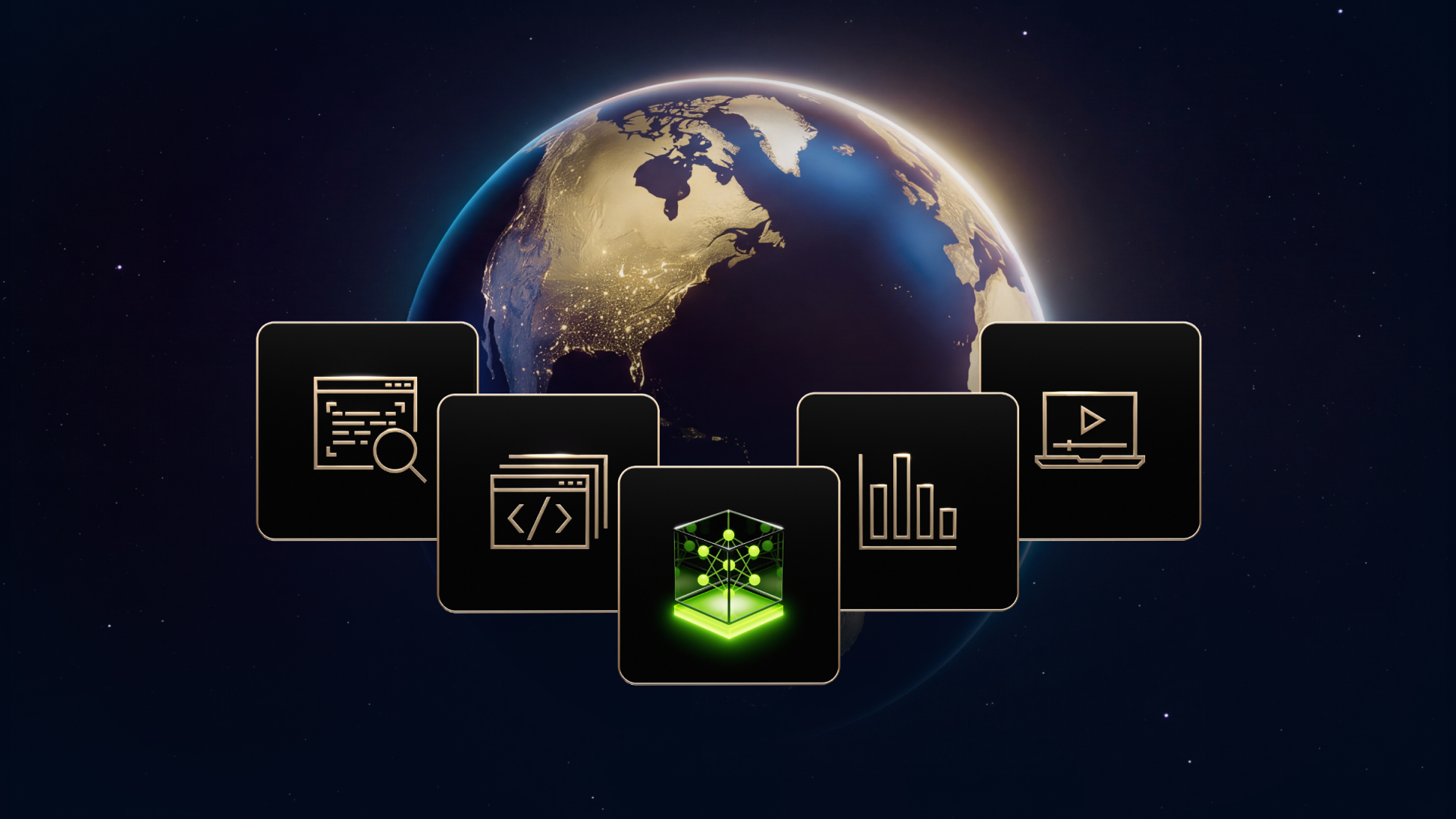
DeepSeek published the weights of DeepSeek-V4.1-Flash-1017 on Oct 17 under the commercial-use MIT license, cla…
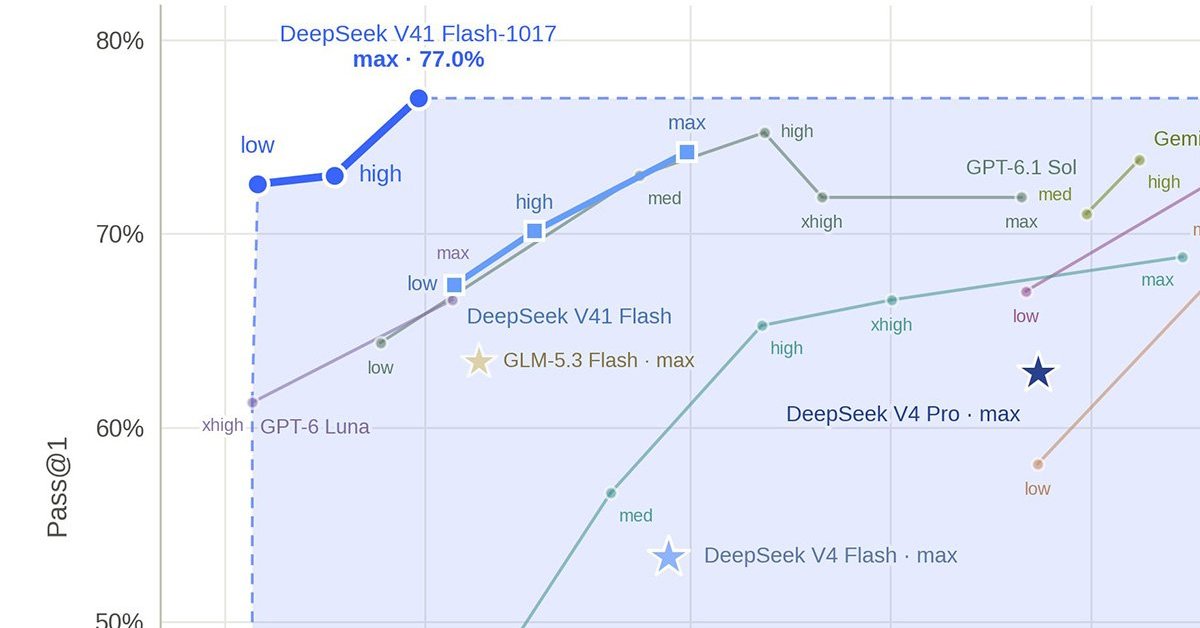
DeepSeek published DeepSeek-V4.1-Flash-1017 on October 17, 2026 as a free, MIT-licensed open model that scored…
China is considering export controls that could check the global spread of its AI models and chips, a former B…
Simon Willison shipped llm-echo 0.5, a debug plugin whose "echo" model involves no LLM at all and just repeats…