What happened
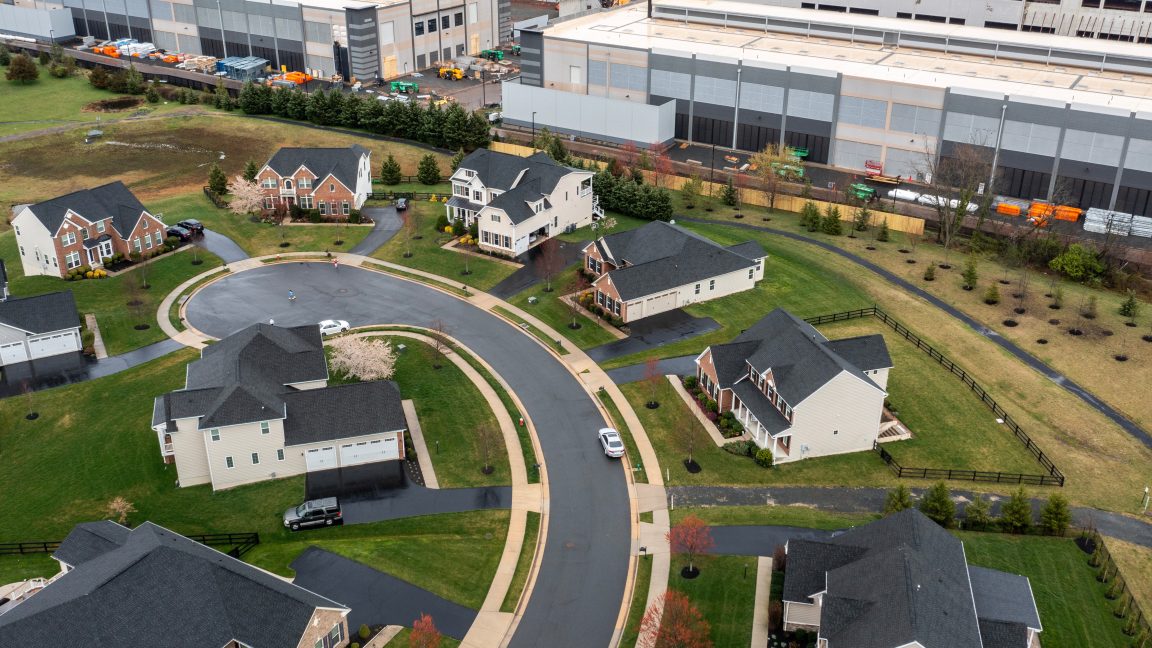
The Trump administration's EPA is considering federal rule changes that could reduce public participation requirements for minor pollution permits—the kind data centers increasingly rely on. Georgia and Kentucky are evaluating whether these changes would override their own stricter state rules, while Texas has already shown what lower engagement looks like as data center construction has driven a private gas plant buildout.
Why it matters
Data center spending now outpaces public transportation infrastructure spending for the first time (as of June), and companies are pushing hard to remove bottlenecks to construction. Weaker permit rules could allow communities to learn about nearby fossil fuel infrastructure only after it is already being installed, as has happened in Texas—limiting their ability to object before permits are finalized.
What to watch
Whether Georgia and Kentucky will preserve their state-level public participation rules despite federal changes, and whether the EPA's stated goal of making the US "the AI capital of the world" leads to looser enforcement in other states that, like Texas, have lower baseline engagement standards.
Ask the AI about this article →
Summaries like this, in your inbox every morning.
Data center development has become a major driver of infrastructure spending and environmental conflict. The article notes that data center construction spending outpaced public transportation infrastructure spending for the first time in June—a stark shift in national priorities that underscores the scale of investment flowing into AI infrastructure. However, this buildout is running up against a legal and political friction point: public participation rules that allow communities to weigh in on permits before they are finalized.
The Trump administration's approach is to reduce that friction at the federal level. The EPA is considering changes to how the public can participate in minor pollution permit decisions, which are the primary mechanism by which data centers and their supporting fossil fuel plants currently get approved. Texas provides a cautionary example: without strong enforcement or public engagement requirements, communities there have found themselves living near substantial gas infrastructure they knew little about until construction was underway.
States are responding with mixed strategies. Georgia and Kentucky, which have passed their own stronger public participation laws, are exploring whether they can maintain those rules even if the federal requirement is loosened. A Kentucky attorney notes an informal commitment to preserve state rules, but acknowledges uncertainty: "Who knows [if] the next administration, whether they would actually change it." This suggests that state-level protections may not be durable if the political wind shifts again.
For example, today's edition would include:
AI-summarized, only the topics you pick — one digest a day via Email, Slack, or Discord.
Free · 30 seconds with Google · unsubscribe anytimeWhat is AIToday? →
Ask AI anything about this article. Q&As are published on this page for other readers too.
The United Arab Emirates said it plans to invest EUR40 billion, or about US$46 billion, in Germany across arti…

After Anthropic CEO Dario Amodei's Sept 12 essay urged AI companies to slow capability improvements, AI-relate…

Investor Michael Burry challenged recent calls by OpenAI, Anthropic and other large AI companies to slow AI de…

Fast Company named Architech to its eighth annual Best Workplaces for Innovators list in AI, marking a second…

The US House of Representatives will this week take up a bill overseeing the data center buildout, and Democra…
China's minister of state security wrote in a weekend essay that AI poses six principal risks, including threa…