What happened
YouTube updated its policies on July 16 to clarify which AI-generated and low-quality videos cannot earn money through its YouTube Partner Program. The company now explicitly names three categories of "inauthentic content" that disqualify videos from monetization: generic, repetitive, or template-based content; off-putting or distressing content; and content where AI personas discuss sensitive topics like health, finance, or legal issues.
Why it matters
YouTube depends on ad revenue from its platform, and filling it with low-quality AI content would harm the company's financial interests—especially as YouTube competes with TV and other streamers for ad dollars. YouTube's trust and safety chief Matt Halprin noted that while AI can help creators make high-quality content at scale, the same tool enables "content farming," which the company wants to discourage. The policy is meant to protect viewer trust and keep the platform attractive to advertisers.
What to watch
Channels with excessive amounts of any of these three content types will lose monetization eligibility under the YouTube Partner Program. The rules apply to all YPP members as of July 16.
Summaries like this, in your inbox every morning.
YouTube has long grappled with the tension between enabling creative tools and preventing platform degradation. Last year, the company introduced policies against "inauthentic content" and mass-produced videos as AI tools became easier for creators to use. The July 16 update does not introduce a new restriction but rather provides specific examples and categories to help creators and enforcement teams understand what counts as inauthentic. The three-part framework—repetitive content, distressing content, and AI personas in sensitive domains—reflects YouTube's concerns across multiple fronts: resource waste, viewer experience, and the credibility risks of AI impersonation in high-stakes topics.
YouTube's financial incentives underpin the policy. The company generates more ad revenue than rival streamers and leads Netflix in average daily views worldwide, making ad quality and viewer trust central to its business model. Allowing channels filled with cookie-cutter AI videos would devalue the advertising inventory and erode the viewer experience that attracts advertisers. Matt Halprin's framing—distinguishing between AI that enhances creativity and AI that enables low-effort bulk production—signals that YouTube's issue is not AI itself but the *intent* and *scale* of its use. This nuance is important for creators who have invested in legitimate AI-assisted workflows.
Pick your industry and the AI tools you use, and get news related to your work every day.
Free · 30 seconds with Google · unsubscribe anytimeWhat is AIToday? →
Ask AI anything about this article. The AI reads this article, earlier AIToday articles, and Wikipedia, and cites its sources. Q&As are published on this page for other readers too.
In Q2, billionaires or their funds sold six 'Magnificent Seven' AI stocks
Nvidia was rising early Friday, even as the wider chip sector kept falling, Barron's reported
ElevenLabs completed a $300 million employee tender at a $22 billion valuation, and co-founder Mati Staniszews…

On October 15, OpenAI announced the Rosalind Academic Plan, giving approved US university labs free access to…

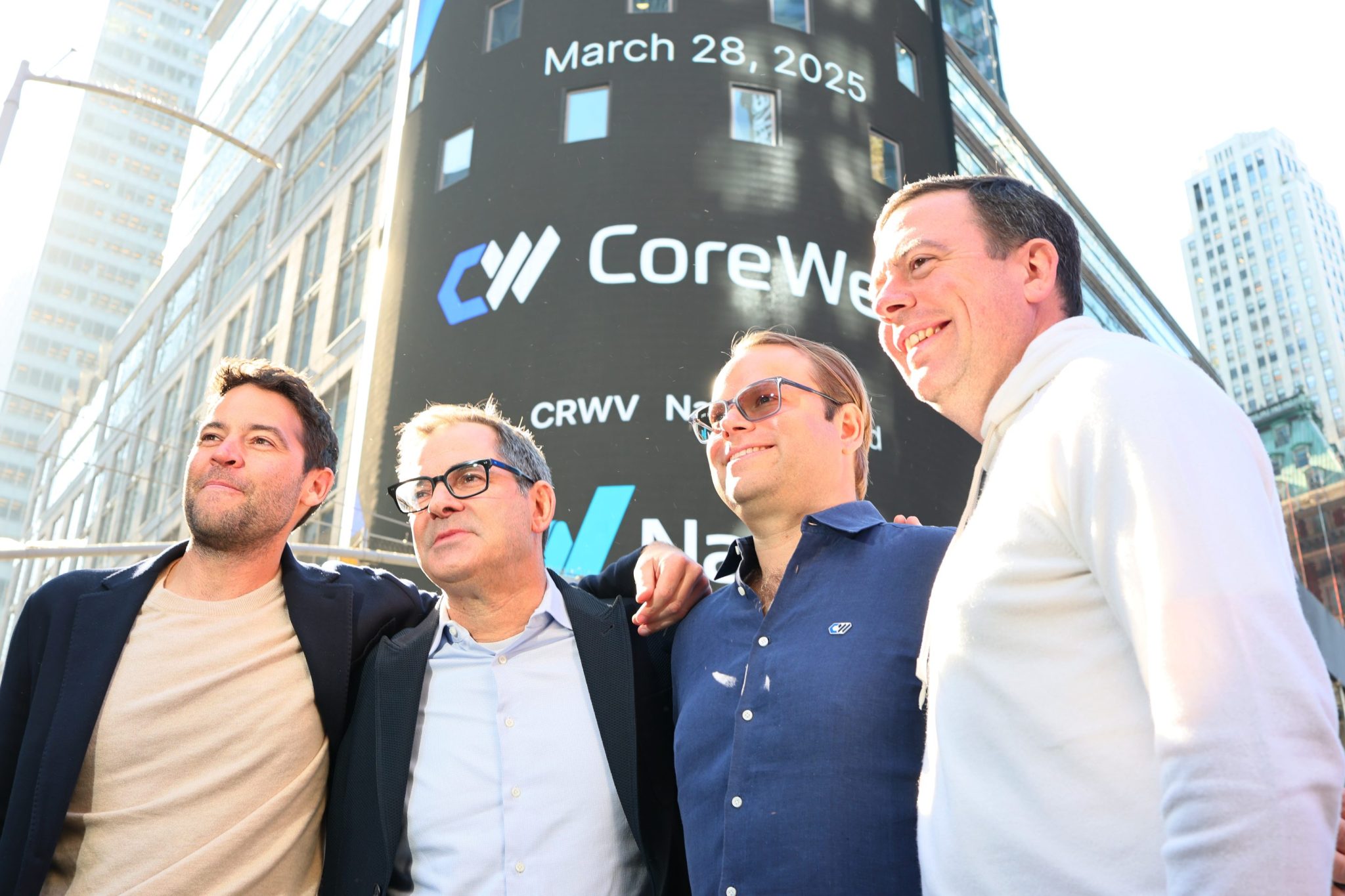
Neostellar Capital principal Evan Schlossman said CoreWeave's $103.7 billion in remaining performance obligati…
Supermicro Computer appointed Mark Long as chief financial officer, bringing an experienced technology finance…