What happened
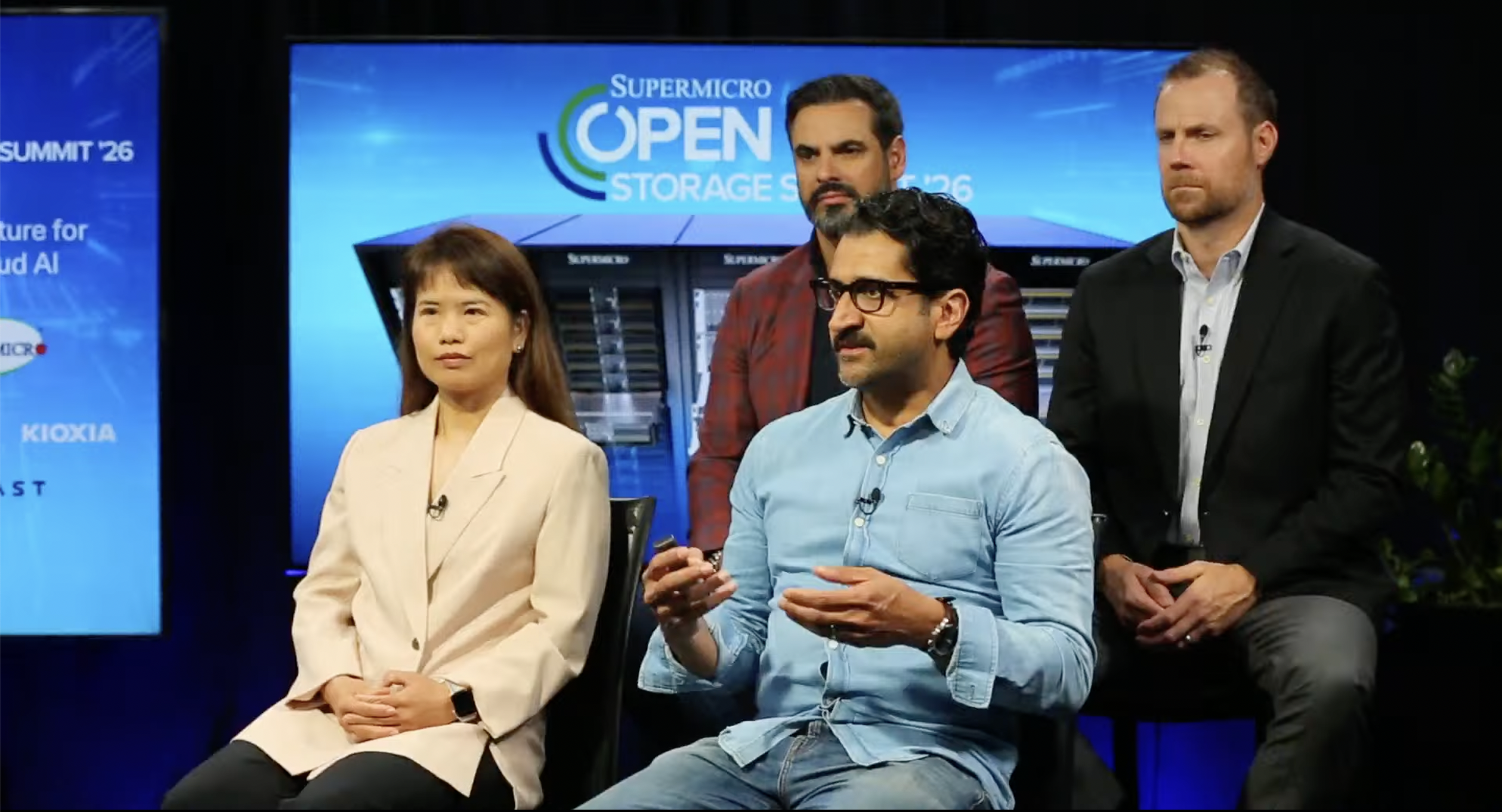
Industry leaders from Super Micro Computer, Vast Data, Kioxia, and Crusoe discussed how AI-first cloud providers (neoclouds) are reshaping enterprise infrastructure by deploying systems optimized for inference workloads closer to end users, leveraging disaggregated storage architectures and flash memory to improve latency and efficiency.
Why it matters
Neoclouds avoid the legacy technical debt of traditional hyperscalers by being purpose-built for AI from the start. As agentic AI moves into production and inference becomes the dominant workload, organizations seeking to scale AI efficiently are increasingly turning to these specialized providers rather than retrofitting aging architectures.
What to watch
Memory and storage remain the two biggest constraints on agentic AI deployment. High-capacity quad-level cell technology and liquid cooling are emerging as solutions, while the combined demand for flash production and enterprise SSDs now exceeds demand from mobile and client applications for the first time, years earlier than expected.
Summaries like this, in your inbox every morning.
The emergence of neoclouds represents a fundamental shift in how enterprises approach AI infrastructure. Rather than adapting decades-old cloud architectures to AI's unique demands, these new providers are building from scratch with AI as the core design principle. This difference has material consequences: hyperscalers carry what panelists call "technical debt"—legacy systems and redundant services that add complexity without serving AI workloads. Neoclouds eliminate that friction by offering streamlined, purpose-built designs that can scale more efficiently.
The shift from training to inference as the dominant workload has accelerated this transition. Inference demands are different from training: they prioritize low latency and consistent performance, which benefits from infrastructure deployed closer to end users. This architectural preference, combined with the specialized requirements of agentic AI systems, has opened space for new partnerships. Crusoe's collaboration with Vast Data (for storage architecture), Kioxia (for flash memory and SSDs), and Super Micro Computer (for hardware design) shows how neoclouds are assembling best-of-breed components rather than trying to own every layer of the stack. The byproduct is validation of the "you cannot run AI on legacy architectures" thesis—a statement that would have been dismissed as niche just years ago.
Pick your industry and the AI tools you use, and get news related to your work every day.
Free · 30 seconds with Google · unsubscribe anytimeWhat is AIToday? →
Ask AI anything about this article. The AI reads this article, earlier AIToday articles, and Wikipedia, and cites its sources. Q&As are published on this page for other readers too.

