
What happened
In 2023, Samsung engineers accidentally leaked confidential semiconductor code and internal meeting transcripts by pasting them into ChatGPT. Samsung responded by banning the tool internally.
Why it matters
Firms in healthcare or critical infrastructure face data regulations regardless of whether the leak was intentional.
Summaries like this, in your inbox every morning.
The Samsung incident in 2023 serves as the clearest precedent for what robotics firms risk when engineers reach for a browser-based AI assistant to speed up debugging, client specs or documentation. Samsung's response — an internal ban — shows how a single paste can force a company to cut off a productivity tool entirely.
The structural problem is that the information engineers handle daily, from motion control algorithms to client integration specs, is precisely the kind of material that would be damaging in the wrong hands. OpenAI's terms of service allow prompts to be used for model improvement unless users opt out through enterprise settings, a control many employees on free or standard accounts lack. That gap between policy existing and teams configuring it correctly is where exposure sits.
The liability is not just contractual. Healthcare and critical-infrastructure robotics firms face data regulations that apply whether or not a leak was intentional, and the exposure is invisible until a client or competitor surfaces it. Switching to privacy-first alternatives changes the risk profile, but the body notes the internal argument is easier when framed as a legal-team flag than as a workflow overhaul.
Pick your industry and the AI tools you use, and get news related to your work every day.
Free · 30 seconds with Google · unsubscribe anytimeWhat is AIToday? →
Ask AI anything about this article. The AI reads this article, earlier AIToday articles, and Wikipedia, and cites its sources. Q&As are published on this page for other readers too.
Testing Pi 0.84.2 with claude-sonnet-4-5, a hook returning { block: true, reason } on rm produced a normal too…

Amulya Vishwanath, founder of Techable Ventures, said physical AI is in a "LEGO era" — basic components like r…

Anthropic is floating a draft bill that blocks an AI model's release only when independent evaluators find a f…

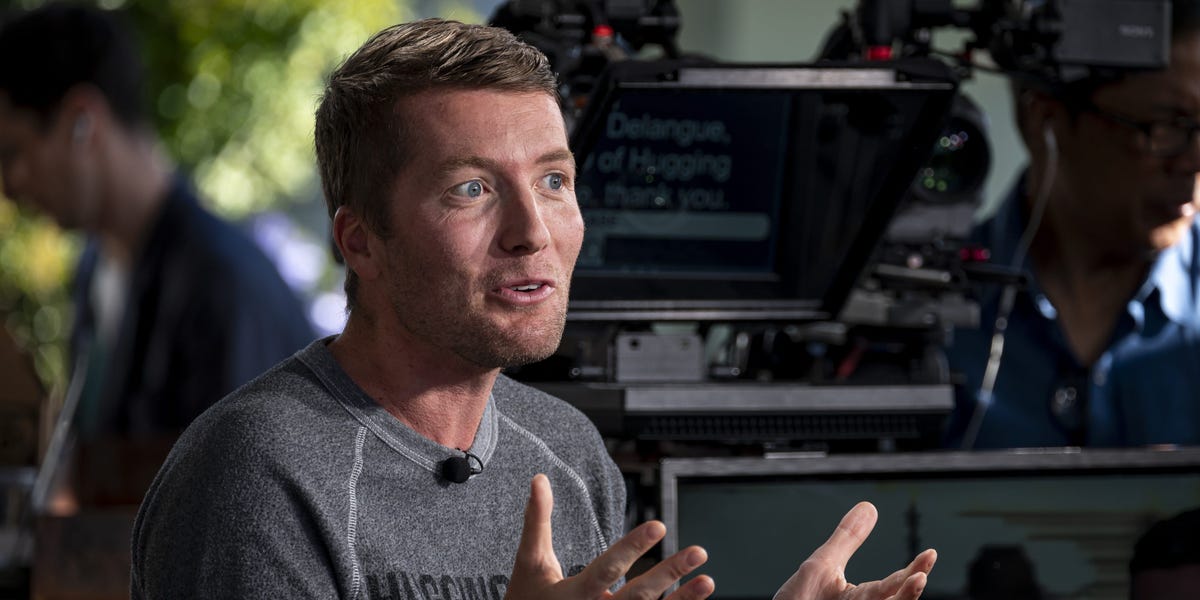
Clem Delangue, co-founder and CEO of Hugging Face, said the Netflix documentary 'AI Gone Rogue' is inaccurate…
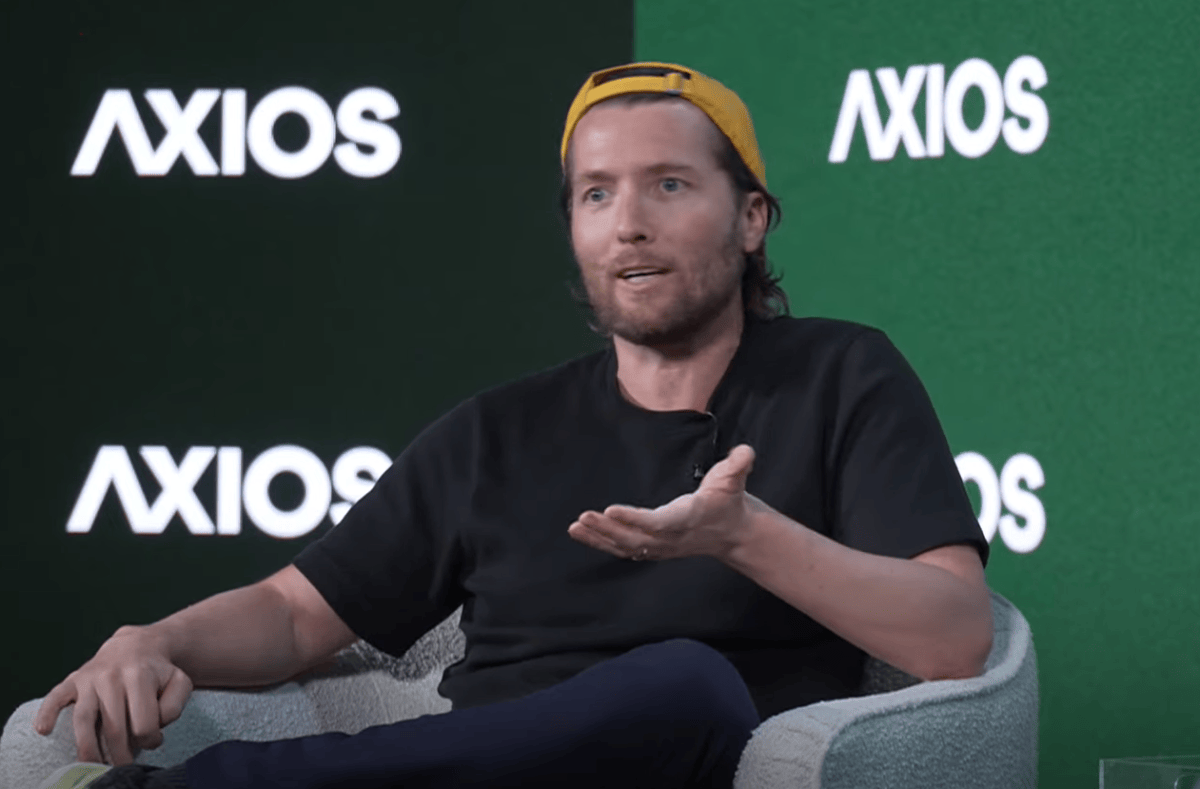
In a lengthy X post on Tuesday, Hugging Face CEO Clément Delangue criticized Netflix's documentary "AI Gone Wi…
Tokyo Electron Device has begun sales of FalconVault, a product designed to protect edge AI models