
What happened
Snowflake released Observe, an AI site reliability engineering (SRE) tool that combines unified telemetry storage, a context graph modeling service relationships, and an AI layer. Observe customers achieved troubleshooting speedups of 3x–10x, with 30% of interactions showing more than 5x improvement and 5% exceeding 10x improvement, based on Observe's analysis of 3,163 AI SRE conversation spans from October to November 2025.
Why it matters
Engineering teams currently spend 10 minutes to detect a complex incident, 120 minutes to investigate, 15 minutes to remediate, and 370 minutes on root cause analysis—with only 30% completion—because telemetry data is siloed across tools and modern systems have complex dependencies. Most existing AI SRE tools bolt AI onto architectures not designed to support it, causing critical information to be missed. Observe is built with all three layers (storage, context graph, AI) from the start, allowing the AI to operate on complete telemetry and understand how services relate.
What to watch
A location intelligence company reported Observe's AI SRE and MCP Server could transform incident investigation; a sports and entertainment operator saw proactive reliability benefits; an automotive SaaS provider cut incident investigation time from over three hours to minutes, with fewer escalations and faster ticket resolution across teams.
Summaries like this, in your inbox every morning.
Incident investigation has become a bottleneck for engineering teams even as data volume has grown. The article identifies three structural reasons: telemetry data outpaced legacy observability platforms' capacity, modern systems have more complex dependencies due to microservices, and root cause expertise is concentrated in a small number of engineers. The investigation process itself—navigating traces, analyzing logs across time windows, and synthesizing findings across services—resists easy automation.
Observe addresses this by rejecting the "AI layer bolted on top" approach. Instead, it builds three layers in tandem from the ground up. The unified telemetry storage removes data silos that cause teams to query multiple tools and write custom queries manually. The context graph adds semantic structure so the AI understands not just what happened but why and where else it connects. The AI SRE then operates on both, using agent-optimized interfaces designed for the underlying architecture rather than generic chat. The largest gains cited in the article came from investigations that required synthesizing large volumes of data across multiple sources quickly—exactly the workload where a unified platform with context relationships provides the most advantage. Real customer examples span location intelligence, sports and entertainment, and automotive SaaS, suggesting the speedup holds across diverse technical stacks.
Pick your industry and the AI tools you use, and get news related to your work every day.
Free · 30 seconds with Google · unsubscribe anytimeWhat is AIToday? →
Ask AI anything about this article. The AI reads this article, earlier AIToday articles, and Wikipedia, and cites its sources. Q&As are published on this page for other readers too.
In Q2, billionaires or their funds sold six 'Magnificent Seven' AI stocks

Nvidia was rising early Friday, even as the wider chip sector kept falling, Barron's reported
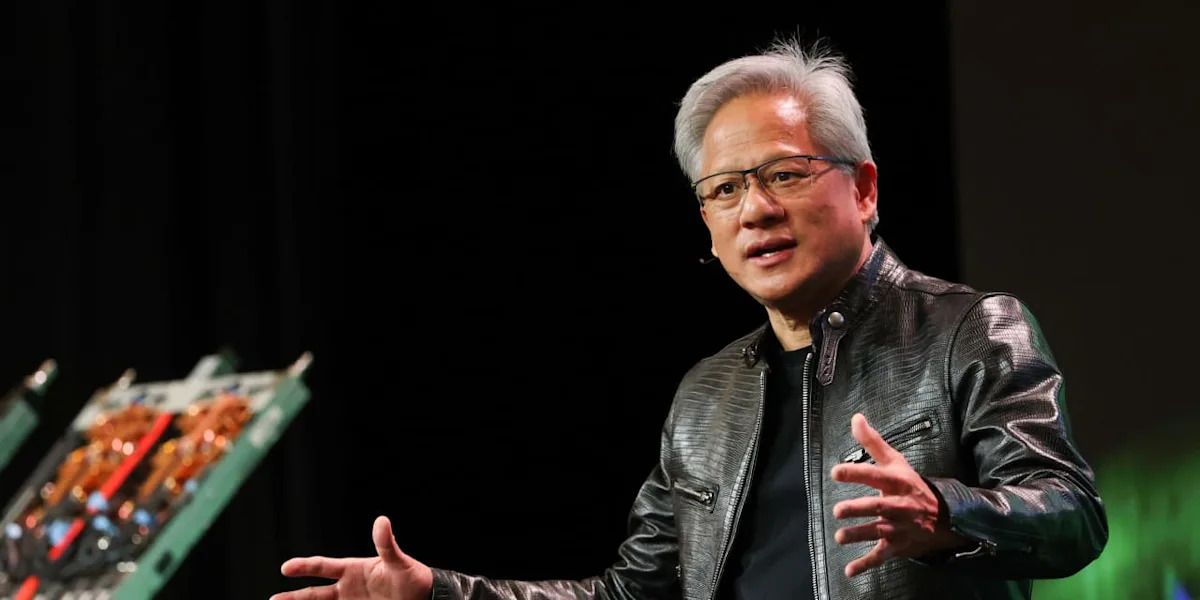
ElevenLabs completed a $300 million employee tender at a $22 billion valuation, and co-founder Mati Staniszews…

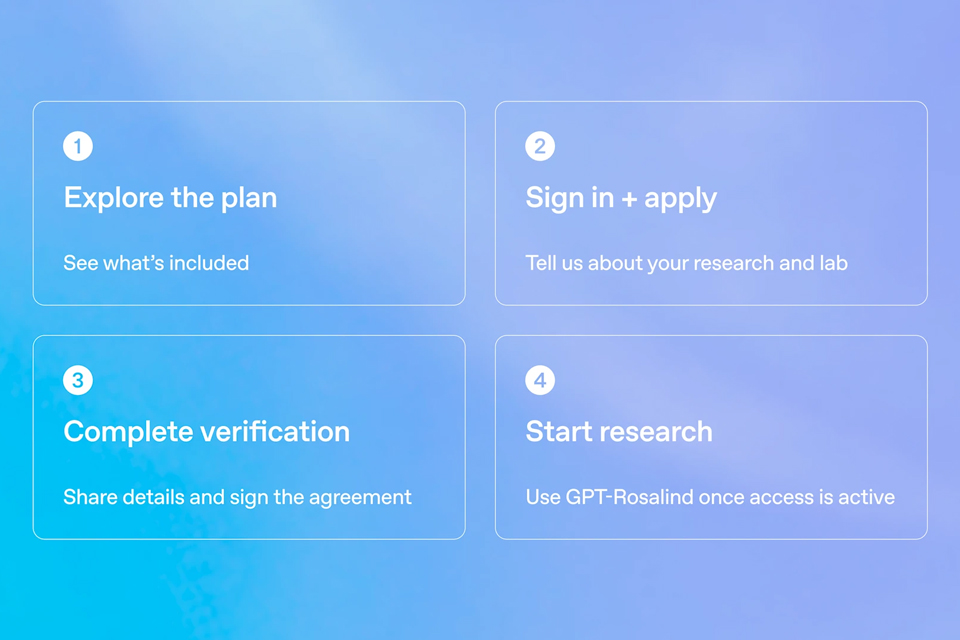
On October 15, OpenAI announced the Rosalind Academic Plan, giving approved US university labs free access to…
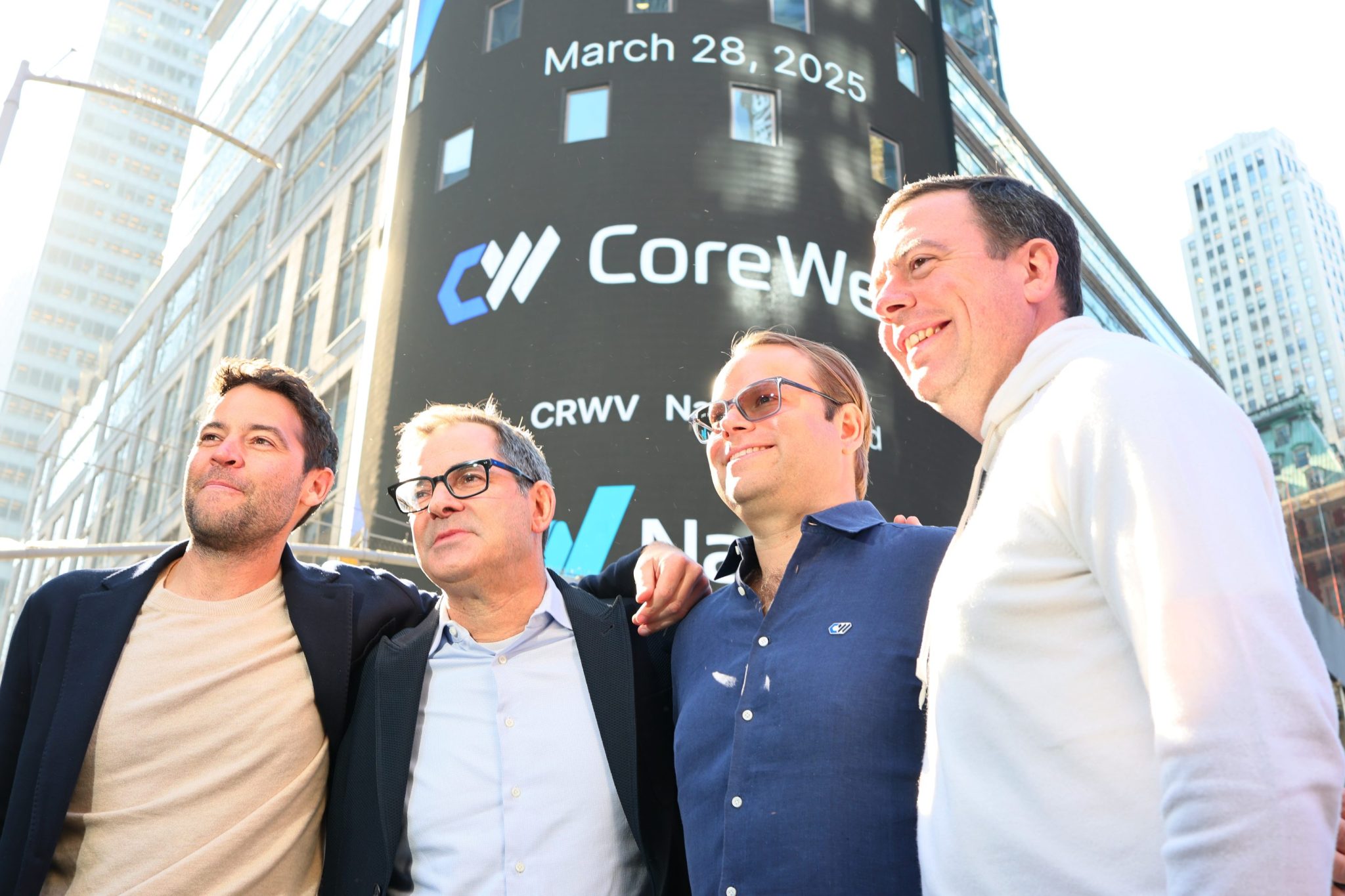
Neostellar Capital principal Evan Schlossman said CoreWeave's $103.7 billion in remaining performance obligati…
A Qiita article compared automated red-teaming methods for LLM apps — GCG, PAIR, and TAP — using mock implemen…


