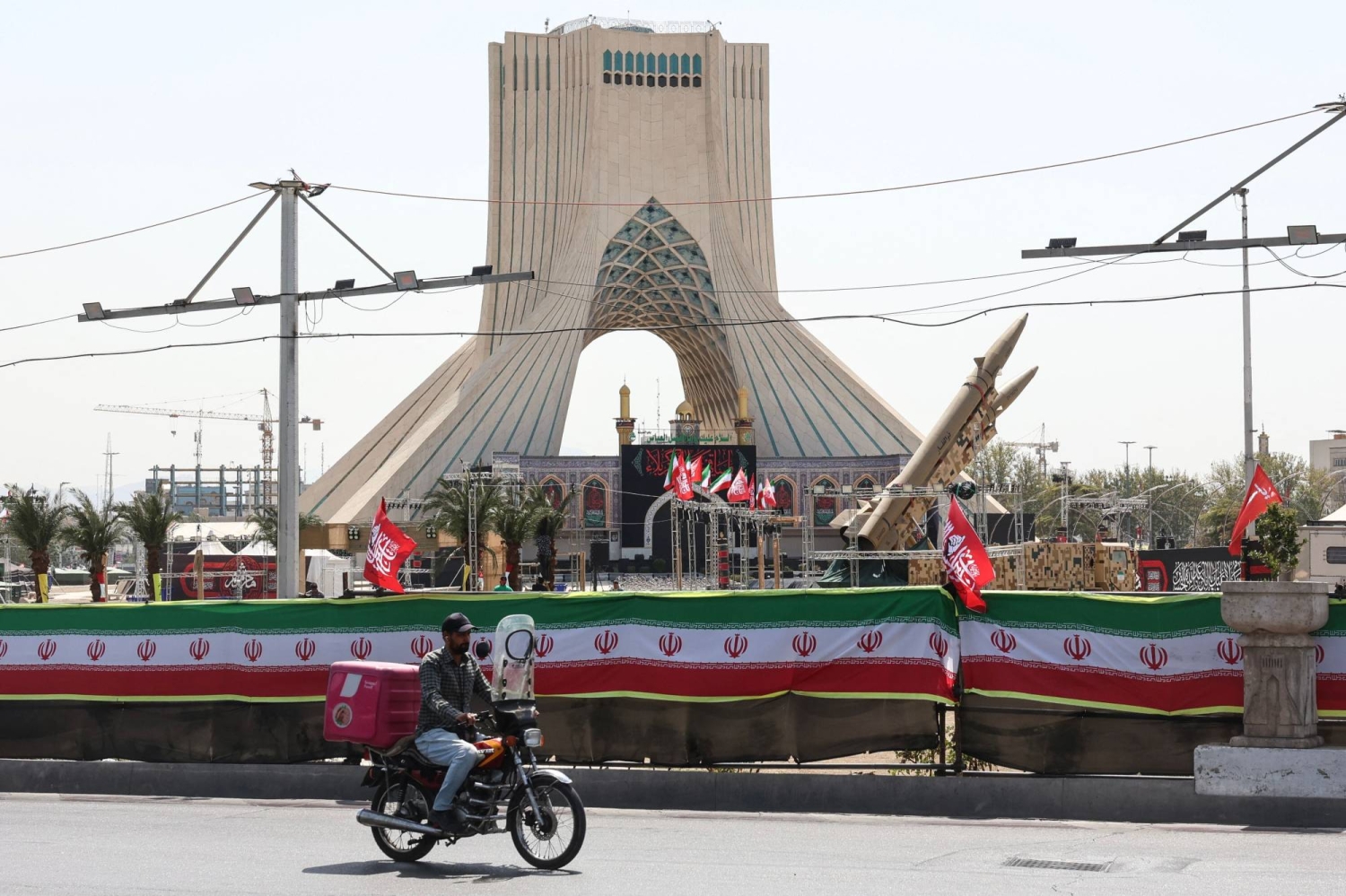
The United States has paused military strikes against Iran for a second consecutive night after conducting 13 straight nights of attacks on Iranian military capabilities related to commercial shipping threats. Iran's military confirmed it has halted retaliatory strikes in response. The pause comes as Oman facilitates talks between the two countries over the Strait of Hormuz, though the U.S. has not publicly explained the reasons for the pause or outlined its next steps, leaving uncertainty about President Trump's strategy.
Summaries like this, in your inbox every morning.
Sign up free →What happened
The U.S. paused strikes against Iran for a second night after 13 consecutive nights of attacks aimed at degrading Iran's ability to attack commercial shipping. Iran's army said Tehran had halted its retaliation, and the two countries held talks with Oman over the Strait of Hormuz.
Why it matters
The pause signals a potential shift in escalation between the U.S. and Iran after a sustained two-week campaign. Iran's army spokesman warned that if the U.S. continues airstrikes, "the geography of the war will expand," suggesting the conflict could widen beyond current bounds.
What to watch
President Donald Trump's next move remains unclear—the U.S. has not publicly explained the pause or announced conditions for resuming or halting strikes. The outcome of Oman's mediation over Hormuz access will likely shape whether the pause holds.
The United States conducted 13 consecutive nights of strikes against Iran aimed at degrading the Islamic Republic's capacity to threaten commercial shipping lanes. Starting late Friday, the U.S. halted this campaign without public explanation or announcement, raising questions about President Donald Trump's strategic intentions. Simultaneously, Iran's military confirmed that Tehran had ceased retaliatory attacks as a result of the American pause.
Oman has stepped in as a mediator, holding talks with both nations over access to and security in the Strait of Hormuz—one of the world's most critical shipping passages. The involvement of a neutral party suggests both sides recognize the risks of uncontrolled escalation in a region vital to global energy and trade flows.
Iran's army spokesman Mohammad Akraminia addressed the pause on state television, signaling that Tehran was not capitulating but rather pausing in kind. "The U.S. may have devised other scenarios for the coming days, but the current situation is not what they desire," he said. He added a conditional warning: "If the Americans insist on continuing the war and airstrikes, the geography of the war will expand." This framing treats the pause as temporary and leaves open the possibility that Iran could escalate the conflict geographically if the U.S. resumes strikes or if negotiations stall.
The mutual pause marks a de-escalation after two weeks of sustained military action centered on protecting or disrupting shipping through the strategically vital Strait of Hormuz. The U.S. campaign explicitly targeted Iran's capacity to threaten commercial vessels, a significant chokepoint for global oil and trade. Iran's decision to halt retaliation—stated formally by its army rather than merely implied—suggests both sides may be recalibrating rather than locked in uncontrolled escalation. The involvement of Oman as a neutral mediator reflects the region's concern that further escalation could destabilize critical shipping lanes and energy supplies.
The lack of any public U.S. statement explaining the pause or setting conditions for future action creates ambiguity about whether this is a tactical breathing space, a signal of willingness to negotiate, or a shift in Trump administration strategy. Iran's spokesman's conditional warning—that the war's geography will expand if strikes resume—frames the pause as temporary and contingent, implying Tehran retains the option to expand the conflict if talks fail or the U.S. resumes operations.
AI-summarized, only the topics you pick — one digest a day via Email, Slack, or Discord.
Free · takes 30 seconds · unsubscribe anytime
No discussion yet for this article
Get curated AI news from 200+ sources delivered daily to your inbox. Free to use.
Get Started FreeFree · takes 30 seconds · unsubscribe anytime
