What happened
Walden Robotics emerged from stealth today with $300 million(約480億円) in funding and a $1.1 billion(約1800億円) valuation. The company, spun out from Toyota Research Institute in January and led by MIT professor Russ Tedrake, is building general-purpose robots that continuously learn while performing real work. Since February, the robots have been deployed at a Toyota plant in North America, handling production manufacturing and logistics tasks.
Why it matters
Walden's approach combines large behavior models with real-world deployment, aiming to address labor shortages and demographic shifts across industries including automotive, aerospace, semiconductors, electronics, and life sciences. The company builds its own full stack—hardware, software, and AI—rather than relying on off-the-shelf technology, positioning it to deliver immediate customer value while improving through operational learning.
What to watch
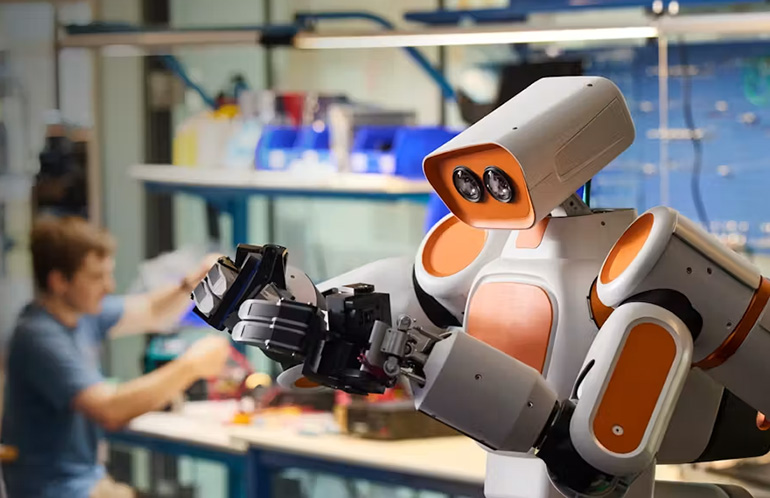
Toyota Motor Corp., Toyota Invention Partners, and Toyota Ventures led the round alongside NVIDIA, Boeing, and others. The robots feature a humanoid torso with two arms and a wheeled base, designed to make factory safety certification easier. Tedrake said the company will share more details on its training methodology soon.
Summaries like this, in your inbox every morning.
Walden Robotics represents a convergence of academic robotics research and manufacturing operations, with Russ Tedrake bringing a decade of research from MIT and Toyota Research Institute into a commercially-focused startup. The company's emphasis on deployment in real production environments rather than laboratory settings marks a shift in how physical AI companies are approaching the market. By building the full stack in-house and working closely with Toyota—which spun out the company in January—Walden is positioning itself to avoid the gap between research capability and practical manufacturability that has constrained earlier generations of robotics startups.
The rapid deployment timeline is notable: robots were moved from initial pilot to production manufacturing tasks at a Toyota plant in under two months, suggesting that Walden's technology stack has already achieved sufficient maturity to deliver measurable value. Toyota's continued investment and strategic partnership, evident in the company's participation as co-lead of the funding round, signals confidence that Walden's approach aligns with real manufacturing needs. The robot's design—a humanoid torso with two arms and a wheeled base—was chosen partly for practical factory safety certification, reflecting Tedrake's stated commitment to pragmatism and respect for how manufacturing actually works today.
Pick your industry and the AI tools you use, and get news related to your work every day.
Free · 30 seconds with Google · unsubscribe anytimeWhat is AIToday? →
Ask AI anything about this article. The AI reads this article, earlier AIToday articles, and Wikipedia, and cites its sources. Q&As are published on this page for other readers too.
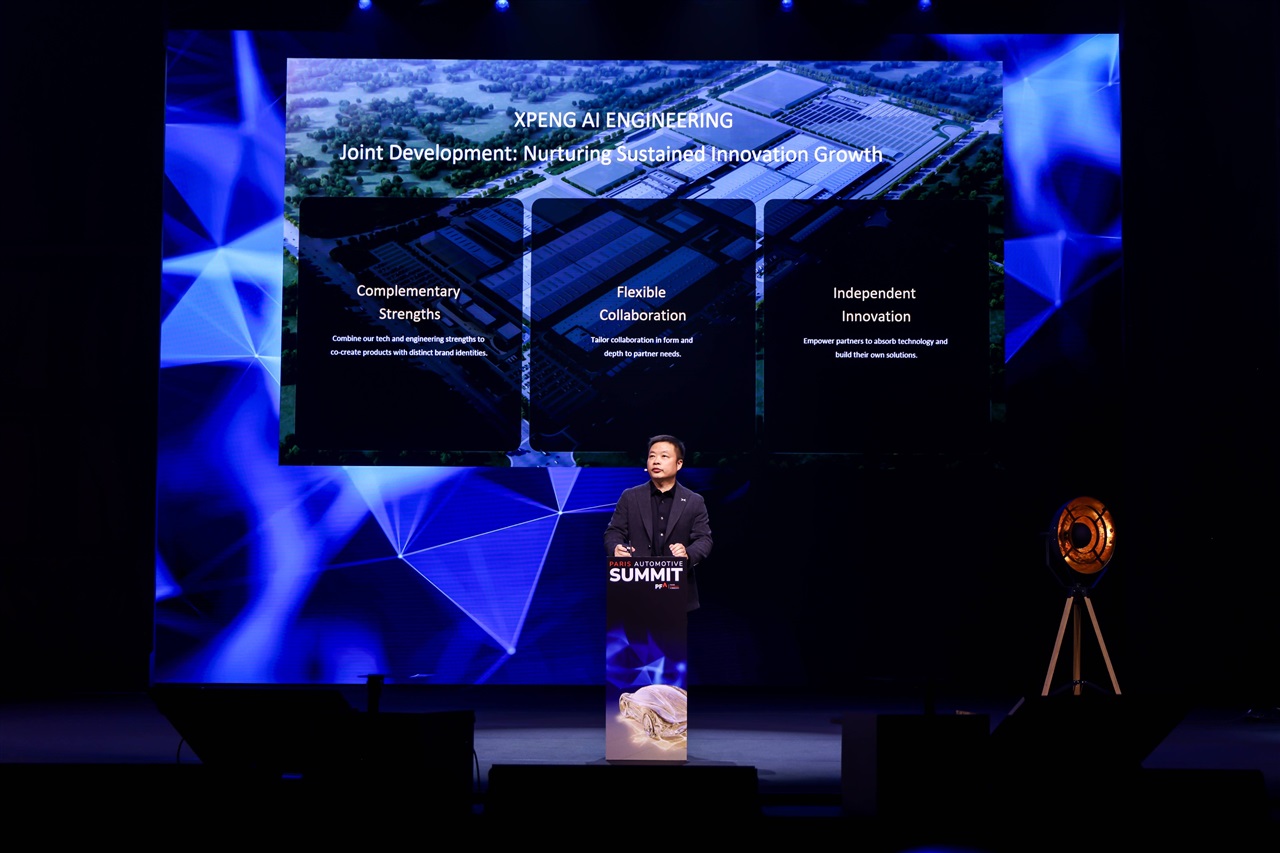
XPeng appeared at the Paris Automotive Summit, presenting not only automotive expertise but a broader technolo…
Itaú's ia.i, a text- and voice-activated assistant spanning accounts, credit, cards and insurance, reached abo…
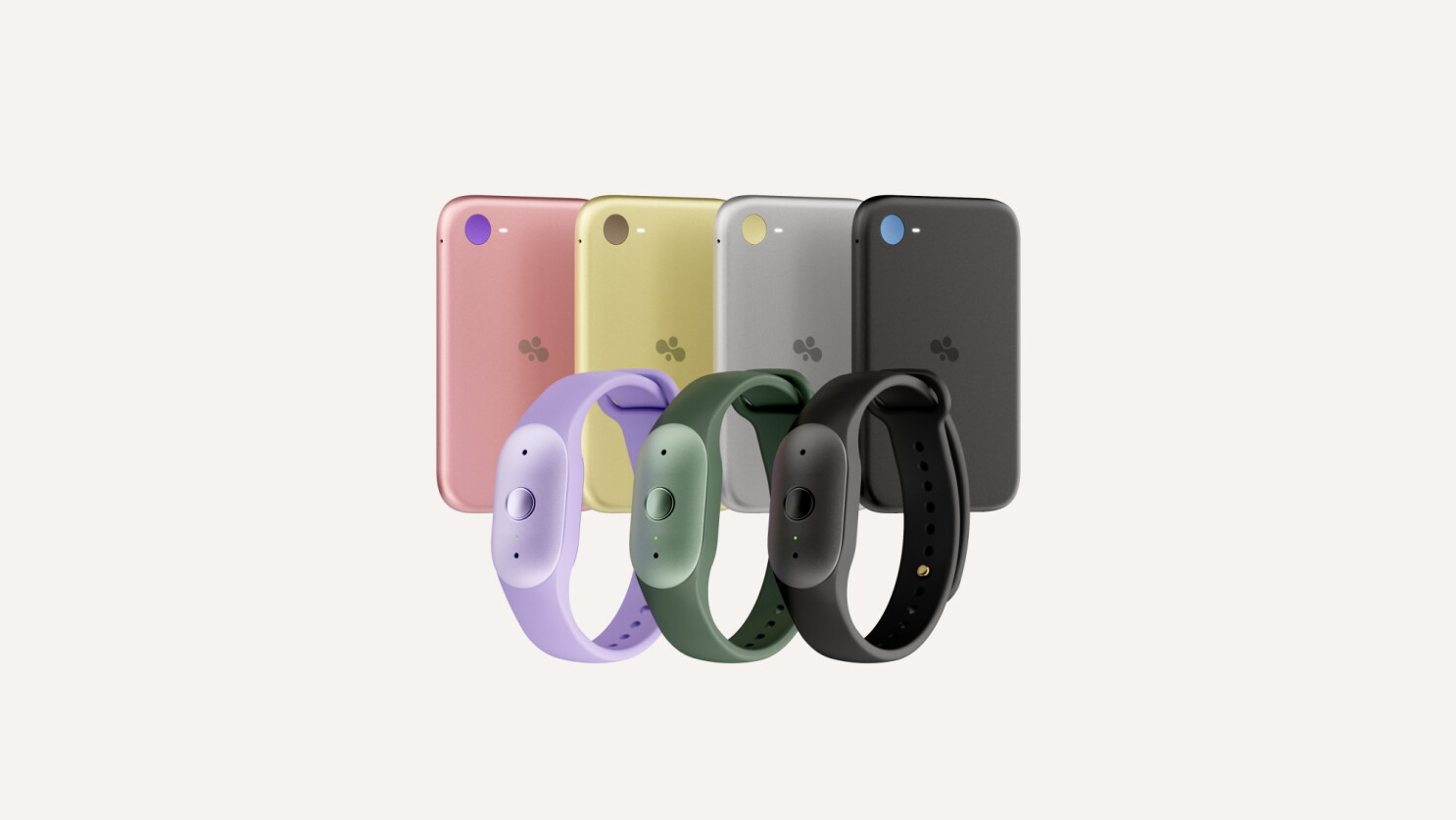
Amazon introduced Bee Frontier, a wearable personal AI, for $74.99 in Onyx, Lavender and Sage, and Bee Eclipse…
Wall Street ended down sharply, with worries about the AI trade and high oil prices weighing on the market

Citi has become the latest US bank to restrict AI agents from accessing accounts, per the Financial Times

AI-related stocks faced heavy selling pressure on concerns over capital expenditure levels and slowing revenue…