Emerging Robotics has released Gorai, an open-source robotics framework that treats robots as distributed systems and packages them as single, self-contained Go binaries deployable to Linux boards like Raspberry Pi.
Built for AI-first autonomy, it embeds NATS service discovery, enforces safety at the capability layer, and eliminates the need for containers or external brokers—targeting software-first teams and AI practitioners who want to ship autonomous systems in days rather than months.
What happened
Emerging Robotics released Gorai, a new open-source robotics platform written in Go that treats robots as distributed systems and deploys as a single static binary. It uses NATS (a message broker) embedded in the binary for service discovery and component communication, eliminating the need for containers, Kubernetes, or external services.
Why it matters
Gorai targets software-first teams and AI practitioners building autonomous robots without deep robotics infrastructure expertise. By adopting a capability model compatible with AI agents and treating safety enforcement at the component level rather than trusting agent execution alone, it aims to make prosumer robotics (marine monitoring, drones, land vehicles) more accessible—productive in days rather than months—while remaining deployable to a Raspberry Pi or Orange Pi with no external dependencies.
What to watch
Gorai is positioned as complementary to ROS 2 (which serves enterprise/research robotics); it targets prosumer and software-first teams instead. Full documentation and a 20-chapter design guide are available in the gorai-docs repository; requires Go 1.25+ to build and includes an optional NATS CLI for debugging live robot meshes.
Ask the AI about this article →
Robotics has historically demanded deep infrastructure expertise—middleware, simulation, SLAM libraries, and control architecture knowledge—making it inaccessible to software teams and AI practitioners building autonomous systems. Gorai addresses this gap by adopting principles from distributed-systems engineering (service discovery, health checks, replay) and applying them to robotics. The choice of Go as the platform language is deliberate: a single static binary eliminates runtime dependency resolution, version conflicts, and deployment friction. By embedding NATS as the service mesh and making AI-agent capability surfaces a native concern, Gorai signals a strategic shift in robotics toward physical AI—systems where autonomy, perception, and task selection are learned or agentic rather than hand-authored.
The framework explicitly does not attempt to replace ROS 2, which dominates enterprise and academic robotics. Instead, it targets prosumer teams (marine monitoring, autonomous surface vessels, land robots) and AI-first organizations scaling from one robot to fleets. This positioning reflects a recognition that the future robotics market is fragmenting: enterprise research robotics still demands ROS 2's ecosystem depth, while the next wave of AI-driven autonomous systems will be built by teams whose primary expertise is software and machine learning, not robotics infrastructure.
For example, today's edition would include:
AI-summarized, only the topics you pick — one digest a day via Email, Slack, or Discord.
Free · takes 30 seconds · unsubscribe anytimeWhat is AIToday? →
Ask AI anything about this article. Q&As are published on this page for other readers too.
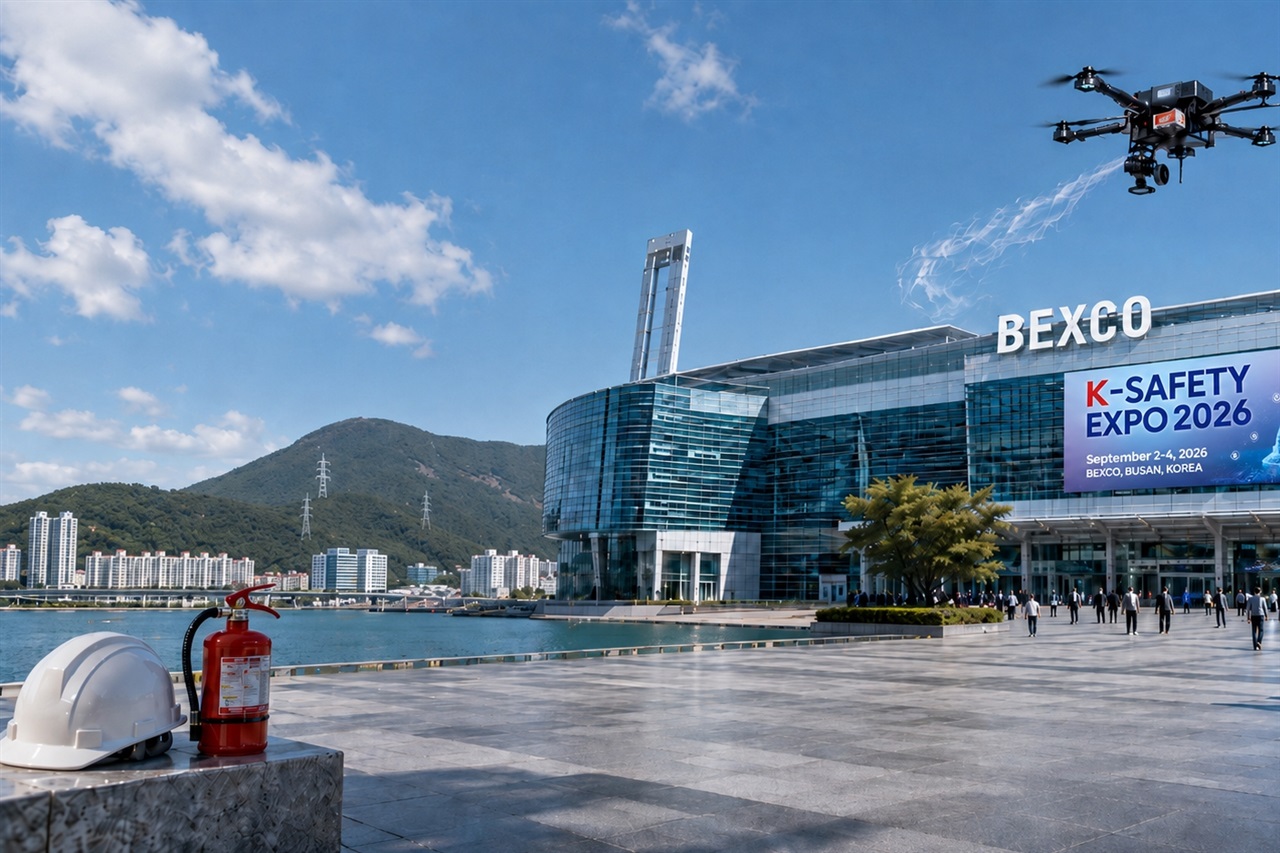
K-Safety Expo 2026 will be held at BEXCO in Busan from September 2–4, featuring AI, robots, sensors, and conne…
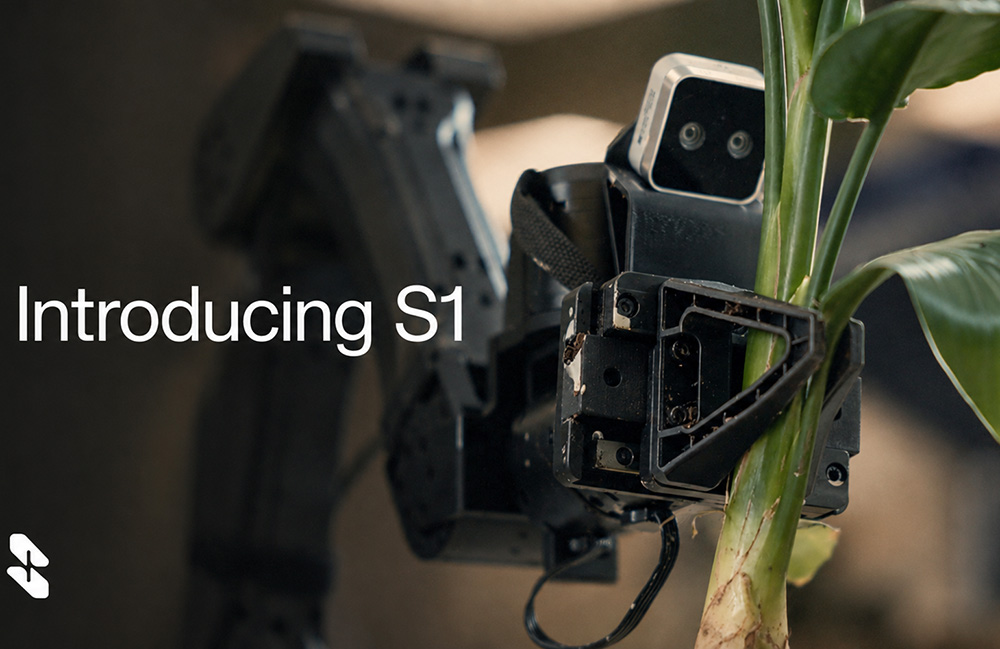
Skild AI has introduced S1, its flagship robot foundation model, which lets robots learn new, complex tasks by…
BHP, the world's largest mining company by market capitalization, has deployed AI across its operations

John Deere announced a three-year, $10 million research and development partnership with ag-tech company Reser…

On July 16, 2026, NVIDIA announced that 22 Japanese companies and organizations have expressed intent to join…
Panasonic HD has established a new AI and robotics research and development division, and CAIO Sakaba is leadi…