What happened
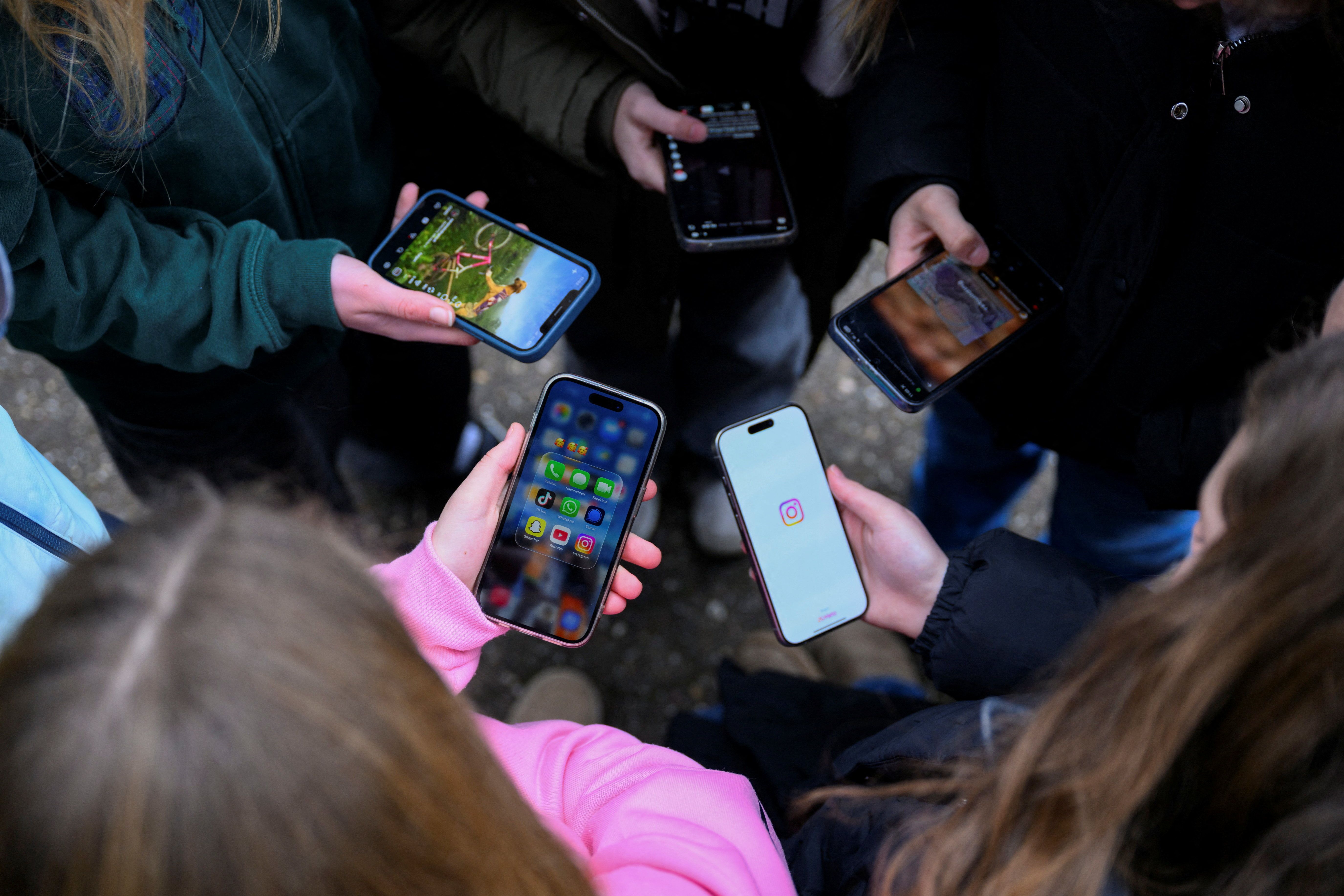
Meta's addiction trial began in Oakland on Tuesday as critics pursue legal action over how social platforms keep teen users engaged. On the same day, OpenAI launched ChatGPT for Teens with guardrails on self-harm and eating disorder content, plus a Study Mode feature that encourages understanding rather than providing direct answers.
Why it matters
The legal pressure targets screen-based social media at the moment the industry is shifting toward background AI—agents that summarize email or perform household tasks without requiring constant attention. Regulators and courts are pursuing accountability for an older generation of products even as tech and teen behavior have already moved beyond them.
What to watch
Teen sentiment toward AI is hardening; nearly half of US adults aged 18 to 29 now believe AI does more harm than good, up from 27% in 2024, according to a recent Gallup poll. Luddite clubs are emerging on college campuses, and even non-tech products—like an animated movie released in China this week that explicitly avoided AI in favor of amateur 3D modeling—are gaining traction by rejecting AI entirely.
Summaries like this, in your inbox every morning.
The Meta trial unfolding in Oakland this week represents the culmination of years of criticism over how social platforms engineer engagement and keep teenagers scrolling. The case distills a central accusation: that companies deliberately use design strategies to sustain teen attention on feeds, treating engagement as the primary metric and addiction as an acceptable byproduct. Yet the timing reveals a fundamental mismatch between legal accountability and technological reality. The industry has already begun retreating from screen-based interaction, redirecting investment toward AI agents that operate invisibly—summarizing messages, organizing tasks, potentially automating household work—where the addiction mechanics of a endlessly-scrolling feed no longer apply.
Parallel to this structural shift is a sharp reversal in how young people themselves perceive AI. The same Gallup data showing nearly half of young adults now view AI as harmful (up from 27% just a year prior) suggests that the cultural moment for AI enthusiasm among teens has already peaked. Luddite clubs on college campuses and the commercial success of a non-AI animated film in China—produced by an amateur mother-son duo rather than algorithmic generation—point to a genuine backlash. This means that even as tech companies face court pressure over the social harms of past platforms, they are simultaneously encountering skepticism about the technological direction they are pivoting toward. The Big Tobacco litigation may vindicate critics on the specifics of screen-based social media, but by then the industry's centers of gravity will have shifted elsewhere—and teen behavior will have shifted along with it.
Pick your industry and the AI tools you use, and get news related to your work every day.
Free · 30 seconds with Google · unsubscribe anytimeWhat is AIToday? →
Ask AI anything about this article. The AI reads this article, earlier AIToday articles, and Wikipedia, and cites its sources. Q&As are published on this page for other readers too.

