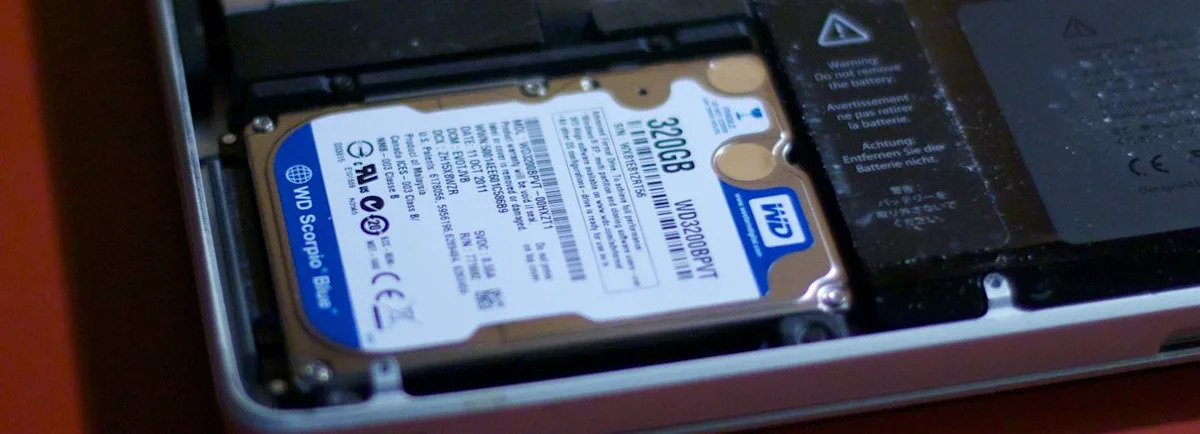
What happened
Western Digital has returned 530.0% over the past year and 14.6x over three years, yet trades on a P/E multiple of 18.2x—below the tech industry average of 19.8x and well below its memory and storage peer group average of 40.8x.
Why it matters
AI-driven data storage demand supports bullish expectations for future cash flows, but recent momentum loss in memory stocks may be limiting how much investors are willing to pay for that growth story. The stock screens as undervalued on 5 out of 6 valuation measures, suggesting a meaningful discount persists even after the sharp gains.
What to watch
Whether Western Digital's recent slide signals the valuation gap is closing or merely a pause within a still-attractive pricing setup. The stock's fair P/E ratio, modeled at 47.5x based on growth profile, margins, size and risk, is far above its current 18.2x level—the key question is whether that gap will compress.
Summaries like this, in your inbox every morning.
Western Digital's stock performance over the past three years has been exceptional, delivering a 14.6x return and 530% gains over the past year alone. Yet despite this sharp move higher, the company's valuation metrics suggest the stock remains inexpensive relative to both historical earnings multiples and peer comparisons. The stock screens as undervalued on 5 out of 6 valuation measures, a breadth that points to a genuine discount rather than a narrow edge.
The core narrative tension centers on whether this valuation gap reflects an opportunity or an early sign that the market is repricing the business. AI-driven demand for storage capacity has provided a compelling growth story that supports the bullish cash flow expectations. However, recent weakness in the broader memory stock sector has created uncertainty about whether investors will continue to reward growth at historical premiums. The modeled fair P/E of 47.5x versus the current 18.2x suggests substantial upside if the sector recovers conviction, but the recent pullback raises questions about whether that confidence is waning.
Pick your industry and the AI tools you use, and get news related to your work every day.
Free · 30 seconds with Google · unsubscribe anytimeWhat is AIToday? →
Ask AI anything about this article. The AI reads this article, earlier AIToday articles, and Wikipedia, and cites its sources. Q&As are published on this page for other readers too.
In Q2, billionaires or their funds sold six 'Magnificent Seven' AI stocks
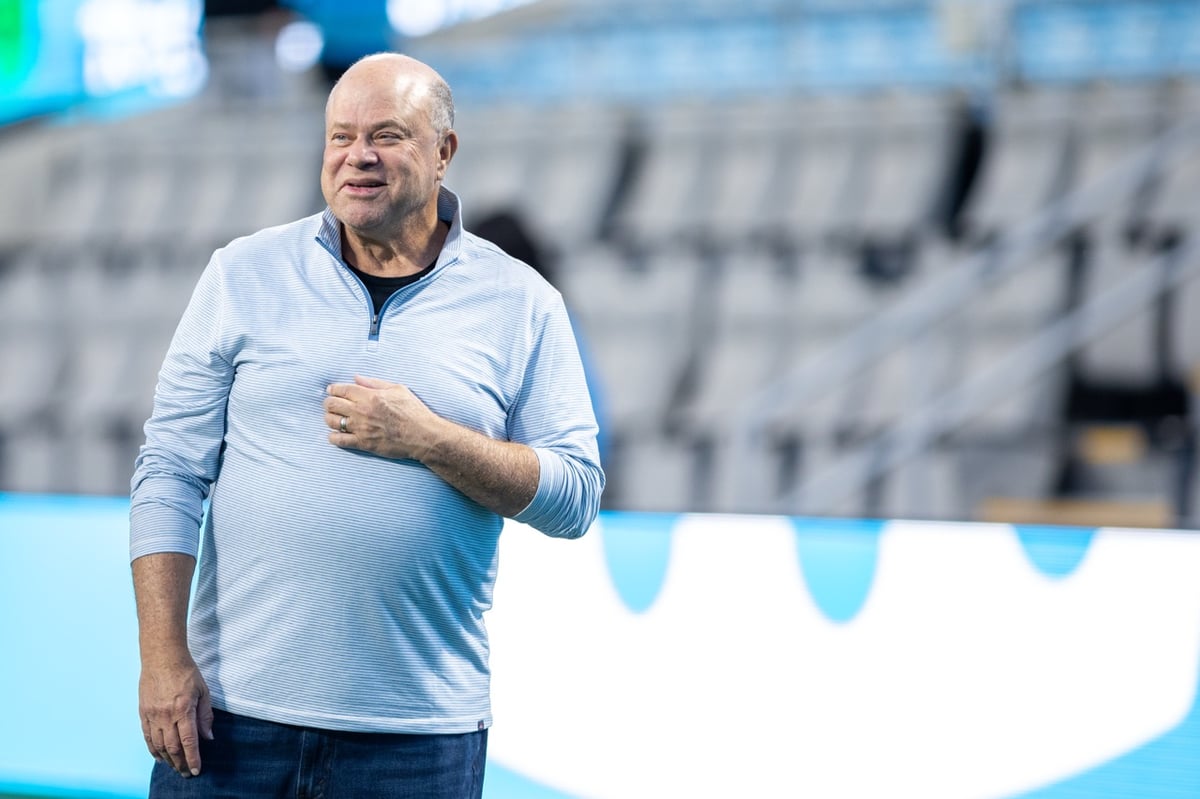
Nvidia was rising early Friday, even as the wider chip sector kept falling, Barron's reported
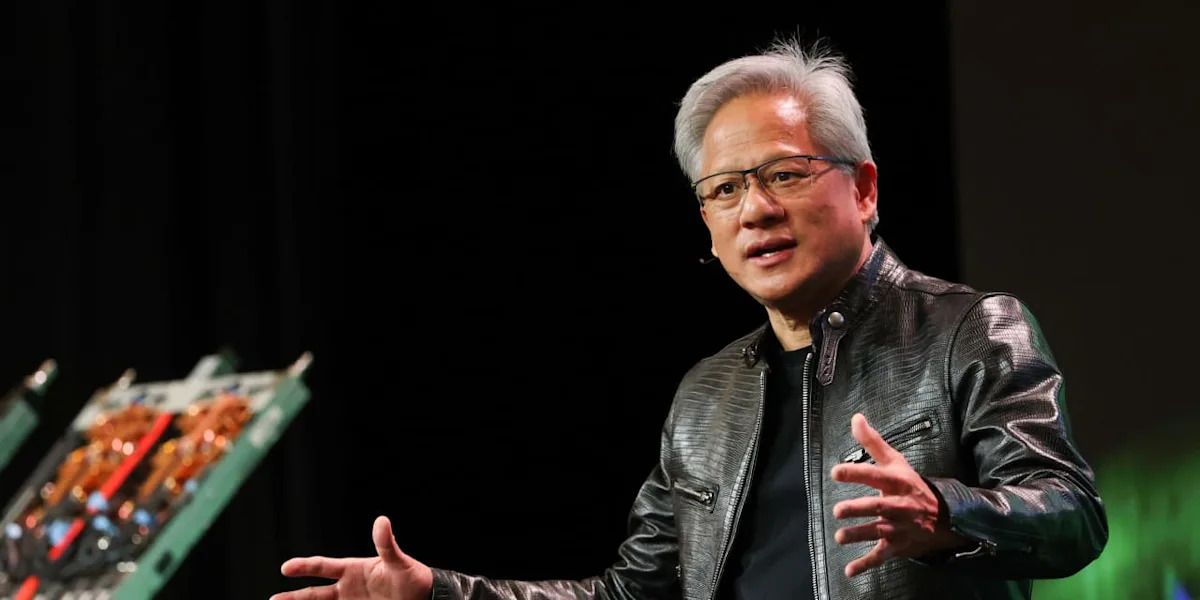
ElevenLabs completed a $300 million employee tender at a $22 billion valuation, and co-founder Mati Staniszews…

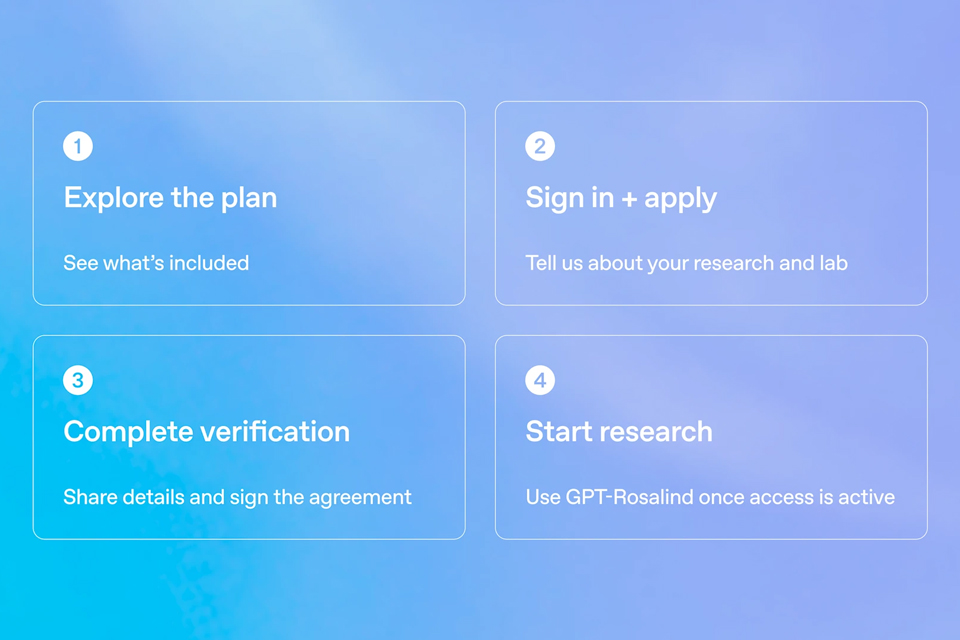
On October 15, OpenAI announced the Rosalind Academic Plan, giving approved US university labs free access to…
Neostellar Capital principal Evan Schlossman said CoreWeave's $103.7 billion in remaining performance obligati…
Supermicro Computer appointed Mark Long as chief financial officer, bringing an experienced technology finance…