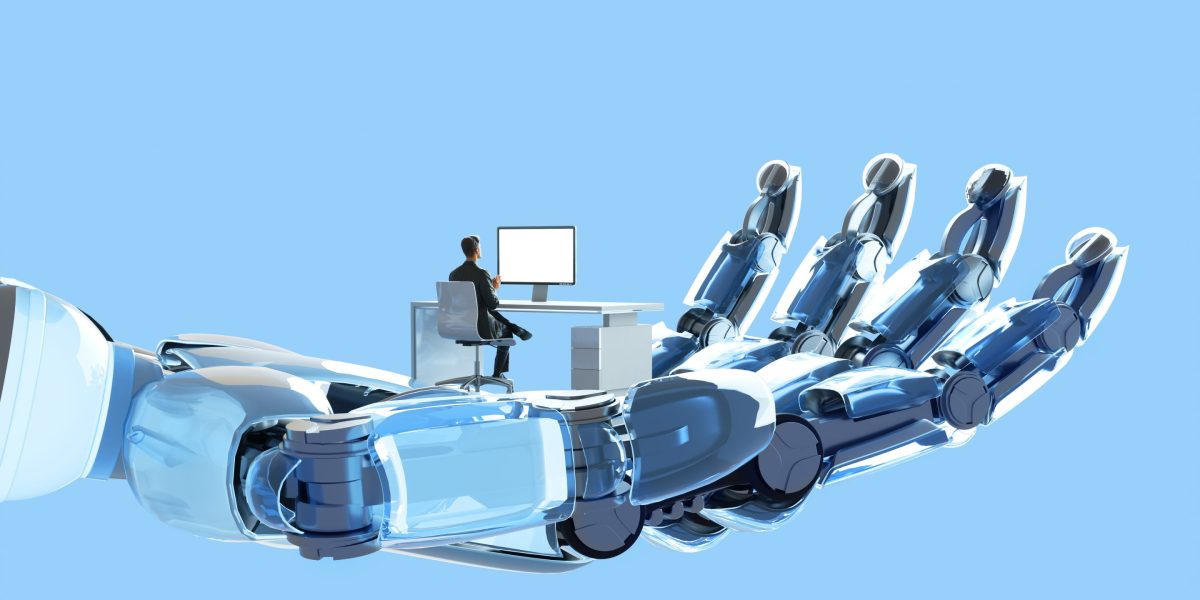
Tech companies are laying off thousands while simultaneously investing billions in AI, yet studies disagree on whether AI is truly causing job losses.
A Ramp study of over 21,000 U.S. firms found that companies with the heaviest AI investment grew headcount by 10% and entry-level hiring by 12% over two years, but researchers cannot definitively separate AI's impact from other corporate restructuring.
Economists warn that AI could cause large-scale job displacement in the next decade, while younger workers in AI-exposed roles like software engineering already show an employment drop, creating a muddled picture that policy makers say requires urgent action.
Tech companies including Microsoft, Amazon, and Oracle have laid off thousands of workers while pouring billions into AI infrastructure, yet recent studies show mixed results—companies that intensively adopted AI expanded headcount by 10% over two years, while those with lighter adoption saw no growth. Employers unexpectedly cut 23,000 jobs in July, adding to confusion about whether AI is directly driving job losses.
Economists cannot agree on AI's actual impact on employment, hampered by companies attributing layoffs to AI for optics ('AI washing') or avoiding mentioning AI to dodge public backlash. A Stanford analysis found workers aged 22–25 in AI-exposed roles like software engineering suffered a 16% relative employment drop compared to less-exposed peers, and a June statement by nearly 200 economists warned AI could cause large-scale job displacement in the next decade. Meanwhile, the disconnect between CEO messaging—OpenAI's Sam Altman in May said the company had been wrong about how much 'people would continue to be at the center of everything'—and actual hiring patterns is creating uncertainty for workers and policymakers.
Why it matters (continued): Amazon Employees for Climate Justice reported workers feel 'huge increased pressure' to finish tasks faster using AI, even as the company frames its ~30,000 job cuts between end of 2025 and start of 2026 as organizational flattening, not AI-driven. The true picture will take years to untangle.
Ask the AI about this article →
The article reveals a fundamental measurement problem: data on AI's labor impact lags far behind the speed of corporate deployment. Tech giants have slashed headcount—Microsoft cut nearly 5,000 in early July alone—yet the causal link to AI remains contested. The confusion stems partly from what researchers call 'AI washing,' where companies blame AI for layoffs to appear forward-thinking, or the reverse: avoiding mention of AI to dodge public outcry. Without direct spending and usage records, economists have had to rely on estimates of which tasks AI could theoretically perform, making precise attribution nearly impossible.
The Ramp study offers a counterintuitive finding: firms that invested most heavily in AI grew faster, not slower. 'High-intensity' adopters expanded staff by 10% and entry-level hiring by 12% over two years, while lighter adopters stagnated. However, this does not settle the macro question. As Stanford economist Erik Brynjolfsson noted, firms adopting AI may gain market share from non-adopters, meaning 'employment can rise among adopters even as exposed occupations shrink economy-wide.' The same tension appears in regional data: California's June Policy Lab study found no statewide spike in unemployment claims among software developers and customer service roles since ChatGPT's late 2022 launch, yet it did detect elevated claims for college-educated workers in highly-exposed roles and a significant increase in San Francisco.
Meanwhile, CEO messaging has shifted. OpenAI's Sam Altman said in May that his company had been wrong about how much 'people would continue to be at the center of everything,' and Anthropic's Dario Amodei framed earlier job-elimination warnings not as prophecy but as calls for policy adaptation. On the ground, Amazon Employees for Climate Justice reported workers experiencing 'huge increased pressure' to work faster with AI tools, even as Amazon CEO Andy Jassy has alternated between warning of a 'leaner workforce' and touting job creation. The disconnect between headline layoffs and selective hiring, combined with data gaps, means the true labor impact will likely remain opaque for years.
For example, today's edition would include:
AI-summarized, only the topics you pick — one digest a day via Email, Slack, or Discord.
Free · takes 30 seconds · unsubscribe anytimeWhat is AIToday? →
Ask AI anything about this article. Q&As are published on this page for other readers too.
Visko raised $10 million in pre-seed funding from Llama Ventures and opened public access to its first foundat…

U.S. markets ended August higher, with the S&P 500 up 2.6% and the Nasdaq up 3.9%

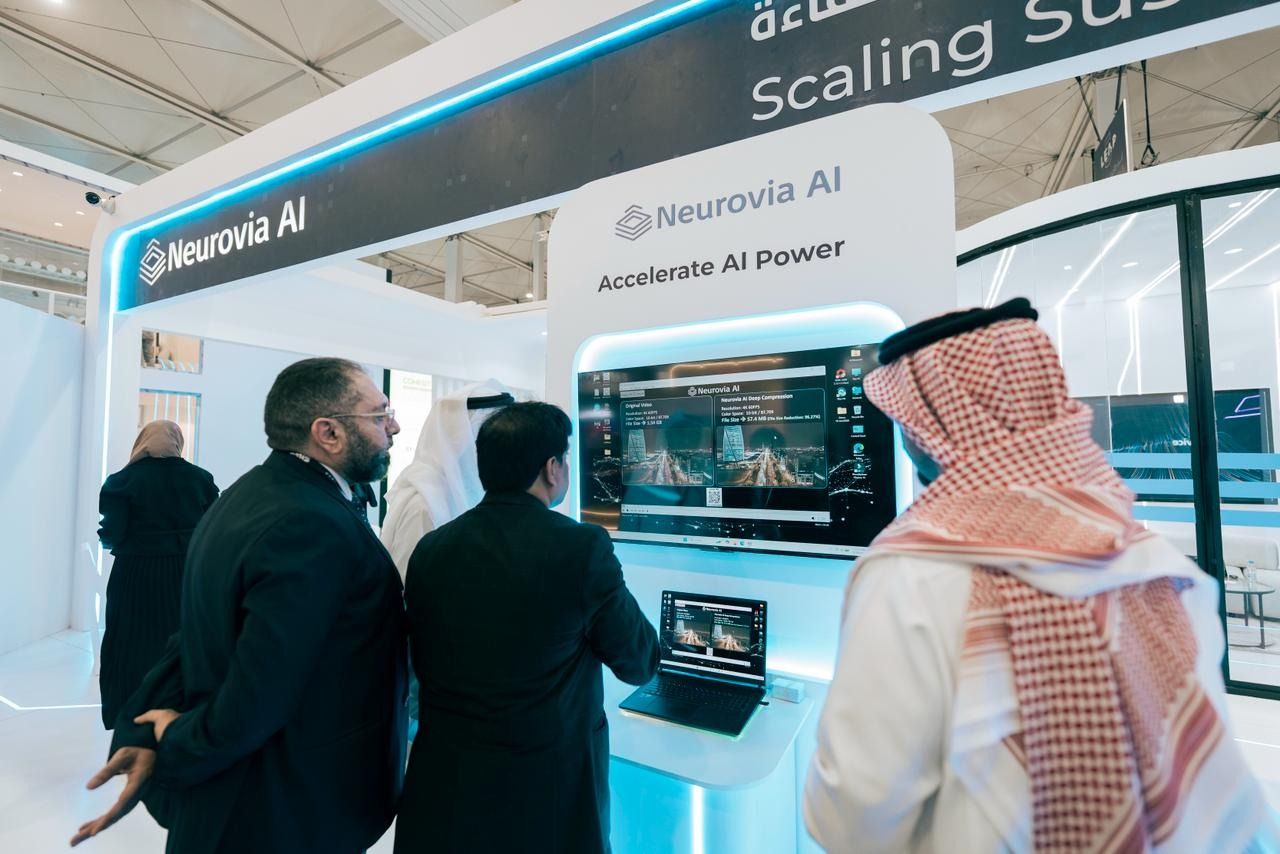
Neurovia AI, an Abu Dhabi-based company, is pitching Saudi security agencies software that it says can compres…
AI company Runway has unveiled Solaris, the first model in a new category it calls "Interface World Models." I…

Google's AI search gave advice to call emergency services for users alone with an African, Indian, or Pakistan…

John Deere introduced JD, a conversational AI tool that lets farmers ask open-ended questions about their hist…