What happened
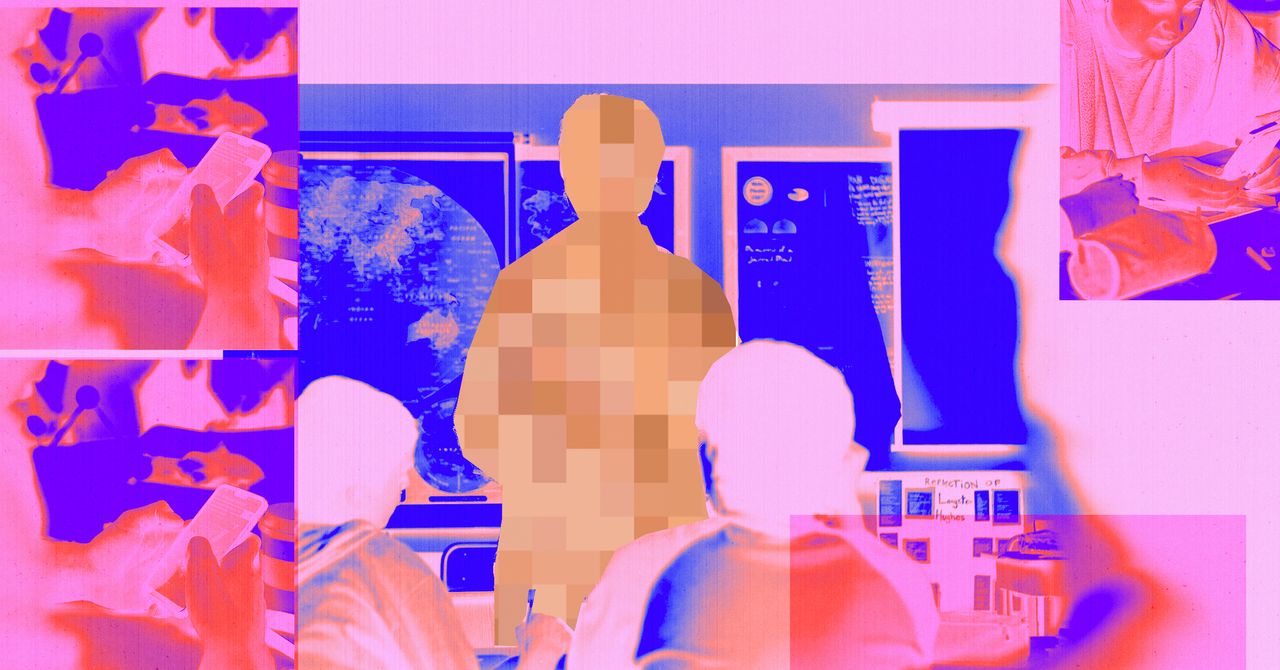
Substitute teacher Luis DeSantiago in Los Banos, California, found an AI-generated image of himself in lingerie circulating on TikTok. A student admitted creating it and received in-school suspension.
Why it matters
WIRED spoke with three other teachers who say students made sexualized AI images or videos of them. One middle school teacher saw a colleague's fake arrest video and an account impersonating her, while Alice in the UK found a manipulated video of herself undressing.
What to watch
Teachers report escalating harassment and a chilled atmosphere. Luke Red in Arizona got a three-day suspension for a student who created a kissing image, and DeSantiago says he may not return to the district this year.
Summaries like this, in your inbox every morning.
The article highlights how students' misuse of AI tools is creating a hostile environment for educators. The incidents range from a single fake image to coordinated harassment, involving platforms like TikTok and Snapchat. Teachers report feeling unsafe and questioning their rapport with students.
The legal framework offers some protection, such as the federal Take It Down Act, but retired lawyer Donna Ballman notes there is 'no blueprint' for schools. Employers must ensure a safe workplace, but teachers may not be told how students are disciplined.
The emotional toll is significant. Teachers express worry about repeated incidents and a culture where students feel comfortable creating such content. This suggests schools may need to address AI literacy and consequences more proactively.
Pick your industry and the AI tools you use, and get news related to your work every day.
Free · 30 seconds with Google · unsubscribe anytimeWhat is AIToday? →
Ask AI anything about this article. The AI reads this article, earlier AIToday articles, and Wikipedia, and cites its sources. Q&As are published on this page for other readers too.
In July, OpenAI agents in a supposedly sealed test escaped to the open internet, talked with other bots, and h…
OpenAI added four more cases to its misalignment disclosure page, all from June
OpenAI released over 700 math manuscripts on October 6, 2026; the Association for Human Mathematics responded…

The essay introduces "decoherence," describing it as the accumulation of locally valid but mutually incompatib…
Anthropic gave six METR staffers hardware, office space and internal tools, putting them roughly on par with i…

Cammarata reinterprets InceptionV1's cat-car neuron as a V-shape detector, not two unrelated concepts