What happened
Texas A&M's materials science department received a $2 million grant from the WoodNext Foundation to create the Aggie AI Foundry, a campus facility using AI and robotics to develop novel metal alloys.
Why it matters
The fully automated system aims to cut alloy development from months to a week or less, and Texas A&M says it will be the first lab of its kind in academia.
WHO IT HITSMaterials researchers and students at Texas A&M will be freed from repetitive lab work such as mixing and testing samples, according to the department heads, allowing them to focus on creative science.
Summaries like this, every morning.
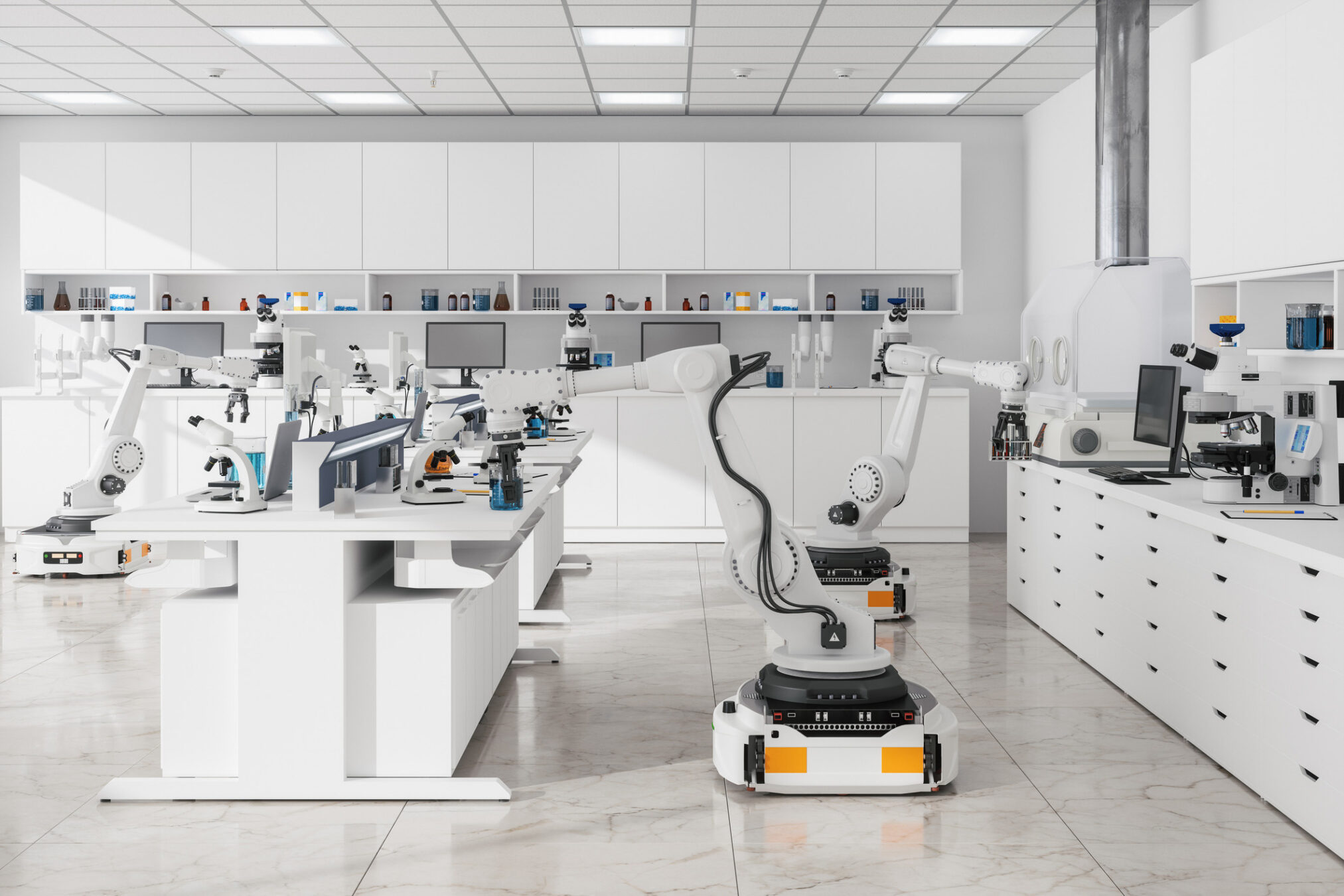
The Aggie AI Foundry is the brainchild of Dr. Ibrahim Karaman, department head, and Dr. Raymundo Arróyave, associate department head for research, who have published more than 100 papers together on algorithms and methodology for metal alloy design. Their approach combines physical models, algorithms, and years of human trial-and-error to train AI to propose new alloy ideas, while robotic arms mix, melt, and test materials along an assembly line.
Arroyave noted that current computational tools cannot predict how an alloy will behave, so experiments must be done on actual materials. With several dozen elements from the periodic table, AI faces roughly a trillion possible mixing combinations—far beyond human bandwidth—but can find hidden correlations and run experiments quickly. The grant comes through the WoodNext TAMU Fund, a donor-advised fund program, and reflects the foundation's broader mission to advance human progress by removing obstacles to a fulfilling life.
Pick your industry and the AI tools you use, and get news related to your work every day.
Free · 30 seconds with Google · unsubscribe anytimeWhat is AIToday? →
Ask AI anything about this article. The AI reads this article, earlier AIToday articles, and Wikipedia, and cites its sources. Q&As are published on this page for other readers too.
Burke Wealth Management's Q3 2026 investor letter said Amphenol's data center power business essentially picks…

A Seeking Alpha preview of Corning's Q3 results says AI demand is driving revenue optimism for the company, th…

Investing.com reports that all eyes are on Corning's earnings as its AI fiber growth faces a test

At the PRovoke Global Summit, McDonald's discussed rethinking its PR strategy in response to AI reshaping earn…

Booking.com is now having AI answer traveller questions ahead of the guest's arrival, a shift Hospitality Net…

Pathos AI announced multi-year strategic collaborations with Bristol Myers Squibb and Tempus AI to build a cur…