
What happened
The transformers modeling backend for vLLM now achieves inference speed comparable to vLLM's custom hand-written implementations across multiple Qwen3 model sizes—from 4B dense models to 235B Mixture-of-Experts models—by using torch.fx and abstract syntax tree manipulation to apply layer fusions at runtime.
Why it matters
Model authors no longer need to write separate optimized code for vLLM; they can use their transformers implementations directly and automatically get native vLLM inference performance. This reduces duplicate engineering work and makes it easier for new models to reach production speed without custom porting.
What to watch
Models using linear attention are not currently supported but will be soon. The full optimization process uses torch.fx for static analysis to identify fusible patterns, then rewrites operations to map to vLLM's ultra-optimized kernels (MergedColumnParallelLinear, QKVParallelLinear, and expert-parallel kernels).
Summaries like this, in your inbox every morning.
The transformers library has established itself as the reference modeling standard for machine learning, supporting 450+ architectures through consistent APIs. Previously, achieving ultra-fast vLLM inference required model authors to write custom vLLM implementations in parallel with their transformers code—a duplicative and time-consuming process. The transformers backend for vLLM, integrated last year, allowed transformers models to run inside vLLM without porting, but performance still lagged because the focus was primarily on optimizing attention operations.
The new iteration solves this gap by dynamically applying inference-specific layer fusions at runtime, using torch.fx and abstract syntax tree manipulation to identify and rewrite fusible patterns. Testing across three different Qwen3 models—a 4B dense model, a 32B dense model with tensor parallelism, and a 235B Mixture-of-Experts model with data and expert parallelism—showed that the transformers backend now meets or exceeds the throughput of hand-written native vLLM implementations. This means a model author needs to integrate their architecture only once (in transformers) and can immediately leverage vLLM's full inference optimization suite without writing a single line of custom code.
The transformation is significant for the ML ecosystem: it lowers the barrier for new models to reach production-grade serving speed, reduces engineering duplication, and lets model code be reused across training and inference workflows. The one current limitation is that models using linear attention are not yet supported, though the article indicates this gap will be closed soon.
Pick your industry and the AI tools you use, and get news related to your work every day.
Free · 30 seconds with Google · unsubscribe anytimeWhat is AIToday? →
Ask AI anything about this article. The AI reads this article, earlier AIToday articles, and Wikipedia, and cites its sources. Q&As are published on this page for other readers too.
ElevenLabs completed a $300 million employee tender at a $22 billion valuation, and co-founder Mati Staniszews…

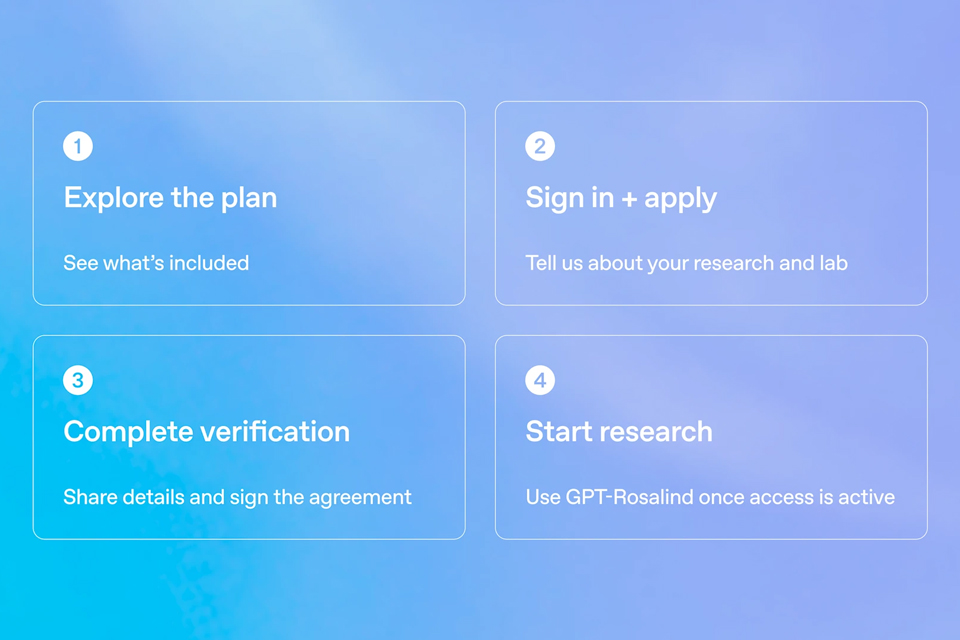
On October 15, OpenAI announced the Rosalind Academic Plan, giving approved US university labs free access to…
A Qiita article compared automated red-teaming methods for LLM apps — GCG, PAIR, and TAP — using mock implemen…

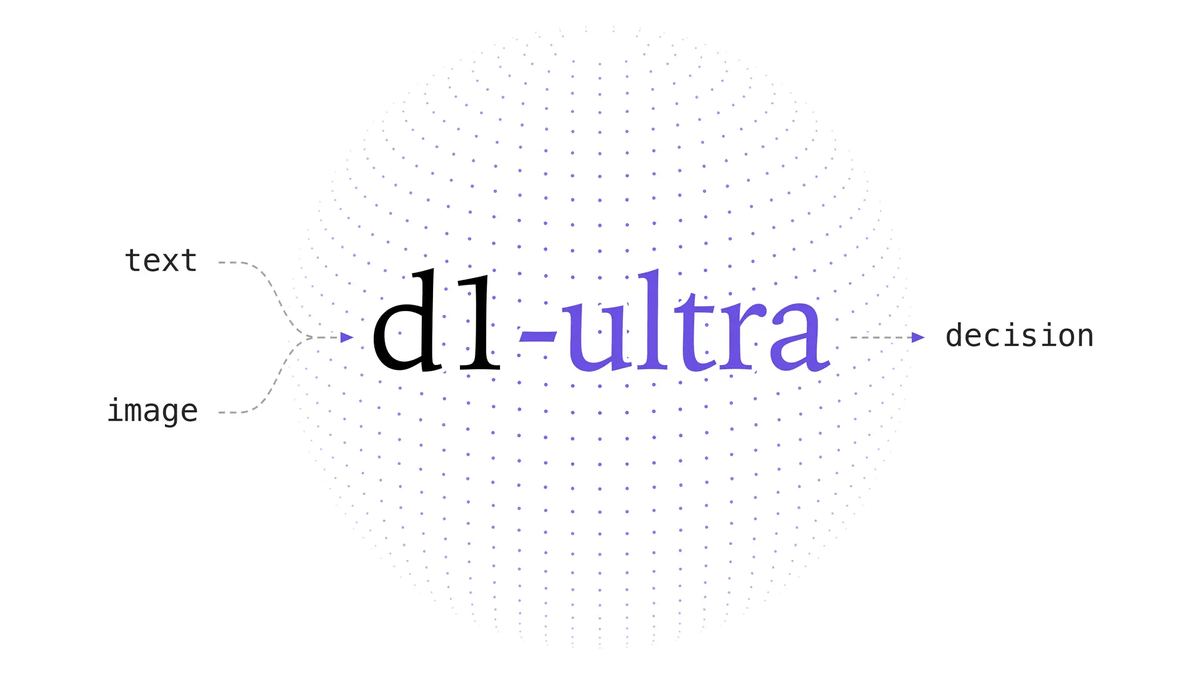
Liquid AI released d1-ultra on October 15, 2026, an upgraded open-weights decision model that averaged 76.7 ac…
Circlia started a proof-of-concept for TASTE SIGNAL: visitors to Holland Village Cafe FUKUOKA taste cookies an…

In a webinar hosted by French Mathematical Society president Isabelle Gallagher, Fields Medal winner Hugo Dumi…

