
What happened
Circle CEO Jeremy Allaire published an 18,500-word treatise arguing that AI-driven commerce requires blockchain-based money, contracts, and governance. Circle won approval to establish a federally regulated national trust bank. Meanwhile, Open Standard is partnering with Stripe, Visa, Blackrock and about 140 other firms to launch Open USD this year, a stablecoin where reserve income is shared among partners who can mint and redeem tokens at no cost. Visa launched a platform last week to provide stablecoin services to more than 200 million merchants.
Why it matters
As AI agents begin executing transactions autonomously, companies need infrastructure to settle payments accurately, compliantly, and cheaply. Stablecoins could let consumer brands like Walmart, Amazon, and Starbucks bypass credit card fees and settle transactions at a fraction of the cost. Visa's CEO predicted agentic commerce "will expand our addressable market," signaling that established financial institutions see material growth opportunity in this shift. The ecosystem architecture—who controls settlement, mint rights, and compliance—will determine which players dominate the onchain economy.
What to watch
Open USD launches this year; Visa's new stablecoin platform serves more than 200 million merchants. Look for which platforms attract top talent, developers, and partners—the winners will be those offering secure, popular infrastructure rather than niche alternatives. SWIFT, the network linking more than 11,500 financial institutions, now has a blockchain-based ledger, signaling legacy financial plumbing is integrating with blockchain.
Summaries like this, in your inbox every morning.
The emergence of agentic commerce—transactions executed by AI agents without human intervention—is forcing a reckoning with payment infrastructure. Jeremy Allaire's framing captures the core insight: if AI is becoming the operating system for intelligence and decision-making, then blockchain and stablecoins must become the operating system for value transfer. Without software-native money and contracts, an economy run by agents cannot function reliably or compliantly at scale.
What makes this moment consequential is that incumbent financial institutions are not sitting on the sidelines. Visa, which processes trillions in payments annually, is launching stablecoin services to 200 million merchants and positioning agentic commerce as a growth driver. SWIFT, the settlement backbone for 11,500 financial institutions, is moving to blockchain-based ledgers. Circle's federal trust bank charter removes a regulatory bottleneck that has hampered stablecoin issuers. Meanwhile, Open Standard's model—shared reserve holdings and mint rights among dozens of partners—suggests the winning infrastructure may not be winner-take-all, but rather a shared utility accessible to many.
Pick your industry and the AI tools you use, and get news related to your work every day.
Free · 30 seconds with Google · unsubscribe anytimeWhat is AIToday? →
Ask AI anything about this article. The AI reads this article, earlier AIToday articles, and Wikipedia, and cites its sources. Q&As are published on this page for other readers too.
In Q2, billionaires or their funds sold six 'Magnificent Seven' AI stocks

Nvidia was rising early Friday, even as the wider chip sector kept falling, Barron's reported

ElevenLabs completed a $300 million employee tender at a $22 billion valuation, and co-founder Mati Staniszews…

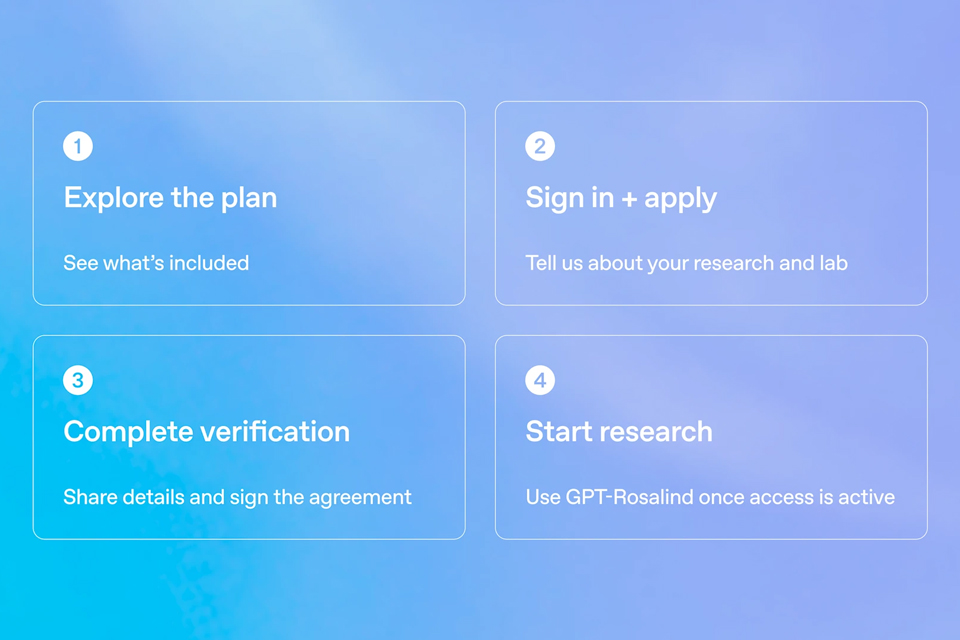
On October 15, OpenAI announced the Rosalind Academic Plan, giving approved US university labs free access to…
Neostellar Capital principal Evan Schlossman said CoreWeave's $103.7 billion in remaining performance obligati…

A Qiita article compared automated red-teaming methods for LLM apps — GCG, PAIR, and TAP — using mock implemen…


