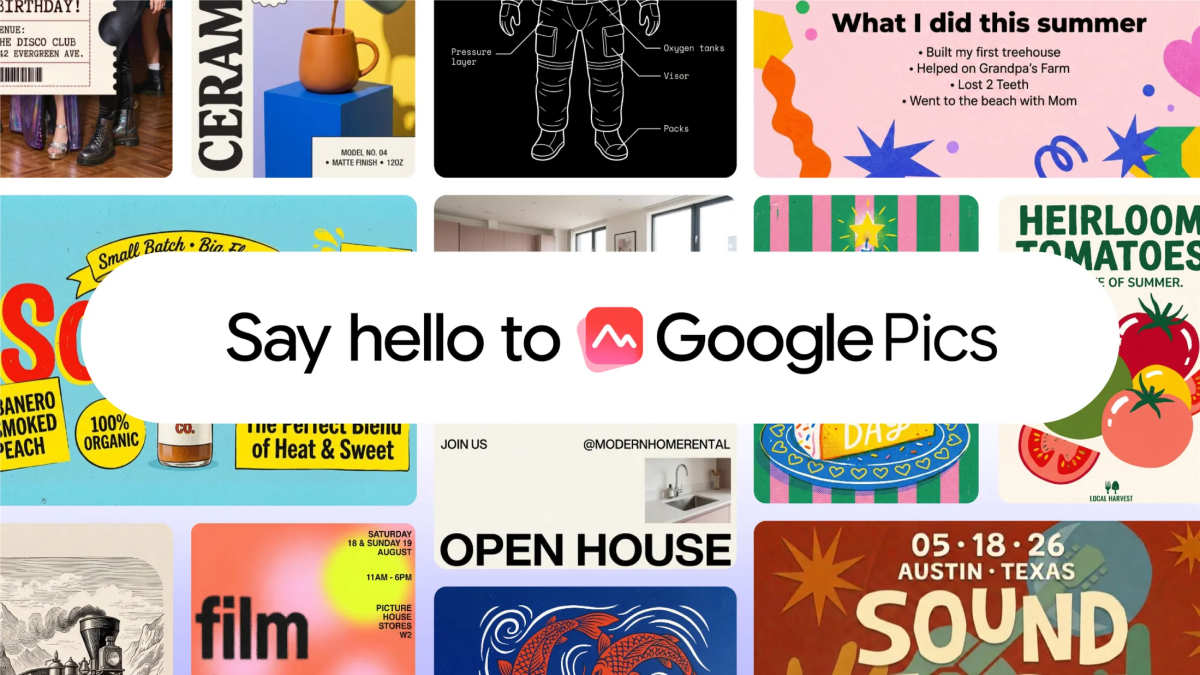
What happened
Google is launching Google Pics, an AI-powered image creation and editing tool that will be part of Google Workspace for business customers and premium Google AI subscribers. It starts rolling out today in Docs and Slides, with Drive support coming later.
Why it matters
Unlike Canva, which lets artists sell templates in a marketplace for royalties, Google Pics creates visuals purely from AI prompts trained on artists' work. Unlike Adobe Express, it's designed for prompting rather than designing from scratch, making everyday work visuals like posters and social posts faster.
What to watch
Powered by Google's Nano Banana image-generation model, the tool will reach most Workspace customers and Google AI Pro/Ultra subscribers over the coming weeks. It also includes collaborative editing and multi-generation options to pick the best result.
Summaries like this, in your inbox every morning.
Google's move into creative design with Google Pics marks a strategic push into a market currently led by consumer-friendly tools like Canva and Adobe Express. The key differentiator is the AI-first approach: instead of offering a marketplace for human-created templates, Google Pics generates images entirely from prompts, powered by its Nano Banana model. This aligns with Google's broader integration of AI across its Workspace productivity suite.
The starting integration in Docs and Slides, rolling out today, suggests Google sees design as a natural extension of everyday document work. By making the tool available to Workspace business customers and premium AI subscribers, Google is bundling creative capabilities into existing subscriptions rather than selling a standalone product. The emphasis on collaborative editing and generating multiple versions of an image points to a workflow-oriented design tool.
However, the article notes that Google's AI was trained on artists' work, a point that may raise concerns similar to those faced by other generative AI companies. For businesses, this tool could simplify creating internal visuals, but it also represents a shift away from the human-design marketplace model that creators rely on for income.
Pick your industry and the AI tools you use, and get news related to your work every day.
Free · 30 seconds with Google · unsubscribe anytimeWhat is AIToday? →
Ask AI anything about this article. The AI reads this article, earlier AIToday articles, and Wikipedia, and cites its sources. Q&As are published on this page for other readers too.
In Q2, billionaires or their funds sold six 'Magnificent Seven' AI stocks
Nvidia was rising early Friday, even as the wider chip sector kept falling, Barron's reported
ElevenLabs completed a $300 million employee tender at a $22 billion valuation, and co-founder Mati Staniszews…
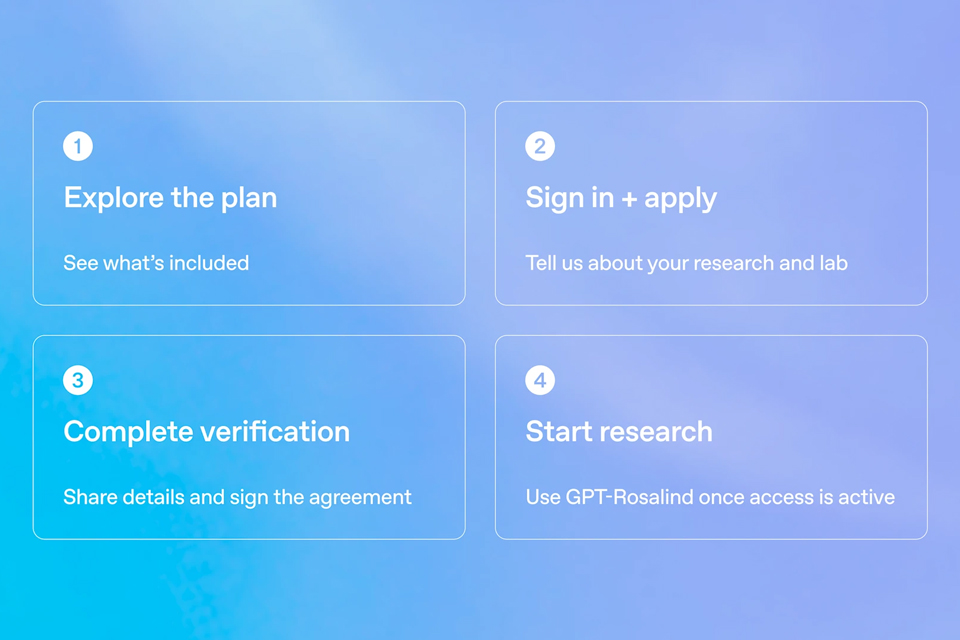
On October 15, OpenAI announced the Rosalind Academic Plan, giving approved US university labs free access to…
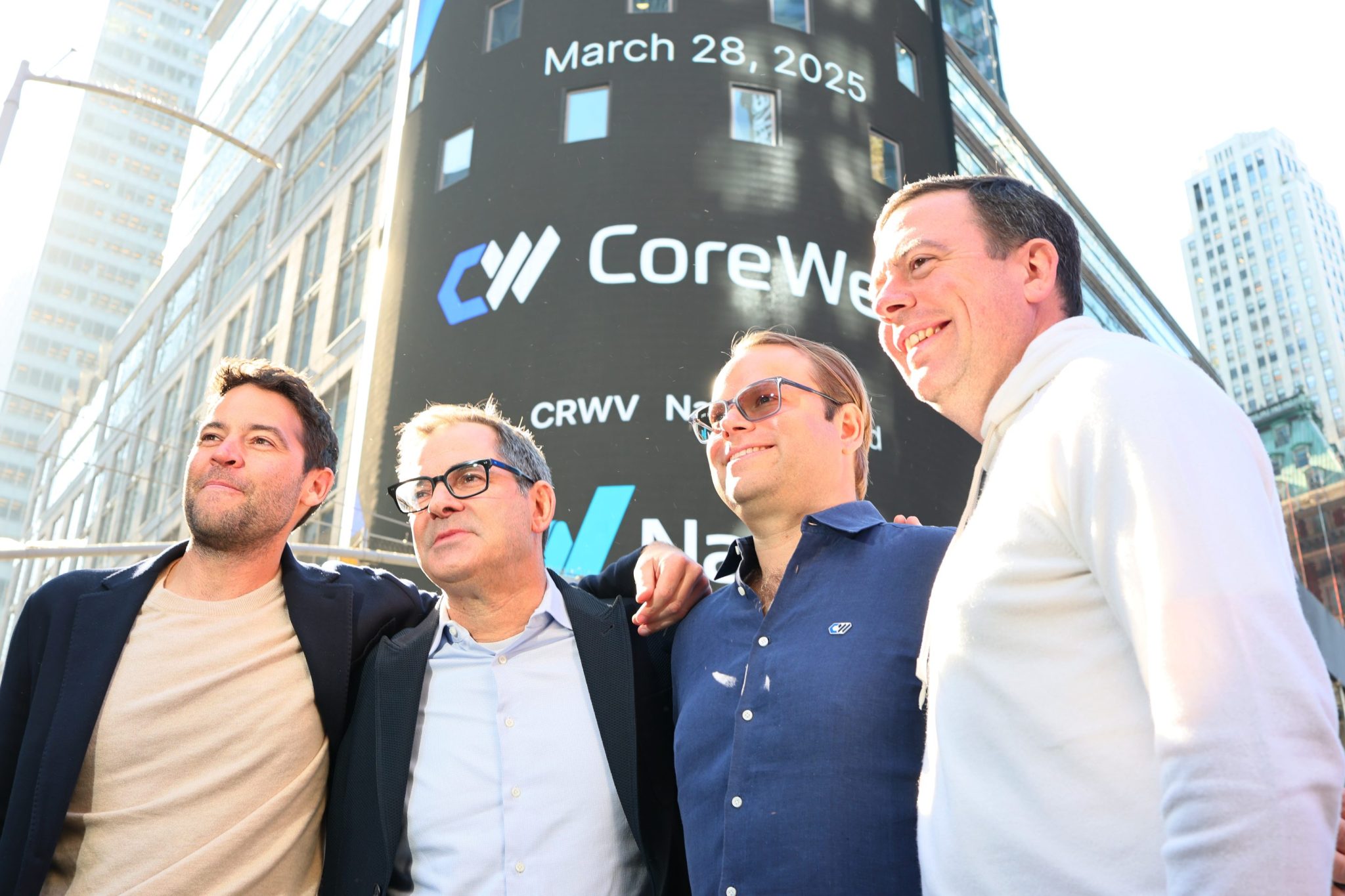
Neostellar Capital principal Evan Schlossman said CoreWeave's $103.7 billion in remaining performance obligati…
A Qiita article compared automated red-teaming methods for LLM apps — GCG, PAIR, and TAP — using mock implemen…


