
What happened
Startup Abliteration.ai now hosts modified versions of open-weight AI models with their guardrails removed, including Z.ai's GLM-5.3, which users can query from a web browser or access through an API. Founded late last year and incorporated in March, the company has no venture capital yet but is in talks to raise some.
Why it matters
The service is meant for "offensive cyber, red-teaming, and agent testing work other models refuse to do," but critics say it could lead to real harm. TechCrunch's testing showed the model readily complied with requests to write a program that steals Chrome passwords and to provide a protocol for culturing a dangerous pathogen. CivAI's Andrew Yoon said abliterating models allows you to "modify the model so that it becomes a sociopath."
What to watch
The test is whether Abliteration.ai can sustain its model as a paid service without venture backing, so its growth hinges on retaining paying customers like early-stage red-teaming startups. Watch whether its talks to raise venture capital close.
Summaries like this, in your inbox every morning.
Abliteration.ai is turning a long-standing open-source technique into a commercial service. Removing refusals from open-weight models has been done by researchers for years, and Hugging Face hosts thousands of such models, but this startup reduces the friction by hosting them and providing API access, removing the need to download models and secure compute.
The debate centers on whether this democratization helps security or enables harm. Founder Devon argues that defenders need the same tools as attackers, noting that abliterated models can "model bad actors" and accelerate cybersecurity. However, some red-teaming companies like Fabraix and Armadin say they don't use abliterated models in daily work, preferring fine-tuning open-weight models, which already have few guardrails. Ahmed Aly of Fabraix notes that abliteration removes some knowledge and capabilities, potentially making the model less effective for real harm.
Government intervention may be a possible check on this trend. Andrew Yoon of CivAI has suggested requiring providers to run classifiers for harmful cyber and bioweapons activity, and requiring GPU access companies to verify customer identities. The question of where to draw the line on responsibility is one that Abliteration.ai itself is still working out, with Devon acknowledging the difficulty of deciding who gets access.
Pick your industry and the AI tools you use, and get news related to your work every day.
Free · 30 seconds with Google · unsubscribe anytimeWhat is AIToday? →
Ask AI anything about this article. The AI reads this article, earlier AIToday articles, and Wikipedia, and cites its sources. Q&As are published on this page for other readers too.
Infineon Technologies said on October 21 it is expanding work with Nvidia on 800-volt direct current power arc…
BloFin Research outlined three defensive moves for a potential 2027 AI correction: shift some S&P 500 exposure…

Shares fell 6.9% Thursday, extending the drop from the June 2 peak to 50%, with market capitalization at about…
Schneider Electric, Nvidia and HPE formed a strategic collaboration to launch Industrial AI Agents at the Edge…

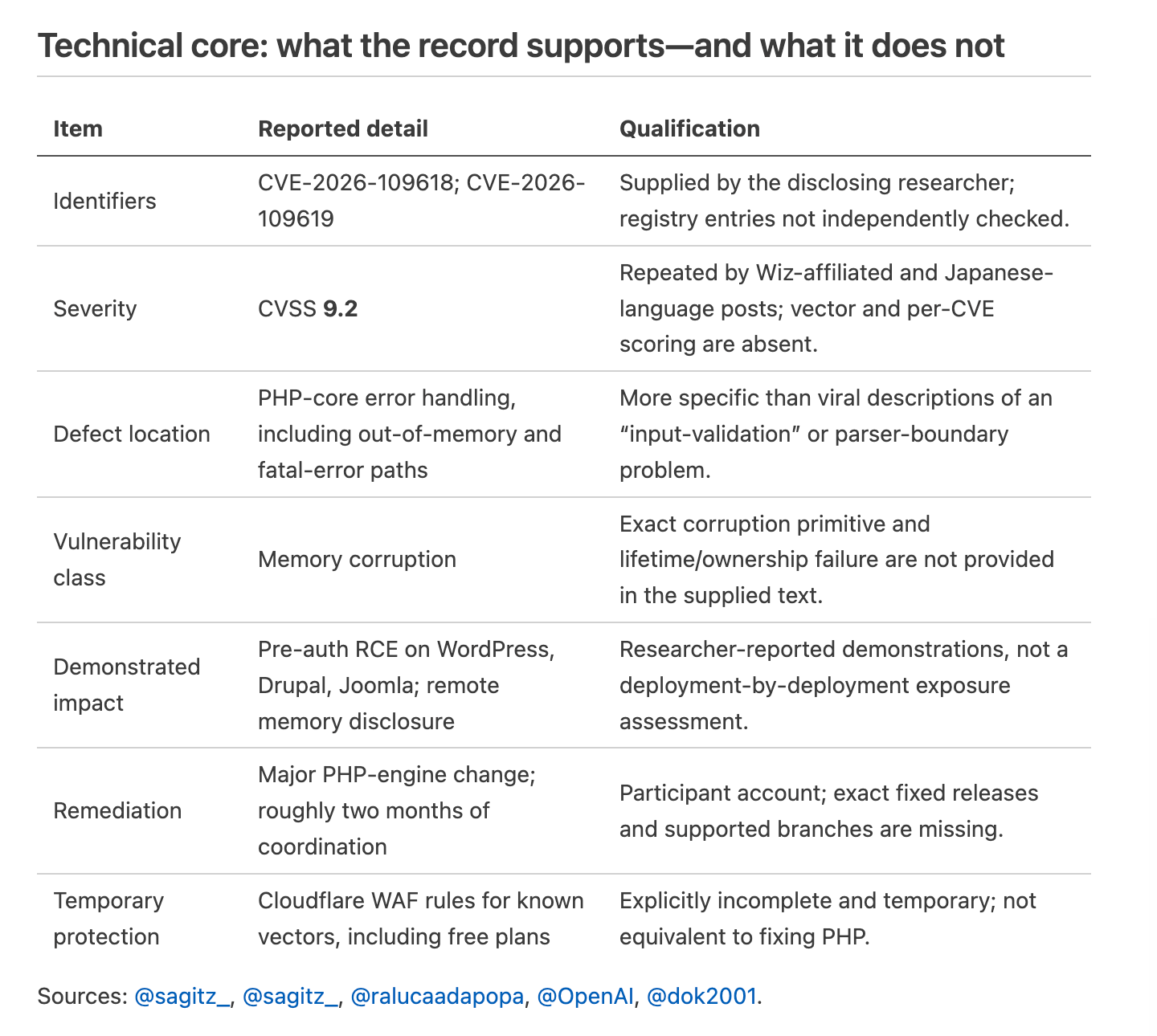
OpenAI says Calif researchers using GPT 5.6 Sol under its "Patch the Planet" project found the PHP2Shell flaws…
Anthropic released Claude Duet, built on Claude Opus 5.5