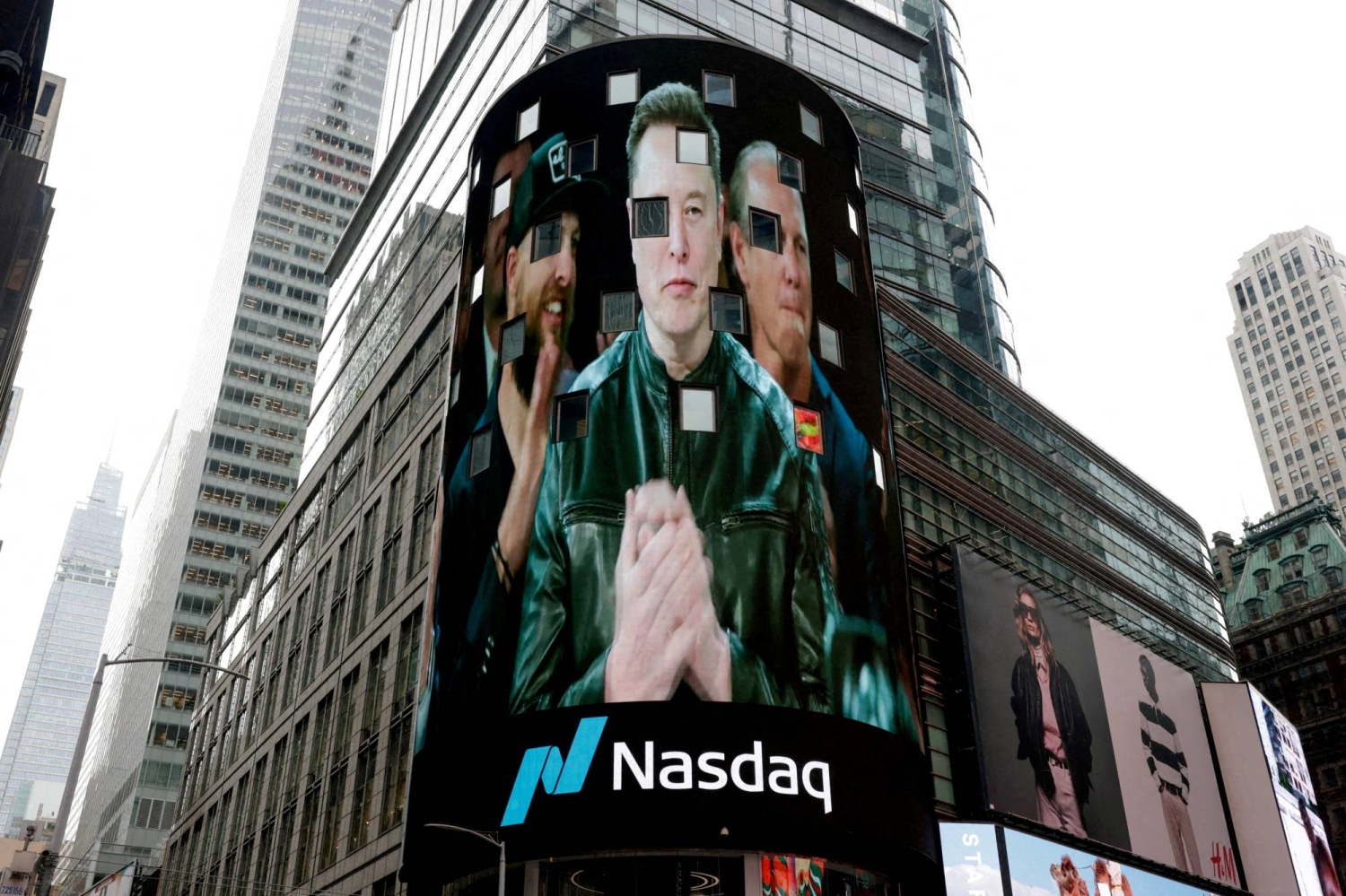
What happened
SpaceX shares fell as much as 8.8% in post-market trading after the company disclosed capital spending jumped to about $18.4 billion in the second quarter, driven by higher-than-expected AI investments. The earnings report itself beat Wall Street forecasts for revenue, AI losses, and Starlink subscriber growth.
Why it matters
The sharp stock decline despite better-than-expected results signals investor concern about the scale and pace of SpaceX's AI spending commitments. CEO Elon Musk indicated the company expects AI development cadence to accelerate, which may require sustained capital outlays that could pressure near-term profitability.
What to watch
Musk told analysts the company expects AI development to improve dramatically going forward—a signal that spending at this level may persist or grow as SpaceX scales its AI operations.
Summaries like this, in your inbox every morning.
SpaceX's post-earnings stock drop highlights a tension between operational execution and capital intensity that many investors may not have fully priced in before results. The company delivered on headline metrics—revenue and subscriber growth exceeded expectations, and AI losses came in better than forecast—yet the market penalized the stock sharply because the path to delivering those results required about $18.4 billion in capital spending, an amount that surprised on the high side. Musk's statement that the company expects AI development cadence to improve dramatically suggests this elevated spending level reflects deliberate strategy rather than a one-time spike, signaling to investors that SpaceX's AI ambitions will remain capital-hungry in the near term.
Pick your industry and the AI tools you use, and get news related to your work every day.
Free · 30 seconds with Google · unsubscribe anytimeWhat is AIToday? →
Ask AI anything about this article. The AI reads this article, earlier AIToday articles, and Wikipedia, and cites its sources. Q&As are published on this page for other readers too.
Vinci4D provides chip-design simulation software that trains on physics equations instead of customer data, an…

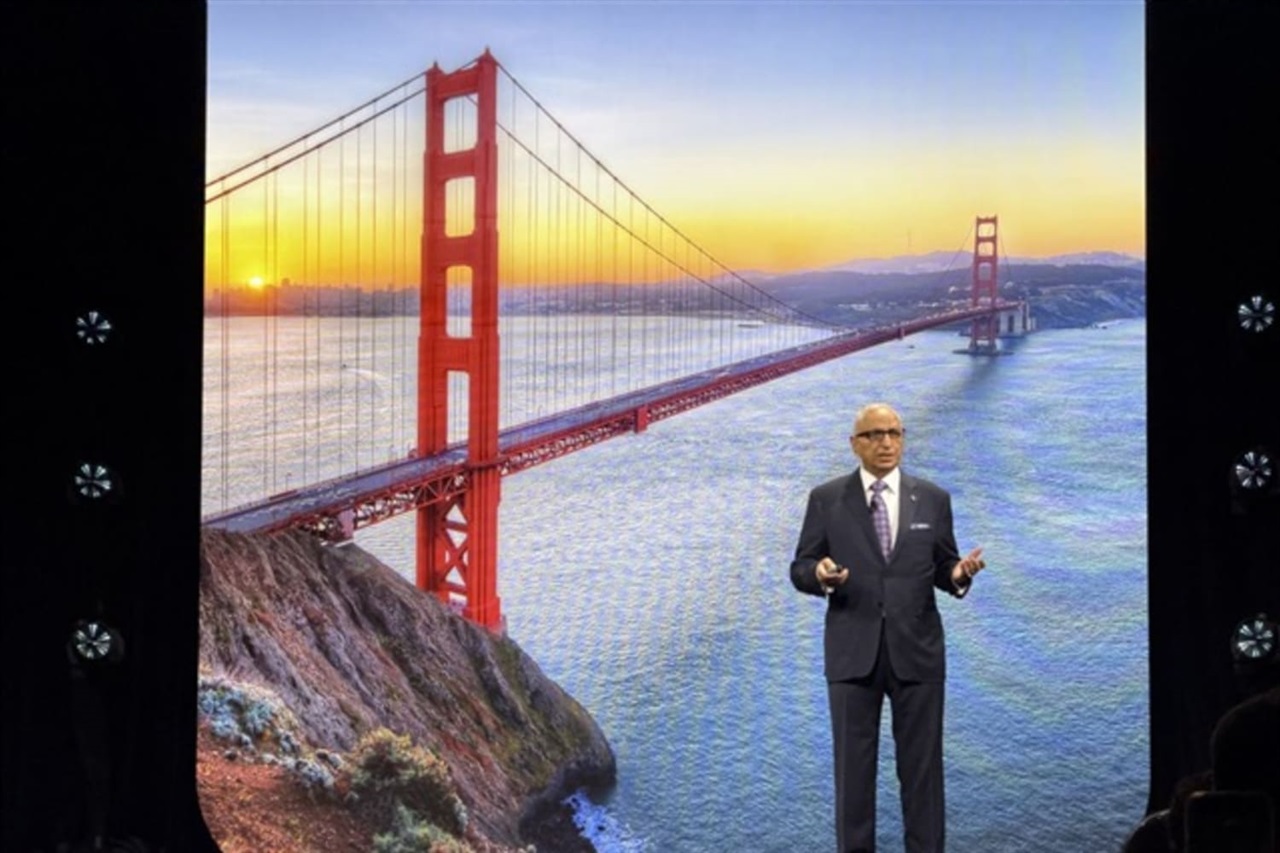
SEMI President and CEO Ajit Manocha told DIGITIMES that the semiconductor industry reached the US$1 trillion r…
CoreWeave fell more than 25% this week, its debt yield briefly rose above 16% on Thursday, and SK Hynix droppe…

Nvidia's AI Enterprise lists at $4,500 per GPU annually, and paid subscriptions add supported software, securi…
Anthropic told investors this week that it is making 85% gross margins, a figure the columnist calls a cash co…
Modal Labs, an AI infrastructure provider, raised $750 million in a Series D led by Accel at a $15.75 billion…