
What happened
Nvidia reported fiscal Q2 2026 (May–July) revenue of $96.221 billion, up 2.06× year over year, and adjusted EPS of $2.22, both beating analyst expectations. However, adjusted gross margin came in at 75.0%, slightly below the 75.1% consensus. The stock initially dropped nearly 3% in after-hours trading, then turned higher to +4.51% after the company guided to stronger-than-expected fiscal 2028 revenue growth of about 70%.
Why it matters
The results show Nvidia's AI demand remains strong, but rising memory prices are pressuring profitability. This matters for the broader market because Nvidia's earnings are a key barometer for AI infrastructure spending. The company also disclosed that its total AI data center facility lease guarantees jumped to $108.5 billion, including a $105 billion commitment to SB Energy, signaling heavy customer investment.
What to watch
Nvidia expects Q3 revenue of $108 billion ±2%, above analyst expectations, but its gross margin outlook of 74.0%–74.5% is below the consensus of 74.9%. Also watch upcoming earnings from Marvell Technology (Aug 27) and Broadcom (Sep 2) to gauge AI semiconductor industry health.
Summaries like this, in your inbox every morning.
Nvidia's results underscore a dual narrative: surging demand for AI compute versus rising input costs. Memory price inflation is trimming gross margins, a pressure that likely extends to other hardware makers and AI data center operators, whose investment budgets may exceed initial plans. The company's outsized revenue growth forecast for fiscal 2028 suggests customer commitments remain strong, and its quarterly guidance exceeded expectations, offsetting margin concerns in investor sentiment.
Salesforce's beat and expanded Anthropic partnership signal that software companies can translate AI into tangible business results, addressing earlier fears that AI would disrupt their revenue models. The market is now looking to Marvell and Broadcom earnings, plus monthly global semiconductor sales data, to confirm whether the AI-driven demand boom is sustainable or poised to decelerate, as Nomura strategist Makoto Murayama cautions.
Pick your industry and the AI tools you use, and get news related to your work every day.
Free · 30 seconds with Google · unsubscribe anytimeWhat is AIToday? →
Ask AI anything about this article. The AI reads this article, earlier AIToday articles, and Wikipedia, and cites its sources. Q&As are published on this page for other readers too.
In Q2, billionaires or their funds sold six 'Magnificent Seven' AI stocks
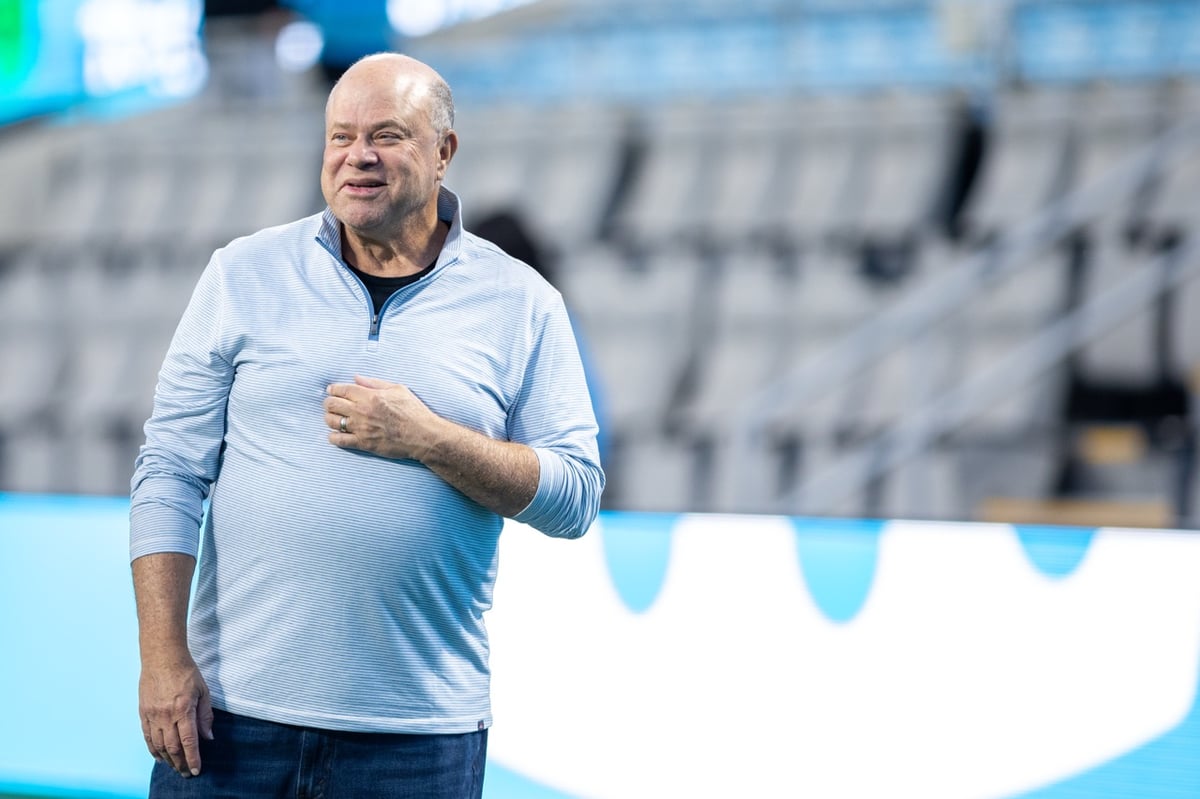
Nvidia was rising early Friday, even as the wider chip sector kept falling, Barron's reported
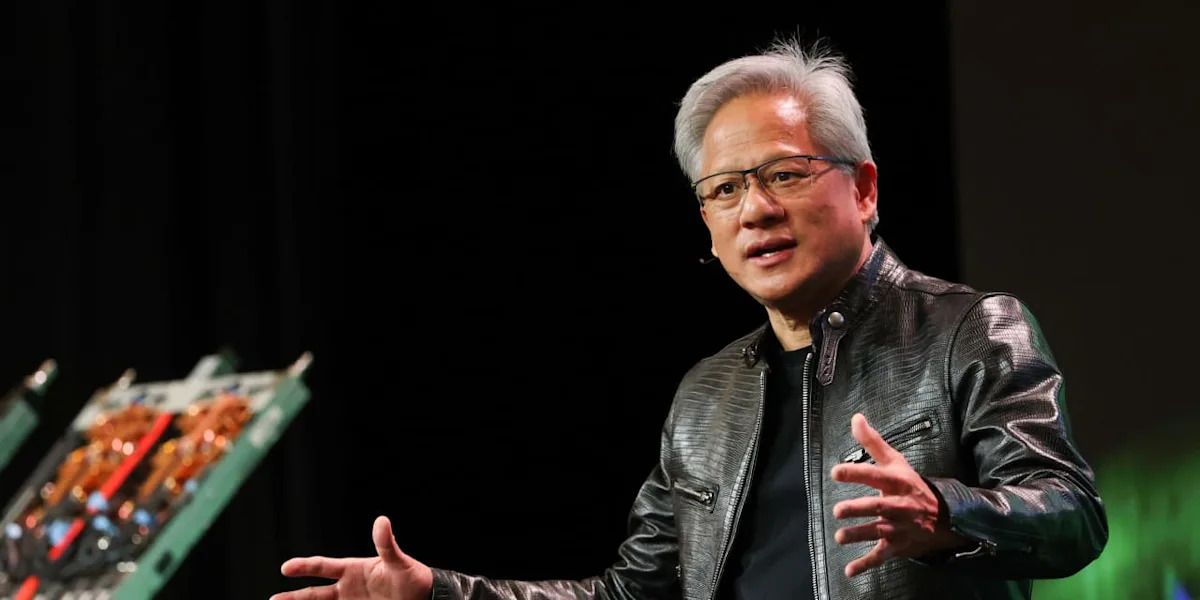
ElevenLabs completed a $300 million employee tender at a $22 billion valuation, and co-founder Mati Staniszews…

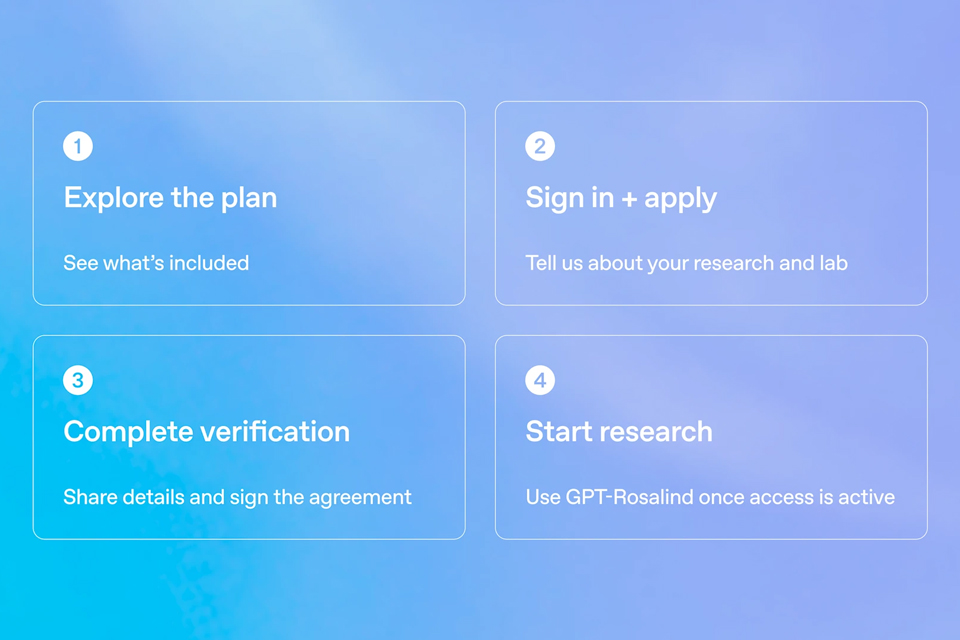
On October 15, OpenAI announced the Rosalind Academic Plan, giving approved US university labs free access to…
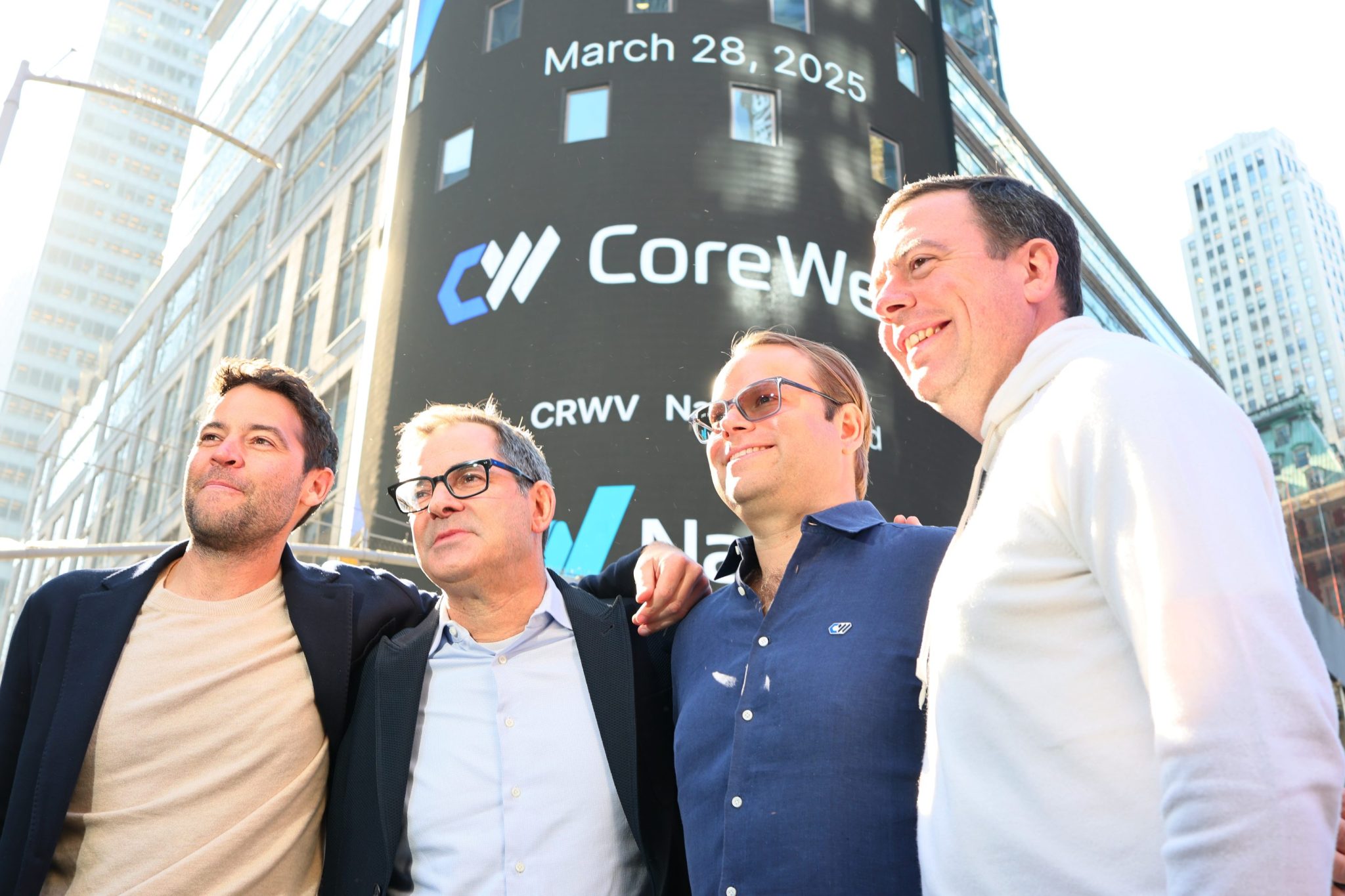
Neostellar Capital principal Evan Schlossman said CoreWeave's $103.7 billion in remaining performance obligati…
Supermicro Computer appointed Mark Long as chief financial officer, bringing an experienced technology finance…