
Amazon raised its 2026 AI spending target to $220 billion. The increase is $20 billion more than planned.
Higher memory costs drove the change. Despite that, Amazon's revenue and operating income are growing strongly.
AWS is the main driver, with its fastest growth in over four years.
What happened
Amazon told investors it now expects to spend $220 billion in 2026, which is $20 billion more than its prior capex plan. The company cited higher memory costs as a reason for the increase.
Why it matters
Despite higher costs, Amazon's revenue growth is outpacing capex growth. In the second quarter, it delivered 20% year-over-year revenue growth, driven largely by AWS hitting its highest growth rate in more than four years. Operating income reached $27.5 billion, a 43.2% year-over-year increase, with AWS' operating income surging from $10.2 billion to $16.6 billion.
What to watch
CEO Andy Jassy said Amazon's AI and chips businesses have both exceeded $25 billion annual revenue run rates. The higher capex could widen the gap with competitors, as Amazon, Microsoft, and Alphabet control more than 60% of the cloud computing market.
Ask the AI about this article →
Amazon's decision to raise its 2026 AI spending to $220 billion reflects a strategy of aggressive investment in cloud capacity despite rising memory costs. The company's financial results show that this spending is yielding returns: revenue growth of 20% year-over-year in Q2 and a 43.2% increase in operating income. AWS, in particular, is performing well, with its highest growth rate in over four years and a significant jump in operating income.
This high level of capital expenditure also serves as a competitive moat. Amazon, along with Microsoft and Alphabet, controls more than 60% of the cloud market, and Oracle, in fourth place, holds only a 4% share. The increased spending is likely to reinforce AWS's leading position and potentially widen the gap with smaller competitors, giving these top three players more pricing power as they continue to invest.
For investors, the key takeaway is that Amazon's heavy investment is translating into tangible sales growth, and the company has the ability to pass some costs onto customers if needed. Whether this momentum can be sustained will depend on continued AI demand and Amazon's execution in expanding its cloud capacity.
AI-summarized, only the topics you pick — one digest a day via Email, Slack, or Discord.
Free · takes 30 seconds · unsubscribe anytime
Ask AI anything about this article. Q&As are published on this page for other readers too.
Thomson Reuters Corp. today launched Thomson, its first proprietary large language model, combining its legal…
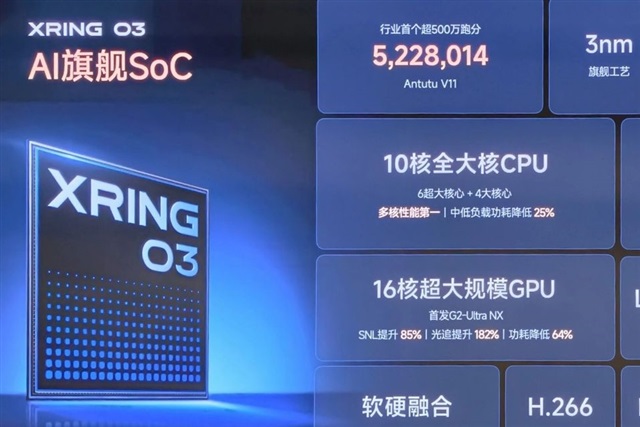
Xiaomi is expanding its in-house semiconductor push from smartphones into AI acceleration and autonomous drivi…
BMO Capital started coverage of AMD with an Outperform rating and a $550 price target

More than 500 seed- or venture-backed private companies have sold to other private, venture-backed companies s…

Cerebras has introduced its CS-4 AI accelerator, a rack-scale product that CEO Andrew Feldman calls the fastes…

Thomson Reuters launched its first in-house language model, built on Alibaba's Qwen, after spending about $40…