
What happened
Thomson Reuters Corp. today launched Thomson, its first proprietary large language model, combining its legal knowledge with outside LLMs to provide legal advice. It will first be deployed in Tabular Analysis, a document review capability in its CoCounsel Legal AI assistant.
Why it matters
Thomson Reuters spent about $40 million over two years on the project, but said economies reduced the final training run cost to about $450,000. By starting with an open-weight model and adding proprietary content, the approach reduced both training and inference costs compared with general-purpose frontier models.
What to watch
Only about 10% of the company's total information base has been used so far. Thomson Reuters plans to release a smaller open-weight version on Hugging Face under a noncommercial academic license and is developing a portal for outside developers to request API keys.
Summaries like this, in your inbox every morning.
Thomson Reuters is taking a different path from the biggest AI labs by focusing exclusively on legal expertise. The company says Thomson needs to set the frontier of intelligence for legal, which is a different job than what frontier labs are doing. Instead of building a foundation model from scratch, it began with an open-weight model and added its proprietary content, training methods and professional expertise, which reduced both training and inference costs.
The training process included realigning the base model with Thomson Reuters' values, pretraining on the company's content, and reinforcement learning that taught the model to work with tools such as Westlaw and Practical Law. Westlaw encompasses over 40,000 individual databases and more than 150 years of legal publishing. Hundreds of subject-matter experts helped define training objectives and judge responses. The research team focused on continual learning to add domain skills without erasing existing capabilities.
Internal tests showed Thomson is broadly competitive with leading models when all had access only to the web, and moved to roughly equal or slightly better performance when connected to Thomson Reuters content. These results have not yet received extensive independent validation. Only about 10% of the company's total information base has been used so far, and the next step is turning the most useful content into better training signals. Hron acknowledged that maintaining a proprietary model raises questions about keeping pace with faster-moving AI laboratories, but argued improvements in open models will give stronger foundations for later versions.
Pick your industry and the AI tools you use, and get news related to your work every day.
Free · 30 seconds with Google · unsubscribe anytimeWhat is AIToday? →
Ask AI anything about this article. The AI reads this article, earlier AIToday articles, and Wikipedia, and cites its sources. Q&As are published on this page for other readers too.
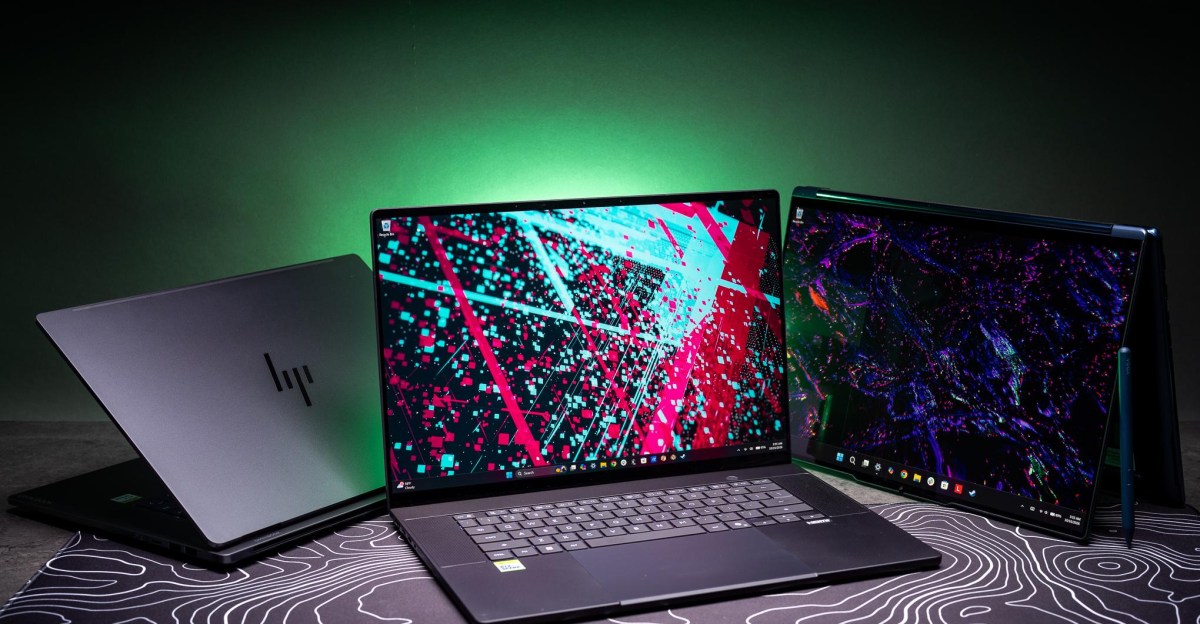
The Verge tested five RTX Spark N1X laptops from Asus, HP, Lenovo, and Microsoft, priced from $3,199.99 to $6…
Chunghwa Telecom president Rong-shy Lin said the shift from conversational AI to autonomous AI agents is resha…

CoreWeave fell 5% in premarket trading Friday and was on track to finish the week down 15%, after rebounding f…
Apple and Meta said they would jointly release a new open-weight AI model designed to run on high-end Macs, ai…

Investors put $38.5 billion into Asian startups in Q3, per Crunchbase data

A writer and entrepreneur opened his daily to-do list and found 156 items, and concluded that an AI assistant…