
Nvidia's stock is supported by massive current profits, not just AI hype.
Revenue rose 106% to $96.2 billion in the latest quarter.
The company expects strong growth but faces risks from supply and customer returns.
What happened
Nvidia's fiscal Q2 2027 revenue rose 106% year over year to $96.2 billion, driven by data center sales up 117% to $89 billion. Free cash flow hit $69.9 billion, and the company returned roughly $46 billion to shareholders in the first half of fiscal 2027.
Why it matters
Unlike many AI stocks that rely on future promises, Nvidia's current earnings and cash flow support its price. Trading at about 25 times fiscal 2027 earnings estimates of $9.26 per share, the multiple drops to around 15 times based on fiscal 2028 estimates of $15.59 per share.
What to watch
The Vera Rubin system, already in production, is expected to account for about 20% of data center revenue in Q3. Nvidia expects revenue to grow about 70% in fiscal 2028, with customer forecasts suggesting possible 100% growth, though supply constraints and rising memory costs may pressure margins.
Ask the AI about this article →
Summaries like this, in your inbox every morning.
Nvidia's latest results show that its AI hardware business is already generating enormous profits, with revenue up 106% year over year to $96.2 billion. The company's ability to convert those sales into cash—free cash flow reached $69.9 billion in the quarter—distinguishes it from many AI names that rely on future potential. The stock's valuation, at roughly 25 times fiscal 2027 earnings estimates, appears more reasonable when considering the forward multiple of about 15 times based on fiscal 2028 estimates. However, that attractiveness depends on whether Nvidia can deliver the growth Wall Street expects.
Looking ahead, Nvidia's expansion beyond GPUs into full computing systems, such as the Vera Rubin platform, is a key driver. The company estimates its revenue opportunity per gigawatt of AI infrastructure has grown from around $18 billion with Hopper GPUs to $40 billion with Vera Rubin. Yet, risks remain: Nvidia has warned that shortages of land and power could delay customer deployments, and its large financial commitments—$366 billion in future spending—increase downside exposure if demand slows. Additionally, cloud customers' strong growth (Azure up 43%, AWS up 37%, Google Cloud up 82%) suggests AI spending is helping them, but it does not yet prove those investments will generate sufficient long-term returns.
Overall, the author believes Nvidia's stock is not cheap on a risk-reward basis, but its price is much better supported by current earnings and cash flow than most AI stocks. The company's ability to maintain its growth trajectory while managing supply constraints and margin pressures will be crucial to sustaining investor confidence.
For example, today's edition would include:
AI-summarized, only the topics you pick — one digest a day via Email, Slack, or Discord.
Free · 30 seconds with Google · unsubscribe anytimeWhat is AIToday? →
Ask AI anything about this article. Q&As are published on this page for other readers too.
In January, Ukraine's defense ministry said it would share millions of data points from tens of thousands of d…

OpenAI Group PBC acknowledged it did not publicly disclose an episode where its AI agents wrote to outside web…

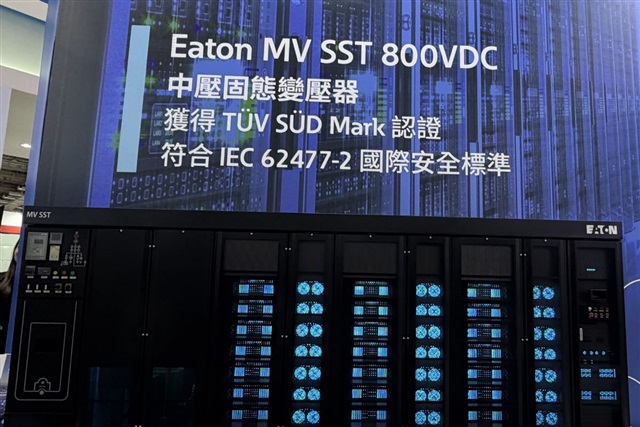
Eaton is expanding beyond traditional power management into modular power deployment, next-generation DC conve…
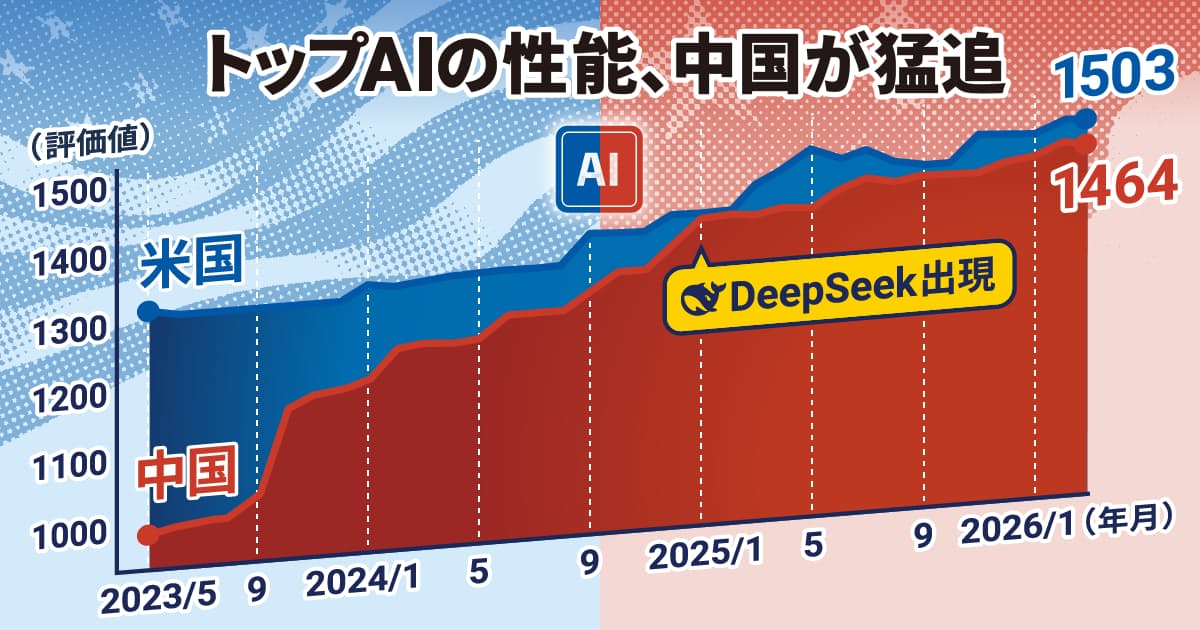
Stanford University reports that the performance gap between top US and Chinese AI models has narrowed sharply…
A new lawsuit alleges Meta turned footage captured through its AI-powered Meta Glasses into training data for…

Marvell Technology stock rose 6% to $220.54 on Friday, while Qualcomm fell 0.33% to $168.01