
Dr. Jan Liphardt, a researcher in physical AI systems, emphasized that robots built from modular AI components (smaller, specialized decision-making units rather than one monolithic system) perform more reliably and can be audited for safety — a critical shift as companies like Tesla and Boston Dynamics prepare to deploy humanoid robots in factories and warehouses alongside human workers.
Summaries like this, in your inbox every morning.
Pick your industry and the AI tools you use, and get news related to your work every day.
Free · 30 seconds with Google · unsubscribe anytimeWhat is AIToday? →
Ask AI anything about this article. The AI reads this article, earlier AIToday articles, and Wikipedia, and cites its sources. Q&As are published on this page for other readers too.
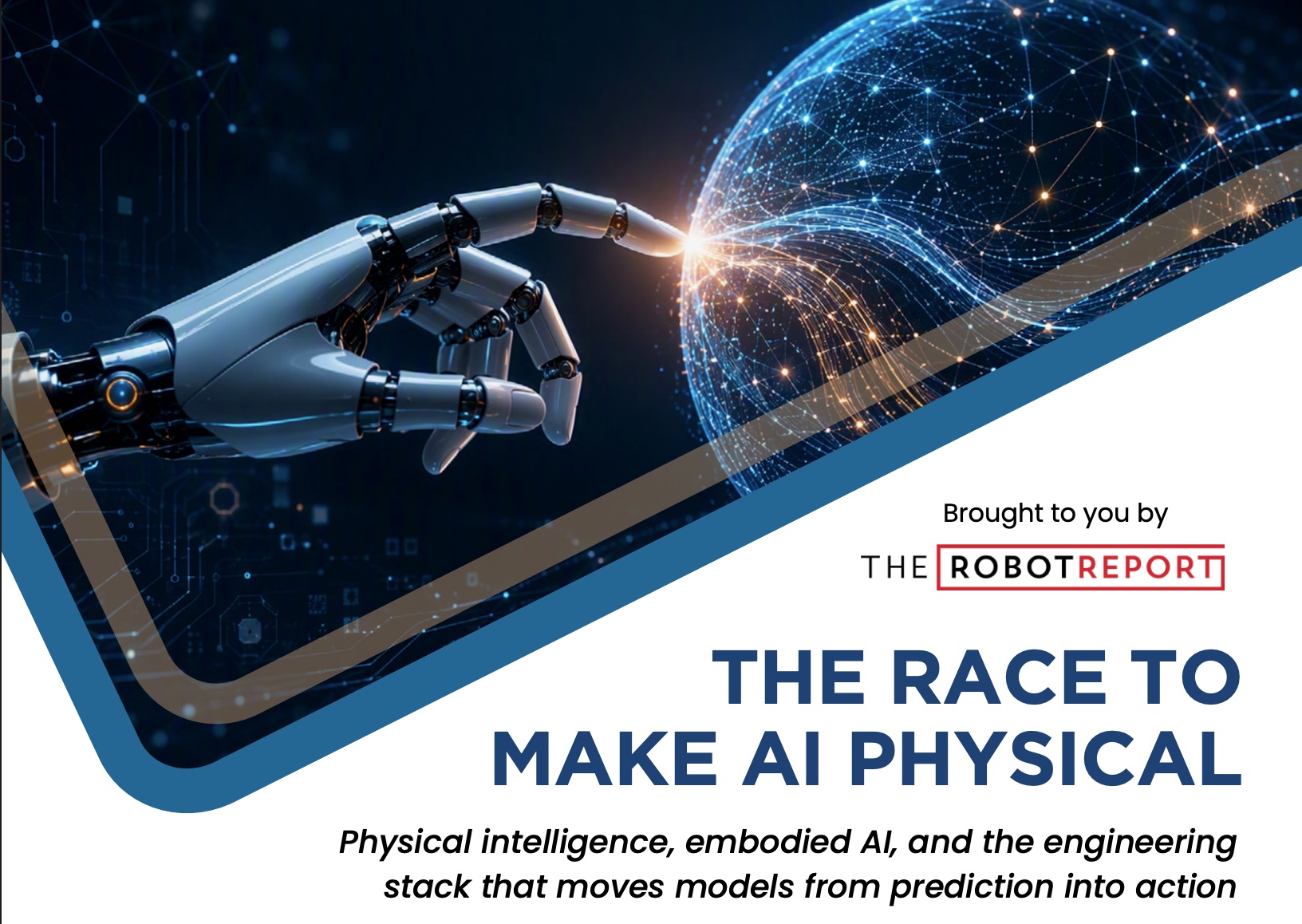
Analog Devices Inc. released a whitepaper on the race to physical AI, arguing that success requires advances a…
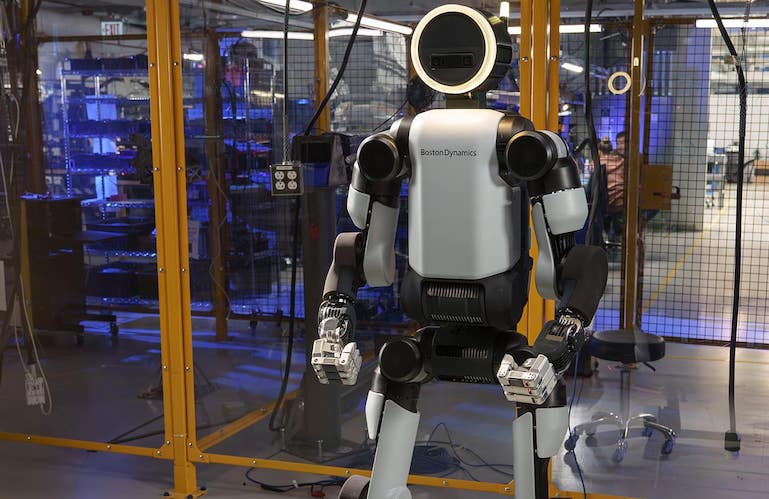
Boston Dynamics' Atlas, now all-electric and running on NVIDIA chips, autonomously sorts roof racks at Hyundai…
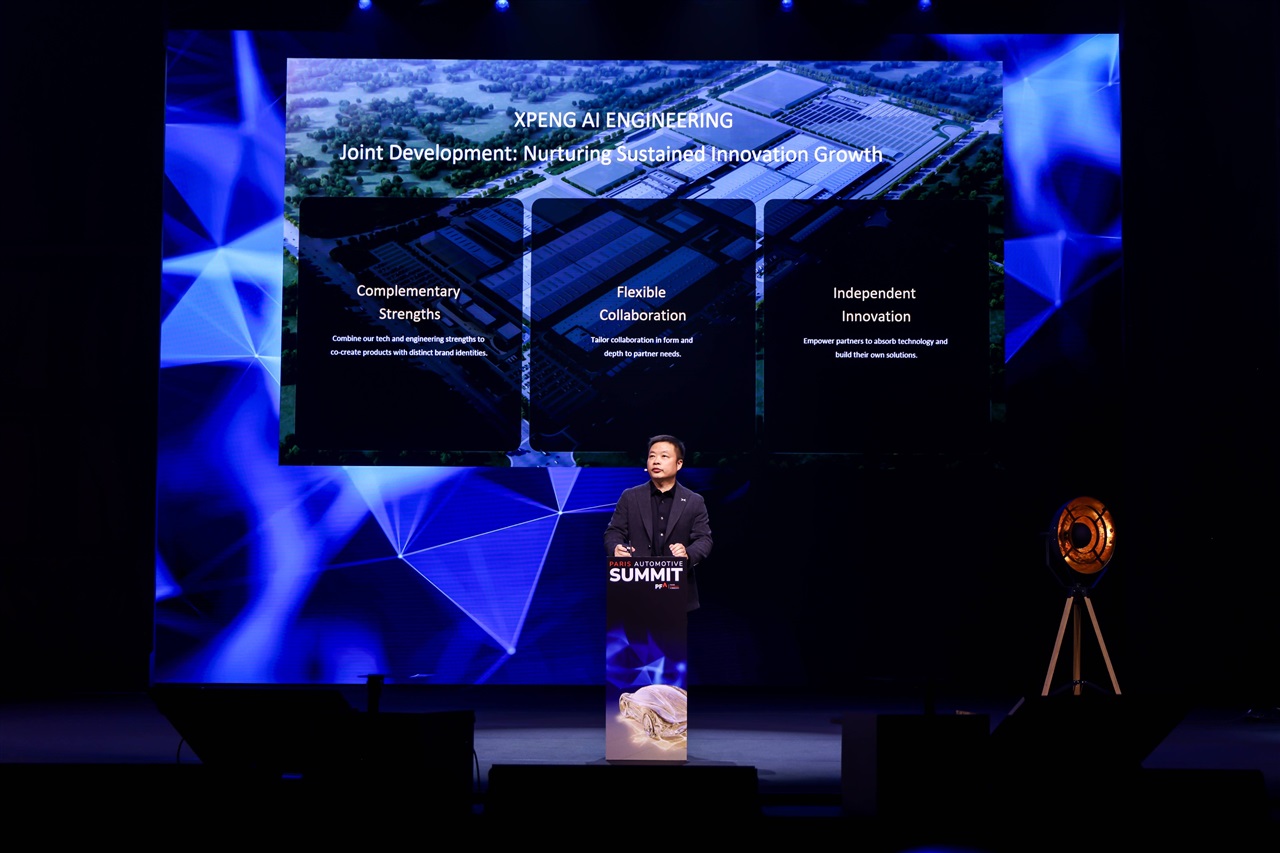
XPeng appeared at the Paris Automotive Summit, presenting not only automotive expertise but a broader technolo…
AIBotics completed its acquisition of NovaCore Labs' operating assets from PlayJamaica Limited, gaining 10 ser…

In an internal test, Google DeepMind robotics researchers instructed Gemini 4 Argon to watch a video of a huma…
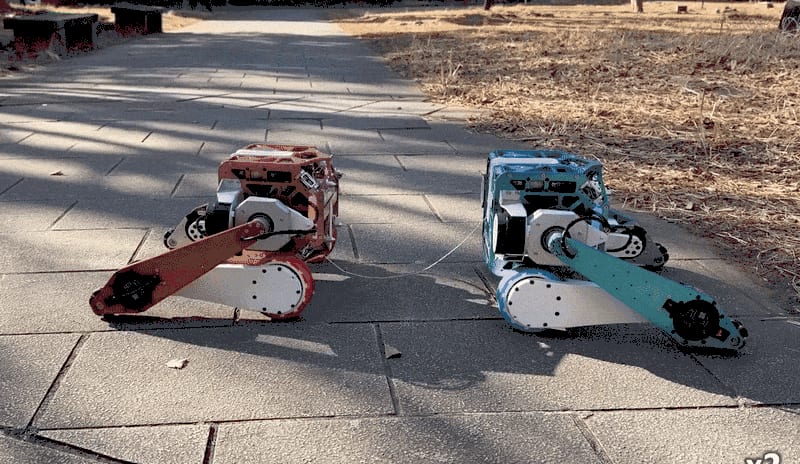
Amulya Vishwanath, who spent seven years leading product marketing for Nvidia's robotics platforms, says robot…