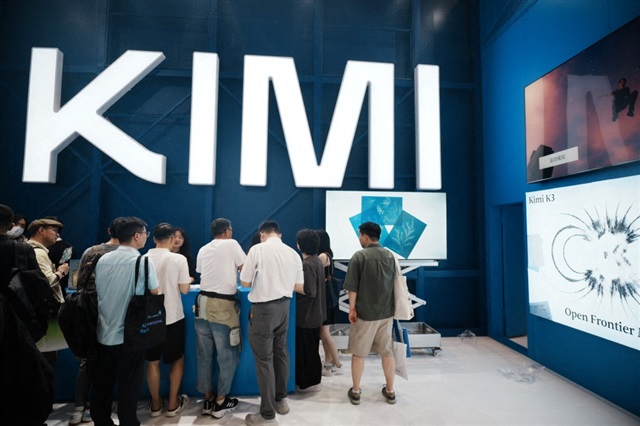
Beijing-based Moonshot AI is pursuing a Hong Kong listing as its Kimi K3 model narrows performance gaps with leading international AI systems. This move marks a shift by Chinese AI makers into capital markets and has implications for global AI valuations, the structure of the open-weight debate, and Nvidia's exposure to Chinese customers operating under advanced chip export restrictions.
Summaries like this, in your inbox every morning.
Sign up free →What happened
Beijing-based Moonshot AI is reportedly pursuing a Hong Kong listing, signaling an intensifying capital markets push by Chinese AI frontier-model makers as the company's Kimi K3 model closes performance gaps with international competitors.
Why it matters
The move reflects China's shift from pure model development into venture-backed scale and public markets—a dynamic that affects global AI valuations, the open-weight versus proprietary debate, and Nvidia's exposure to Chinese customers and restrictions on advanced chip sales to the region.
What to watch
Whether Moonshot's listing succeeds and at what valuation, and how the Chinese frontier-model race translates into market competition for US-based AI leaders like OpenAI and Anthropic.
Moonshot AI, a Beijing-based artificial intelligence company, is reportedly eyeing a listing in Hong Kong, according to reporting that signals a significant shift in how Chinese frontier-model developers are funding their growth. The company is building Kimi K3, a frontier AI model that is narrowing the performance gap between Chinese and international AI systems—a technical achievement that has caught the attention of venture investors and, now, capital markets participants. The reported listing push reflects a broader transition in China's AI strategy: the country's frontier-model race is no longer confined to private equity and state funding, but is spilling over into public markets, where valuations and investor appetite will determine how much capital flows into Chinese AI development. This move has several interconnected consequences. First, it introduces new benchmarks for global AI valuations: as Chinese models like Kimi K3 close performance gaps with US-based systems, investors will compare Moonshot's valuation to that of OpenAI, Anthropic, and other US frontier labs, potentially reshaping how the market prices AI leadership and frontier capability. Second, it feeds into the ongoing open-weight versus proprietary model debate: a successful Hong Kong listing may incentivize Chinese makers to favor open-weight models as a path to rapid user adoption and scale, since public markets reward reach and network effects. Third, and directly for Nvidia, the company's Chinese customers—including those building on frontier models like Kimi K3—remain crucial to its business, but face headwinds from US export controls on advanced semiconductors, meaning Moonshot's growth will depend on navigating both technical progress and geopolitical constraints on chip supply.
Moonshot AI's reported push toward a Hong Kong listing marks a turning point in how Chinese frontier-model makers are pursuing growth and capital. Rather than remaining private or relying solely on domestic venture funding, the company is moving into public markets—a step that signals confidence in its technical progress and commercial viability. The timing is significant: as Kimi K3 narrows performance gaps with international models, Chinese AI makers are transitioning from pure R&D into the venture-and-IPO playbook familiar to US tech giants. This capital markets move has ripple effects. For global AI valuations, it introduces a new competitive benchmark for investors assessing how quickly Chinese models close the gap with OpenAI, Anthropic, and other US-based frontier labs. For the open-weight versus proprietary debate, a successful Chinese IPO may shift the balance of incentives—public markets reward user reach and revenue, which could push more Chinese makers toward open-weight models as a scaling strategy. Finally, for Nvidia, Chinese customers building on frontier models like Kimi K3 remain a key market, but one constrained by US export controls on advanced chips, meaning Moonshot's growth trajectory depends on navigating both technical innovation and geopolitical supply limits.
AI-summarized, only the topics you pick — one digest a day via Email, Slack, or Discord.
Free · takes 30 seconds · unsubscribe anytime
No comments yet. Be the first to share your thoughts!
Log in to join the discussion


Get curated AI news from 200+ sources delivered daily to your inbox. Free to use.
Get Started FreeFree · takes 30 seconds · unsubscribe anytime
1 minute a day. The AI essentials.
200+ sources · Email / LINE / Slack
