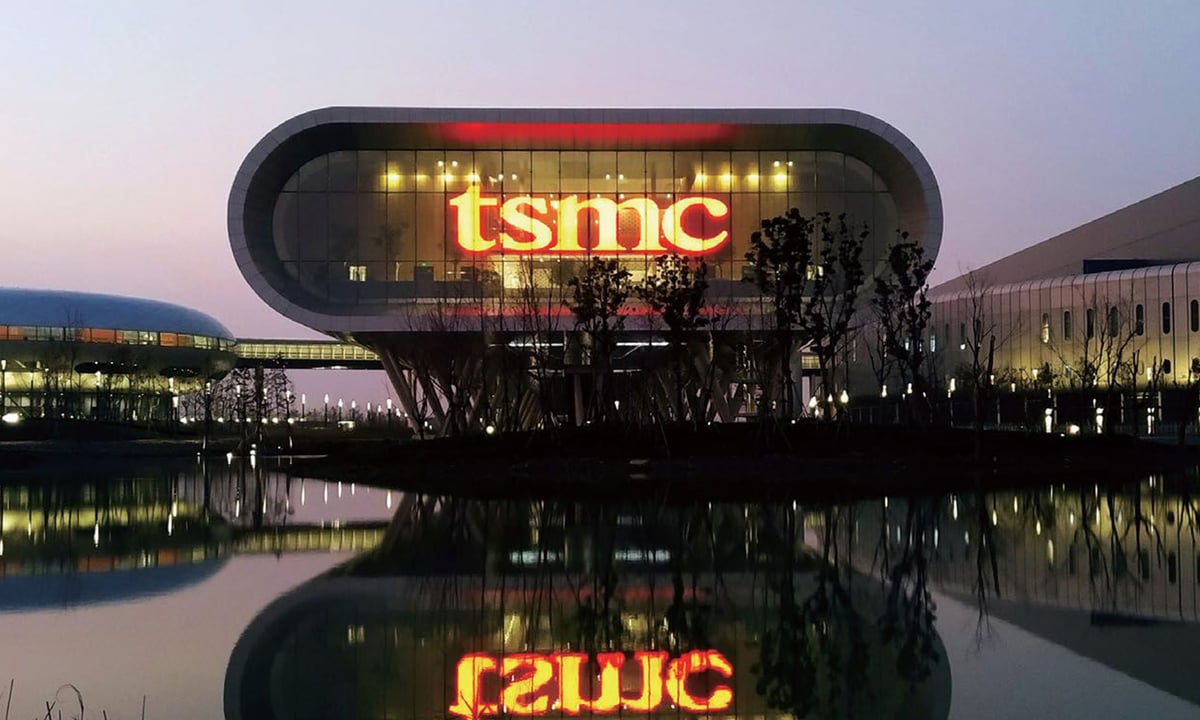
TSMC, the world's largest semiconductor manufacturer, plans to raise wafer prices in 2027. The move reflects confidence that demand for AI chips will remain robust and provides Intel and other chipmakers greater flexibility to raise their own prices rather than being forced into a race to the bottom.
Summaries like this, in your inbox every morning.
Sign up free →What happened
TSMC has announced plans to increase wafer prices in 2027, signaling ongoing confidence in strong demand for AI chips.
Why it matters
The move gives Intel and other semiconductor makers more room to adjust their own pricing strategies, reducing competitive pricing pressure they might otherwise face in the AI chip market.
What to watch
The industry will monitor whether competitors follow TSMC's lead on pricing or maintain current rates, and how demand for AI chips actually performs through 2027.
TSMC's disclosure of planned 2027 wafer price increases reflects the company's assessment of the semiconductor landscape over the next three years. The price hike is framed as evidence that AI chip demand remains robust, reinforcing market confidence that the current wave of artificial intelligence investment will not collapse before 2027. This move has broader implications for Intel and other semiconductor rivals. Historically, competitive intensity in chipmaking has forced companies into pricing pressure—each player trying to undercut others to win volume. By raising its own prices, TSMC effectively narrows the room for aggressive undercutting. Intel and peers now have greater flexibility to adjust their pricing without losing perceived position to TSMC, since they will be moving in the same direction as the market leader. This shift in pricing dynamics could allow competitors to shore up margins that would otherwise be eroded by the pressure to compete on price alone.
TSMC's announcement of 2027 wafer price increases carries dual significance for the semiconductor industry. First, it demonstrates the company's conviction that AI chip demand will remain strong through at least the next two years—a bullish signal from the world's dominant foundry at a time when questions persist about whether current AI investment will sustain. Second, the move reshapes the competitive pricing dynamics that have historically constrained margins. By raising its own prices, TSMC creates what amounts to a pricing umbrella for competitors, particularly Intel, which has faced intense price-based competition in the chip market. When the largest player moves upward on price, it becomes harder for smaller or competing firms to undercut through pricing alone, giving them room to maintain or increase margins rather than defaulting to discounting.
AI-summarized, only the topics you pick — one digest a day via Email, Slack, or Discord.
Free · takes 30 seconds · unsubscribe anytime
No comments yet. Be the first to share your thoughts!
Log in to join the discussion


Get curated AI news from 200+ sources delivered daily to your inbox. Free to use.
Get Started FreeFree · takes 30 seconds · unsubscribe anytime
1 minute a day. The AI essentials.
200+ sources · Email / LINE / Slack
