What happened
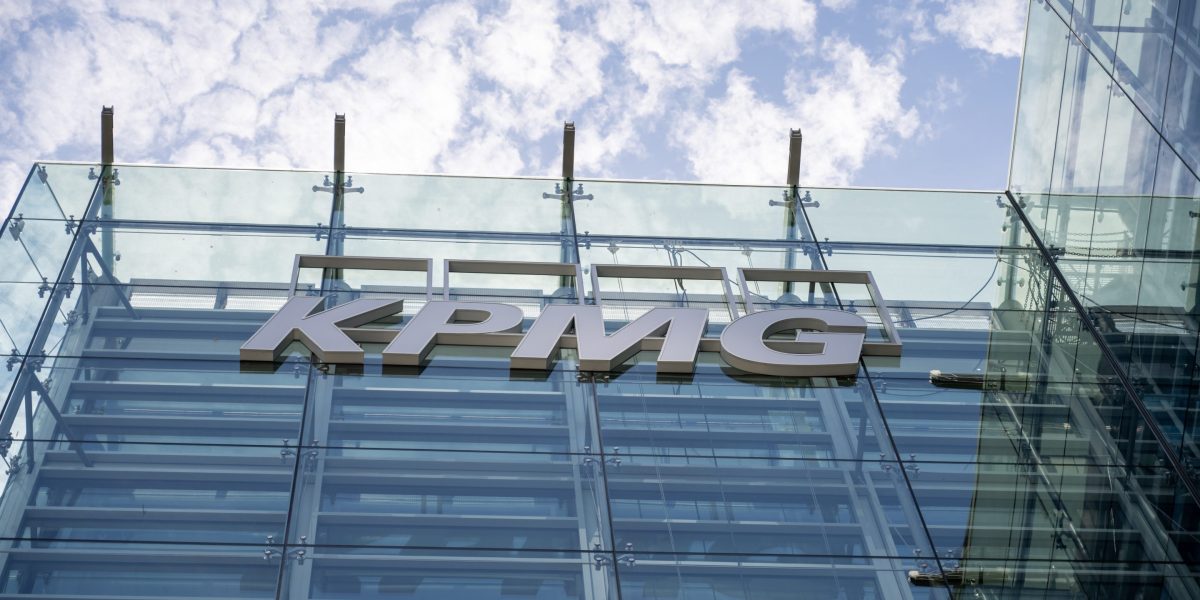
KPMG's new Client Technology & Innovation (CT&I) group, announced Sept. 22 and effective Oct. 1, folds AI, innovation and ecosystem work into one unit led by Todd Lohr.
Why it matters
The group runs an internal venture studio incubating "edge disruption plays" aimed at KPMG's own core service lines — a structural bet, not a technology upgrade.
What to watch
Whether the studio produces the billion-dollar company Lohr says he hopes for; watch the rotating founders he plans to move through the "edge companies" as a test of the model.
WHO IT HITSKPMG's consulting and advisory staff, particularly rising employees who may be rotated through the new 'edge companies' as founders and operators, face a changed career path inside the firm. KPMG's clients, including those with existing Google Cloud, Microsoft, OpenAI and Databricks tie-ups and the Anthropic alliance, may see new commercial and deal structures.
Summaries like this, in your inbox every morning.
The reorganization arrives against an uncomfortable backdrop for KPMG. In June 2026, AI-detection firm GPTZero found that a flagship KPMG International report cited case studies involving UBS, Swiss Federal Railways and the U.K.'s National Health Service that simply did not exist — 40 of the report's 45 citations were later found to be fabricated, and roughly half its factual claims were either false or misattributed. GPTZero founder Edward Tian has since documented the same pattern at EY, Deloitte Australia and PwC. KPMG's response has been partly technological: Lohr revealed the firm recently launched an AI tool called Hawk that assesses AI hallucinations across its content, described as a sort of in-house GPTZero.
Lohr's own framing of the new unit is deliberately cultural rather than technical. He was employee No. 3 at Confiance, a financial-services consulting start-up he co-founded in 2008, and said he is taking "design cues from Silicon Valley incubators." The four pillars of CT&I stretch from products and platforms strategy to commercial infrastructure to firmwide AI and data strategy to an innovation/incubation arm. Each "edge company" carries multiple exit paths — being folded back into KPMG's core business, spun out with outside capital, or run as a standalone joint venture with a technology partner.
Underneath the structure sits an unresolved question about talent and accountability. Lohr said KPMG has spent years educating its management committee and board on disruption, including management committee meetings held in Silicon Valley with frontier AI labs; the next one is in the next few weeks. His stated test is whether KPMG can carry its own ideas through a commercial lens, something he concedes the firm has not been as good at. Whether the incubator changes that — or simply adds another layer to a century-old partnership model — may depend on whether the 'edge companies' attract outside capital and whether the rotating founders return as, in his words, better accountants and consultants.
For example, today's edition would include:
AI-summarized, only the topics you pick — one digest a day via Email, LINE, or Slack.
Free · 30 seconds with Google · unsubscribe anytimeWhat is AIToday? →
Ask AI anything about this article. Q&As are published on this page for other readers too.

