
As AI provides instant information, human cognition becomes the new competitive advantage.
Judgment, creativity, and trust remain uniquely human.
Leaders must nurture these capabilities or risk weakening them through over-reliance on AI.
What happened
PMI's Chief Global Communications Officer, Dr. Moira Gilchrist, argues that as AI makes information and knowledge instantly accessible, human cognition—judgment, creativity, critical thinking, adaptability, empathy, and trust—becomes more valuable, not less.
Why it matters
Gilchrist warns that if leaders and employees become passive and outsource all thinking to AI, they risk weakening the very capabilities that create value. She emphasizes that experience builds intuition, and good judgment is developed through difficult decisions and reflection, not just access to AI-generated insights.
What to watch
Gilchrist says trust may become the defining differentiator in an era of synthetic content, with human connection, credibility, and accountability as key sources. She also advises leaders to make their reasoning visible to help younger colleagues build judgment faster.
Ask the AI about this article →
Dr. Moira Gilchrist, Chief Global Communications Officer at Philip Morris International, frames the rise of AI not as a threat to human relevance but as a shift that makes uniquely human capabilities more valuable. Her argument rests on a distinction: AI can process, predict, and generate at remarkable speed, but deciding what matters, what can be trusted, and what action to take remains fundamentally human. This perspective comes from PMI's own transformation journey, which she describes as a human, not just technological, challenge.
She also addresses practical workplace concerns, such as the fear of cognitive decline and the challenge of building judgment in younger colleagues. Gilchrist compares human cognition to a muscle, warning that outsourcing all thinking to AI risks weakening our abilities. She suggests that leaders can help by making their reasoning visible, rather than presenting judgment as instinct, which she says is actually the product of years of accumulated experience.
Finally, Gilchrist touches on the issue of trust in an era of synthetic content. She argues that trust depends on human connection, credibility, and accountability—qualities that do not emerge from technology alone. The article does not specify PMI's specific initiatives or any data, but it positions human cognition as a central theme in the company's ongoing exploration of AI's impact on work and society.
For example, today's edition would include:
AI-summarized, only the topics you pick — one digest a day via Email, Slack, or Discord.
Free · takes 30 seconds · unsubscribe anytimeWhat is AIToday? →
Ask AI anything about this article. Q&As are published on this page for other readers too.
DirectCloud will start providing 'SmartFiling AI Powered by DirectCloud' to Canon Marketing Japan (Canon MJ) o…
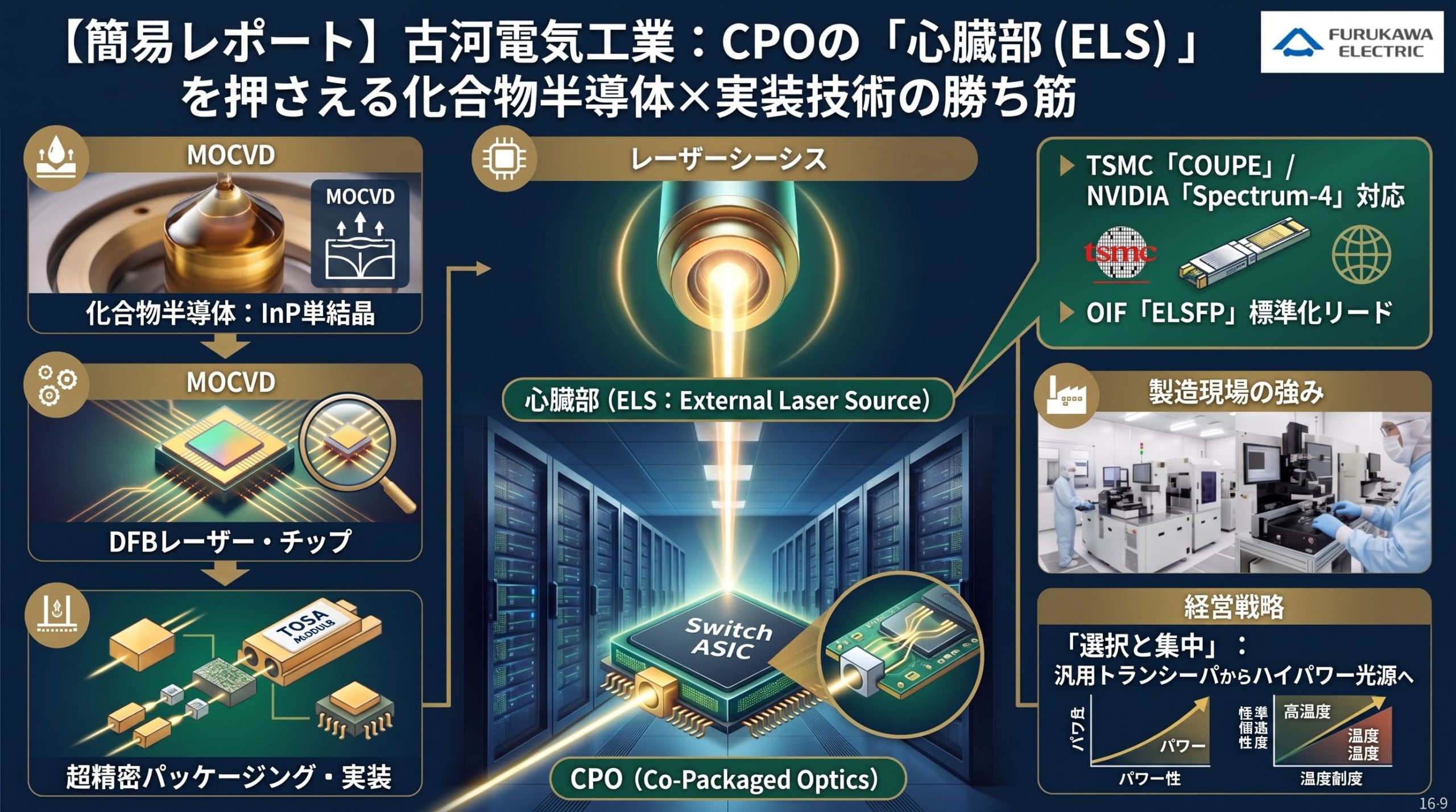
Furukawa Electric is a top supplier of external laser sources (ELS) for AI data center CPO switches, with high…
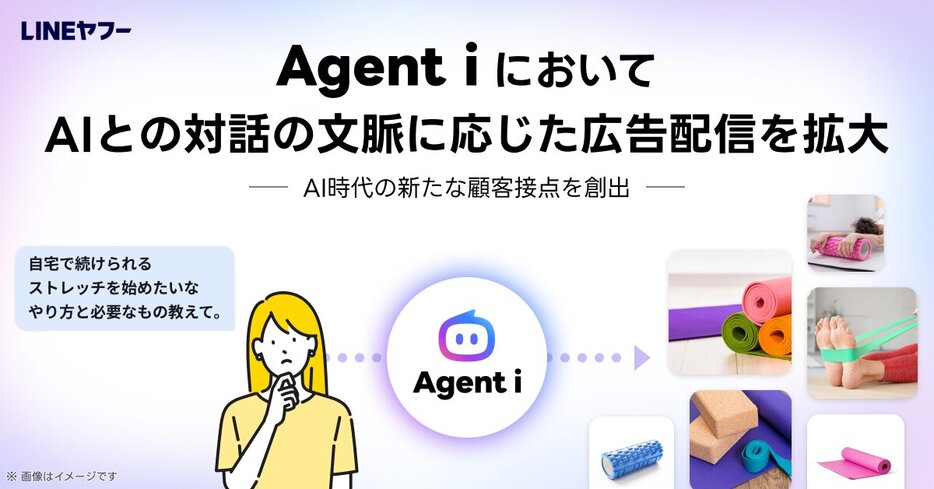
LINE Yahoo is expanding ad delivery using its AI agent 'Agent i'
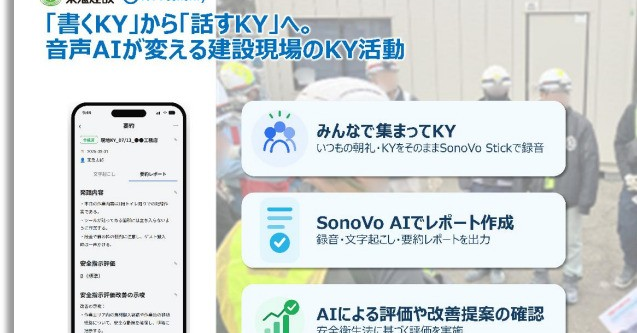
Tokyu Construction announced on August 31, 2026, that it will use NTT ConoSurf's voice AI and generative AI to…
Mitsubishi Heavy Industries and NEC announced on the 2nd that they will strengthen cooperation in the defense…
Sony Group and 35 other companies have filed a lawsuit against Anthropic in the U.S., according to the article…