What happened
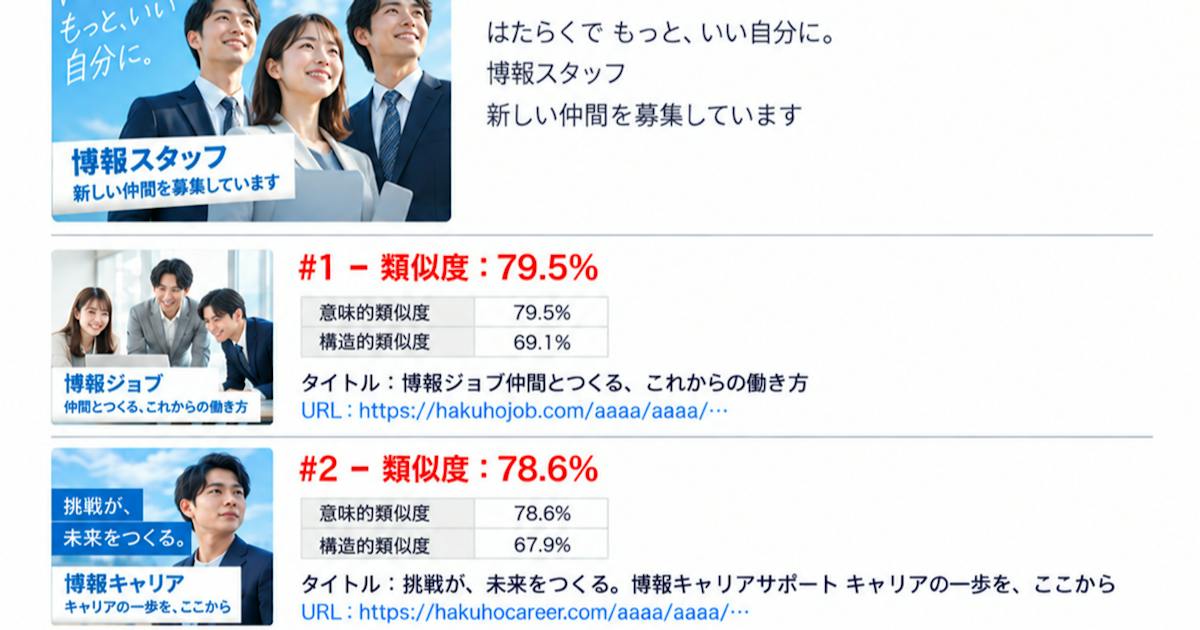
On October 19, Hakuhodo said it will offer its 画像類似度チェッカー to companies, automatically detecting and displaying highly similar images on the web for any image a user selects.
Why it matters
Checking AI-generated images against existing works by hand is laborious and judgments vary by person, so a scored, listable result could make that review more consistent.
WHO IT HITSMarketing and legal-review teams at companies producing AI-generated ad creative are the target users, since the tool scores similarity across meaning, structure and other dimensions and counts images above a set threshold as 警告画像.
Summaries like this, in your inbox every morning.
Hakuhodo's checker addresses a workflow problem rather than a legal rule: copyright-protected text and images can be the basis of infringement claims when similarity is found, yet manually comparing AI-generated images with existing works takes effort and produces uneven judgments across staff. By scoring similarity across meaning, structure and other dimensions and by surfacing the number of 警告画像 above a threshold, the tool turns an ad-hoc visual review into a listable check.
The commercial opening came from demand rather than a planned launch. The checker was already in use inside Hakuhodo, and requests from client companies led to the decision to offer it externally. The version being released adds usage-history monitoring, a change the company frames around AI governance, suggesting that record-keeping is part of what corporate buyers asked for.
Pick your industry and the AI tools you use, and get news related to your work every day.
Free · 30 seconds with Google · unsubscribe anytimeWhat is AIToday? →
Ask AI anything about this article. The AI reads this article, earlier AIToday articles, and Wikipedia, and cites its sources. Q&As are published on this page for other readers too.
Testing Pi 0.84.2 with claude-sonnet-4-5, a hook returning { block: true, reason } on rm produced a normal too…

Anthropic is floating a draft bill that blocks an AI model's release only when independent evaluators find a f…

Clem Delangue, co-founder and CEO of Hugging Face, said the Netflix documentary 'AI Gone Rogue' is inaccurate…
In a lengthy X post on Tuesday, Hugging Face CEO Clément Delangue criticized Netflix's documentary "AI Gone Wi…
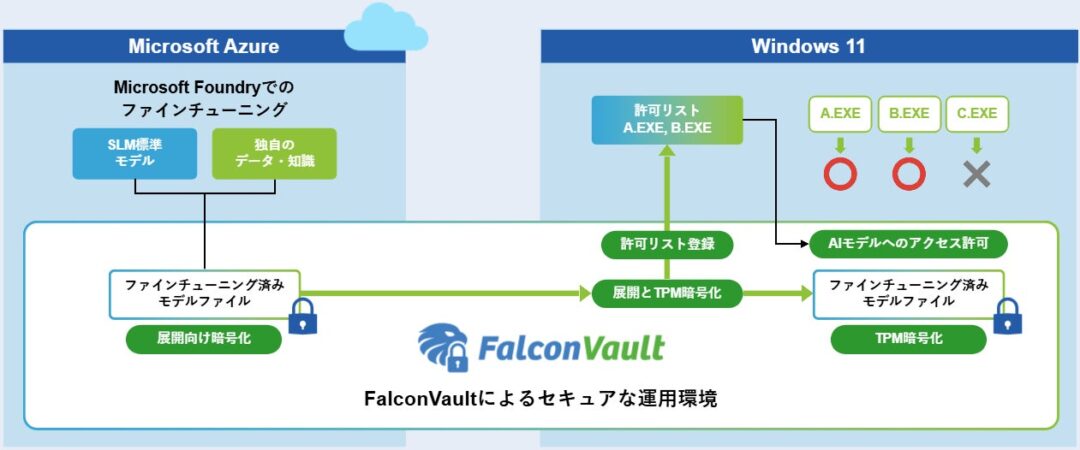
Tokyo Electron Device has begun sales of FalconVault, a product designed to protect edge AI models
The Wall Street Journal reported on September 28 that OpenAI pulled the release of GPT-6.1 Astra, which had be…