What happened
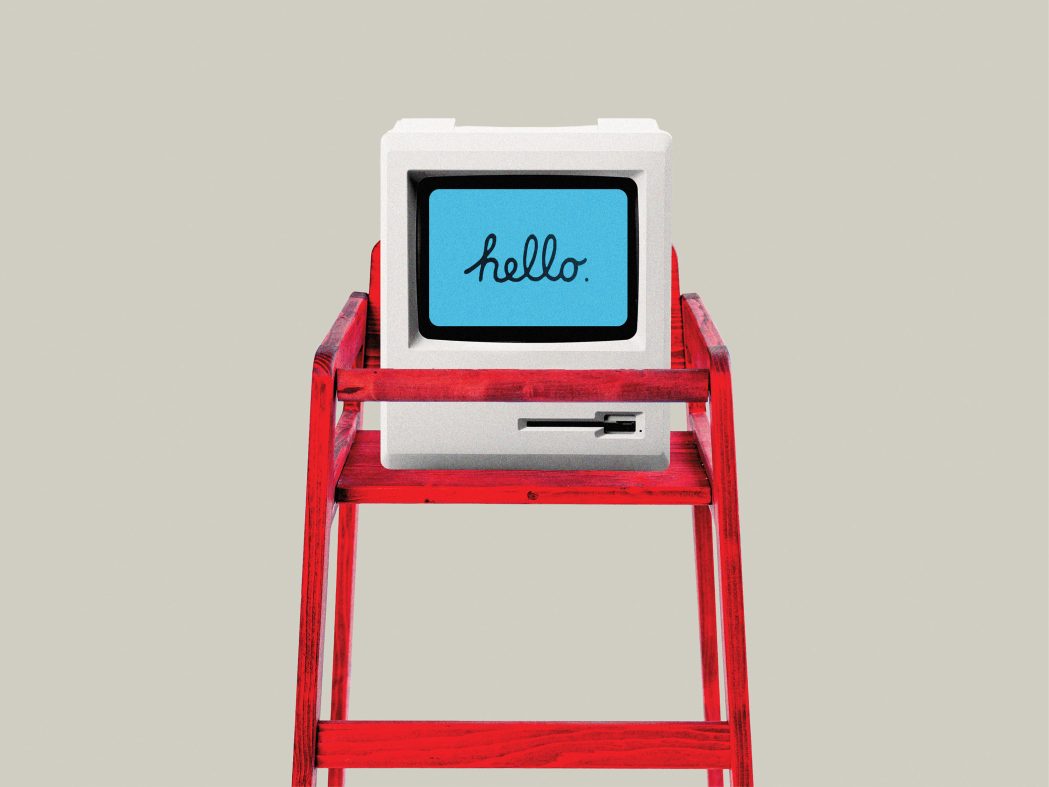
A new analysis highlights the 'data efficiency gap'—children learn language with far less data than AI models. For example, an average child hears about 100 million words by age 10, while LLMs like Llama 3.1 process 15 trillion tokens.
Why it matters
This gap poses a challenge for AI designers as readily available internet data may run out by the early 2030s. Understanding how children learn could lead to more data-efficient AI models, useful for video-based learning or chatbots for minority language communities.
What to watch
Researchers are reverse-engineering children's learning to improve AI. This could also settle long-standing questions about whether language is innate or learned purely from experience.
Summaries like this, in your inbox every morning.
The article traces decades of AI language research, from Chomsky's theory of innate grammar to the rise of statistical models like BERT and GPT-2. The shift to data-hungry neural networks solved fluency but at the cost of efficiency. This efficiency gap is not just academic; it has practical implications as data supply dwindles.
Researchers hope that studying child development can inspire new AI architectures that learn from less data, potentially enabling applications like video-based learning or supporting minority languages. The stakes include settling debates at the intersection of linguistics and cognitive science—questions about whether language is innate or learned, and how biology shapes our language abilities.
The commentary notes that while LLMs are powerful statistical learners, they are not brains. The challenge is to close the efficiency gap without sacrificing capability, a goal that remains unrealized but promising.
Pick your industry and the AI tools you use, and get news related to your work every day.
Free · 30 seconds with Google · unsubscribe anytimeWhat is AIToday? →
Ask AI anything about this article. The AI reads this article, earlier AIToday articles, and Wikipedia, and cites its sources. Q&As are published on this page for other readers too.
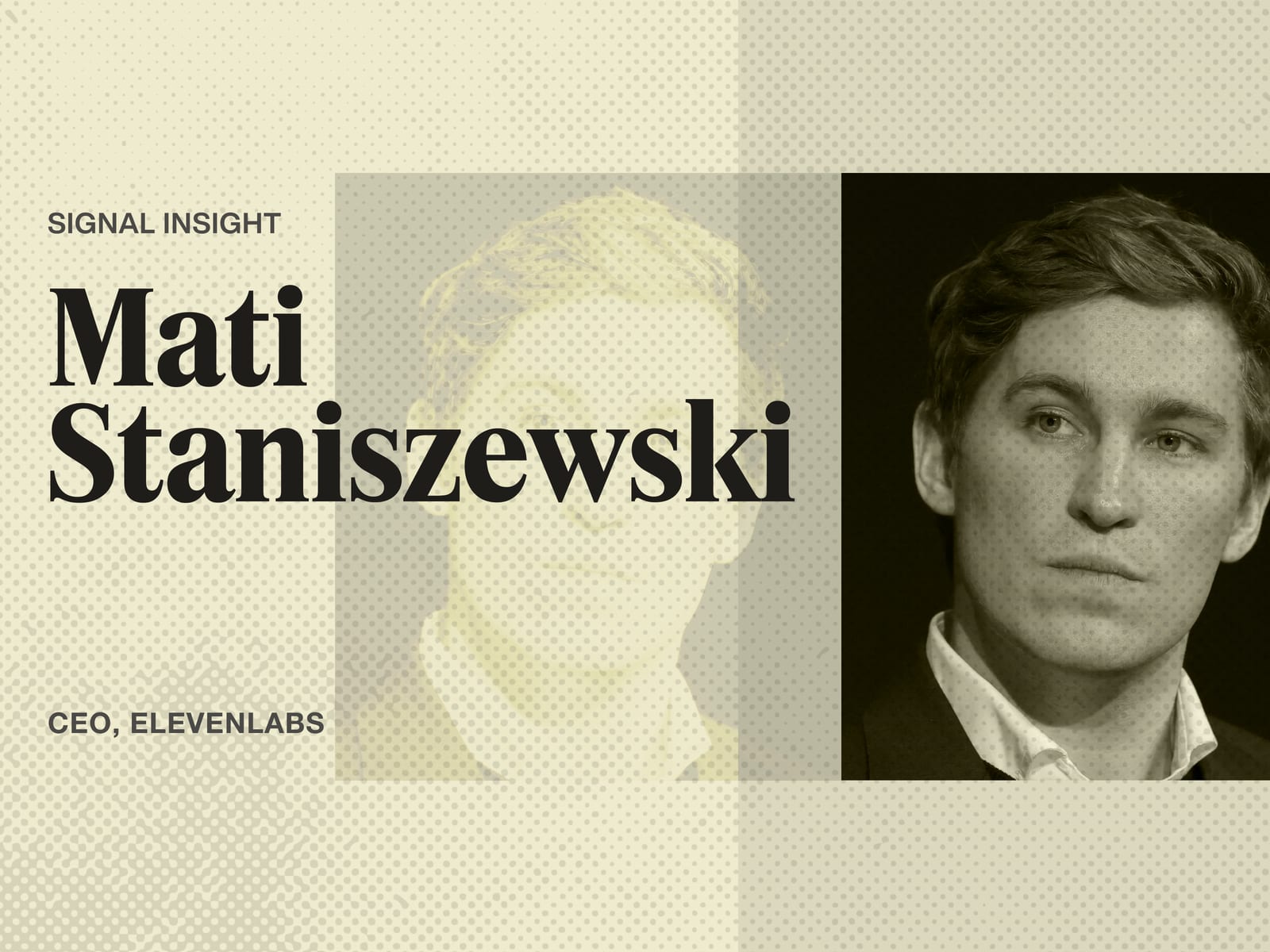
ElevenLabs completed a $300 million employee tender at a $22 billion valuation, and co-founder Mati Staniszews…
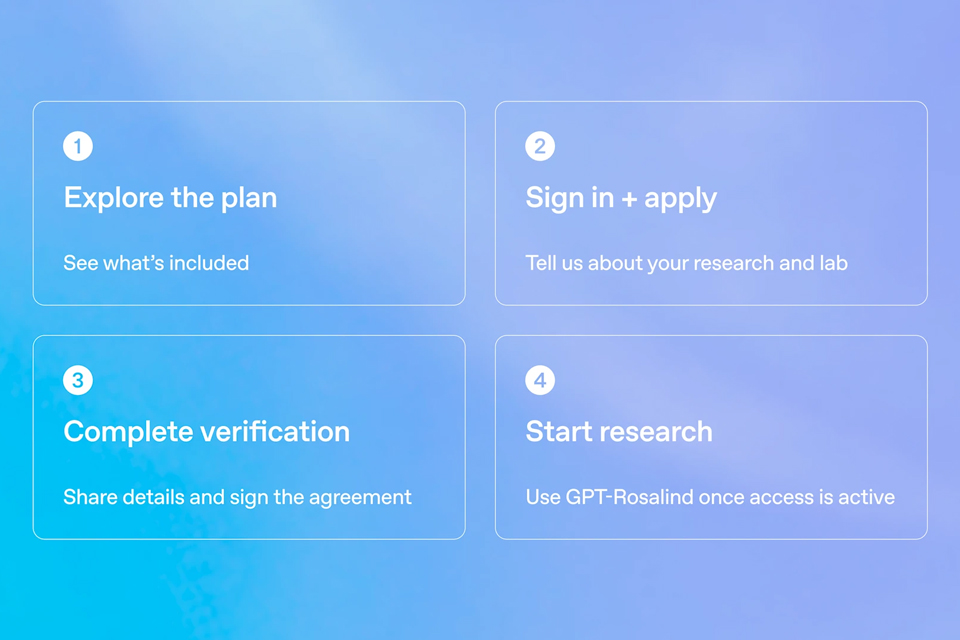
On October 15, OpenAI announced the Rosalind Academic Plan, giving approved US university labs free access to…
A Qiita article compared automated red-teaming methods for LLM apps — GCG, PAIR, and TAP — using mock implemen…

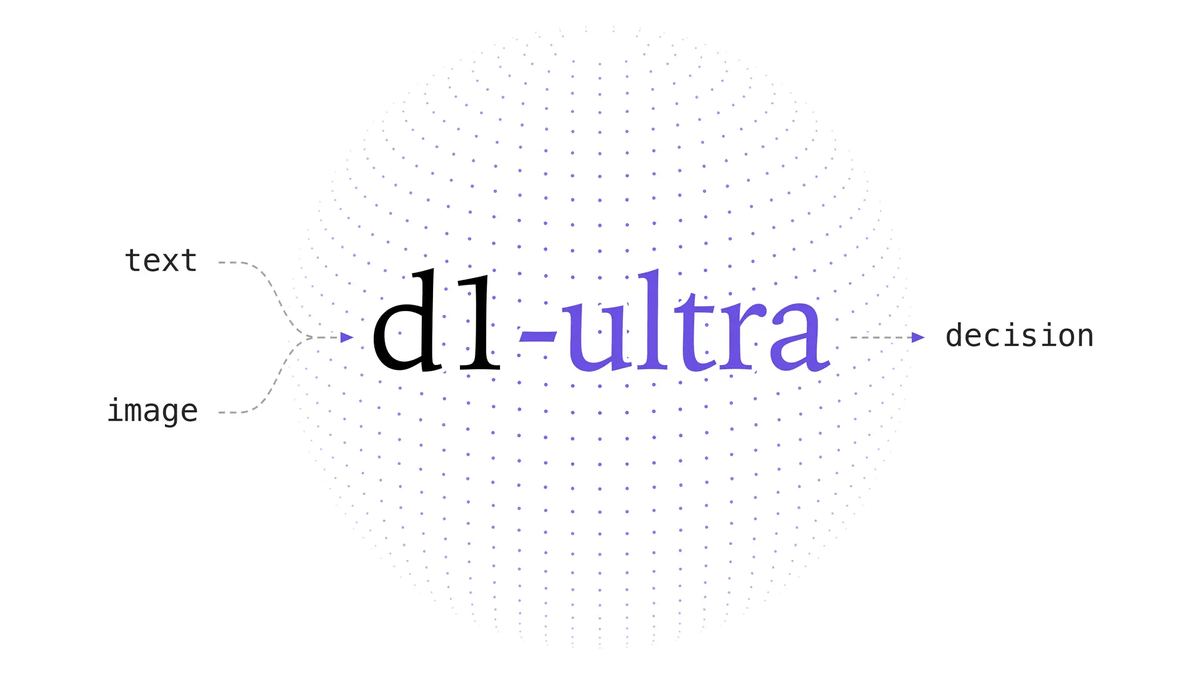
Liquid AI released d1-ultra on October 15, 2026, an upgraded open-weights decision model that averaged 76.7 ac…
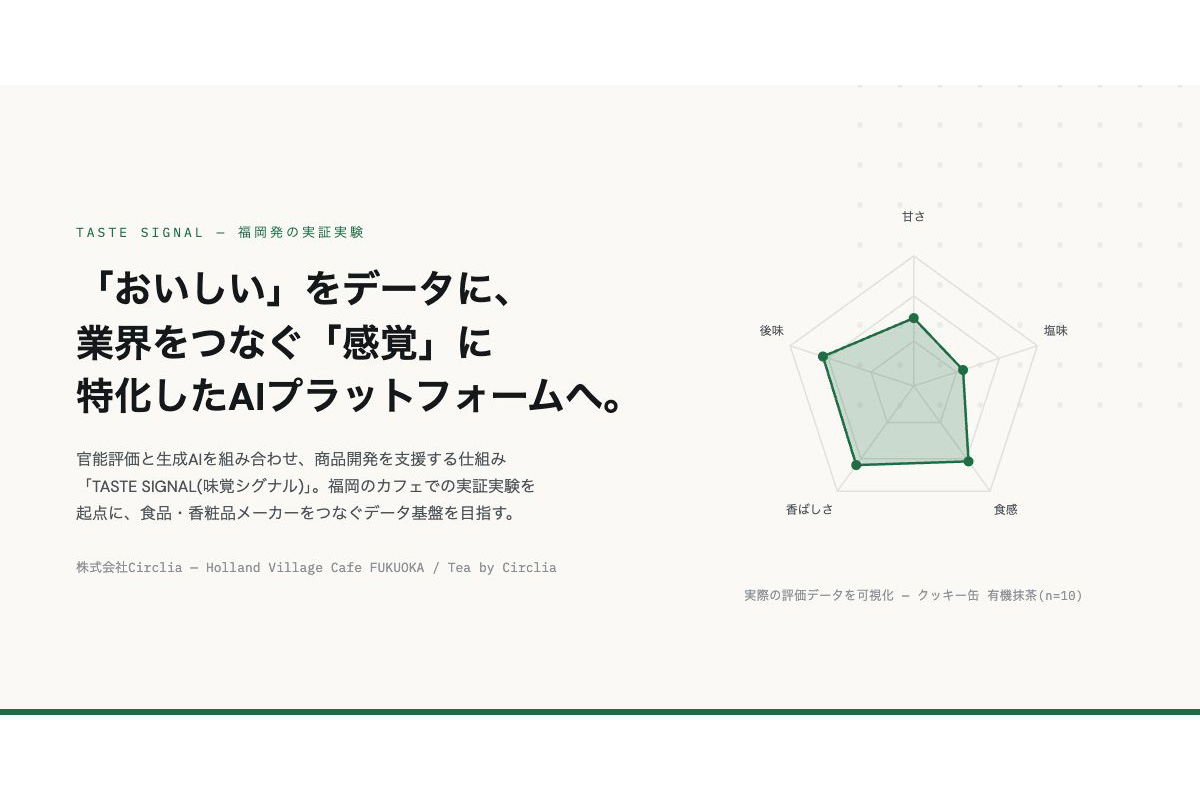
Circlia started a proof-of-concept for TASTE SIGNAL: visitors to Holland Village Cafe FUKUOKA taste cookies an…
In a webinar hosted by French Mathematical Society president Isabelle Gallagher, Fields Medal winner Hugo Dumi…

