What happened
Anthropic will offer a watermark detection API allowing third-party developers to identify text created by Claude. The watermark uses a variant of Google DeepMind's SynthID Text method published in Nature in 2024, subtly altering the randomness source during word selection to create a traceable pattern without affecting content quality or readability.
Why it matters
Anthropic is implementing watermarking to comply with the EU AI Act; the company signed the EU Code of Practice on transparency for AI-generated content in July 2026. Unlike external detection tools such as Pangram that scan for typical AI patterns, this watermark approach relies on keys only Anthropic possesses, potentially offering more reliable detection in practice.
What to watch
All Claude models released after August 2, 2025 support watermarking built-in; older models will receive the feature in the coming months. The watermark works less reliably on short texts, fact-heavy passages, code, and heavily rewritten material, and cannot distinguish whether Claude wrote an entire text or only edited it.
Summaries like this, in your inbox every morning.
Anthropic's decision to implement watermarking reflects regulatory pressure from the European Union rather than a purely technical initiative. By signing the EU Code of Practice on transparency for AI-generated content in July 2026 alongside roughly 190 other signatories, the company committed to making AI-generated content identifiable. Since no technical mechanism exists to limit the feature by geography, Anthropic is deploying watermarking globally—a rollout constraint that affects all users regardless of their location or regulatory jurisdiction.
The watermarking method itself builds on published research. Google DeepMind's SynthID Text approach, detailed in Nature in 2024, works by tweaking the randomness source during word selection, creating a pattern detectable by parties with access to Anthropic's verification keys. This represents a substantive departure from external detection services like Pangram, which operate without access to Anthropic's internal mechanisms and instead rely on pattern recognition of typical AI-text features. The watermark's reliance on proprietary keys potentially strengthens detection reliability but introduces a dependency on Anthropic's infrastructure and willingness to share access.
The feature's limitations are material. Watermarks degrade on short texts, fact-heavy passages where paraphrasing is limited, code, and heavily edited material—the very contexts where AI augmentation of human work is common. Anthropic acknowledges that the watermark cannot distinguish between full authorship by Claude and heavy editorial intervention by humans, nor can it identify outputs from competing models. These constraints suggest watermarking is a compliance tool rather than a comprehensive content-origin solution.
Pick your industry and the AI tools you use, and get news related to your work every day.
Free · 30 seconds with Google · unsubscribe anytimeWhat is AIToday? →
Ask AI anything about this article. The AI reads this article, earlier AIToday articles, and Wikipedia, and cites its sources. Q&As are published on this page for other readers too.
Taiwan is considering much stricter export controls on AI chip sales to China, part of a greater alignment wit…

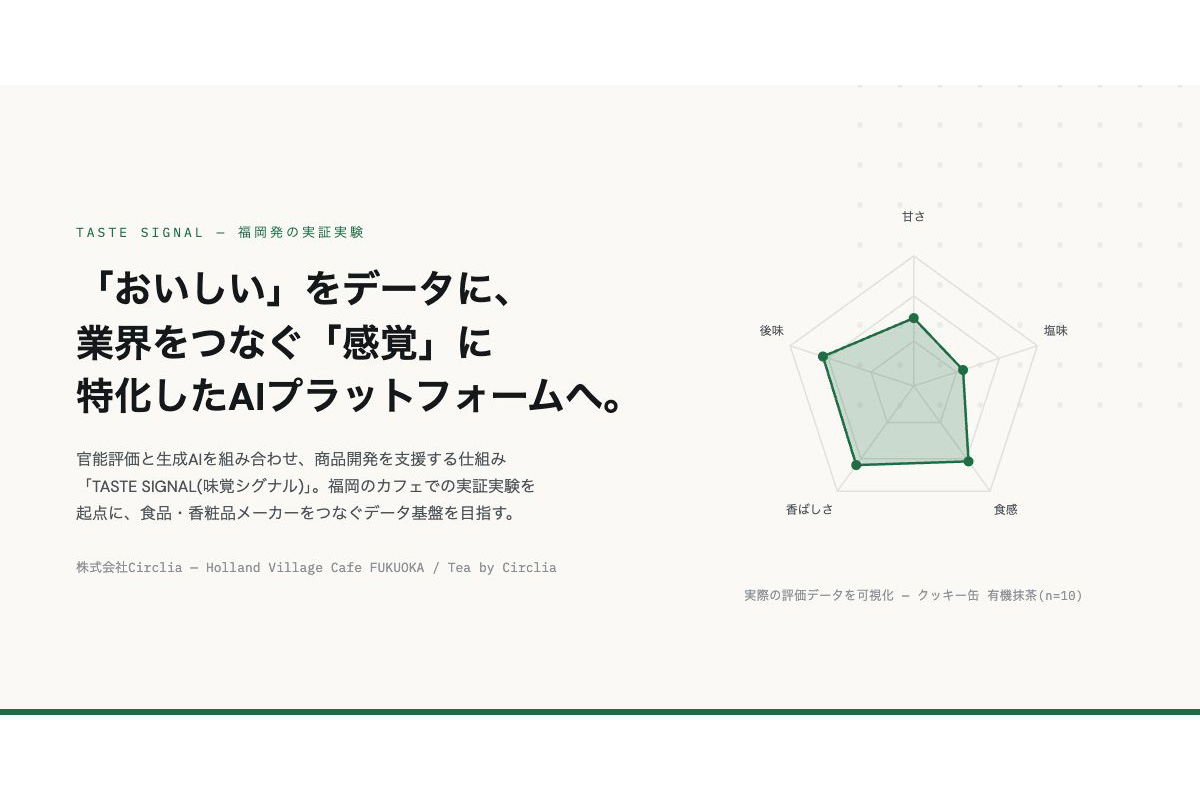
Circlia started a proof-of-concept for TASTE SIGNAL: visitors to Holland Village Cafe FUKUOKA taste cookies an…
In a webinar hosted by French Mathematical Society president Isabelle Gallagher, Fields Medal winner Hugo Dumi…

NVIDIA released Nemotron 3.5 Super VL, an open-weight model with 120 billion parameters that handles text, ima…
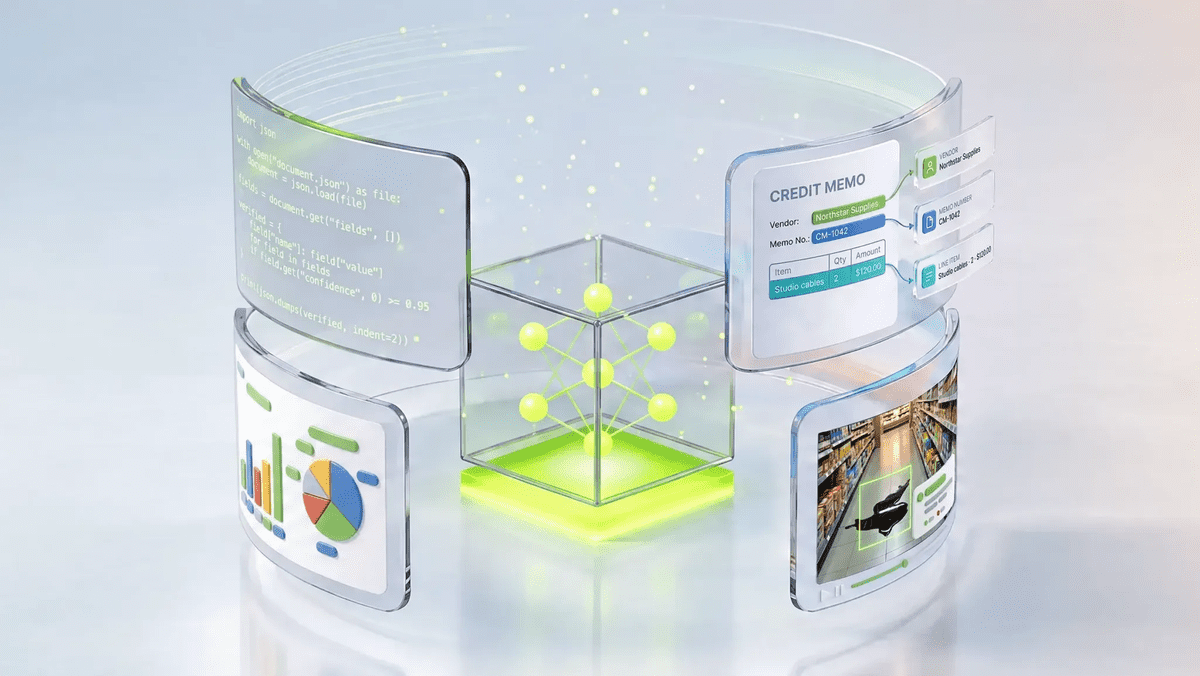
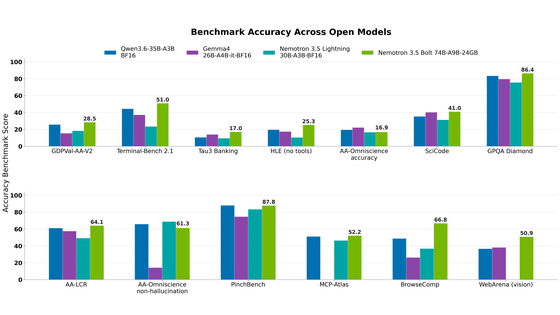
NVIDIA released Nemotron 3.5 Bolt 74B-A9B 24GB, an AI model for local agents that hits over 80 tokens per seco…
Anthropic said on October 15 it has started giving METR's six staff company devices, office space and access t…